☰
🛕 Lord Shiva | 📍 Thiruvasi, Tiruchirappalli, Tamil Nadu
Maatruraivaradheeswarar Temple at Thiruvasi is an ancient Shiva temple and one of the celebrated Paadal Petra Sthalams of Tamil Nadu. The presiding deity is worshipped as Maatruraivaradheeswarar, with other traditional names including Mattrurai Varadar, Sameevaneswarar and Brahmapureeswarar. The Goddess is worshipped as Balambikai or Balasoundari. The temple is situated in the historic Chola Nadu sacred landscape associated with the northern bank of the Kaveri and Kollidam region.
One of the greatest distinctions of the temple is its connection with two important Nayanmar saints, Thirugnanasambandar and Sundarar. Their Tevaram hymns place Thiruvasi firmly within the Tamil Shaiva devotional tradition. Thirugnanasambandar's hymn is recorded in the Tevaram, while Sundarar is particularly associated with the temple through the famous tradition of receiving gold from Shiva.
The name Maatruraivaradheeswarar is traditionally connected with Sundarar's story. According to the temple tradition, Sundarar needed gold to support devotees and asked Shiva for assistance. Shiva gave him gold, but Sundarar wanted to verify its quality. Two men appeared and helped him test the gold. They were later revealed to be Shiva and Vishnu. The story is interpreted in connection with the Tamil terms relating to testing or assessing the quality of gold and with Sundarar changing his words of complaint into words of praise. This is a sacred legend rather than an independently documented historical event.
Another important tradition concerns Thirugnanasambandar and a young girl suffering from Muyalagan, traditionally described in temple literature as a severe affliction. Sambandar is believed to have sung a hymn at the temple and the girl was restored. This story is one reason the temple has developed a reputation as a parihara sthalam among devotees seeking relief from illness and difficulties. Such healing claims belong to religious tradition and should not be treated as medical evidence.
The temple also contains the distinctive Sarpa Nataraja tradition. According to the sthala tradition, Shiva is associated with a Nataraja form connected with a serpent. This gives the temple an unusual place among Tamil Shiva temples and adds an important iconographic feature for visitors interested in Shaiva traditions.
The temple's natural setting is also significant. The sacred tree is traditionally identified as Vanni, while the temple's sacred-water traditions include Annamam Poigai and Silambaru/Panguni River. The Kollidam is closely associated with the wider sacred geography of the temple.
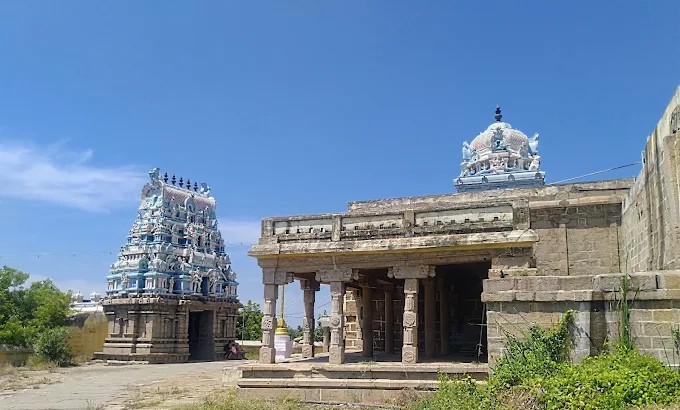
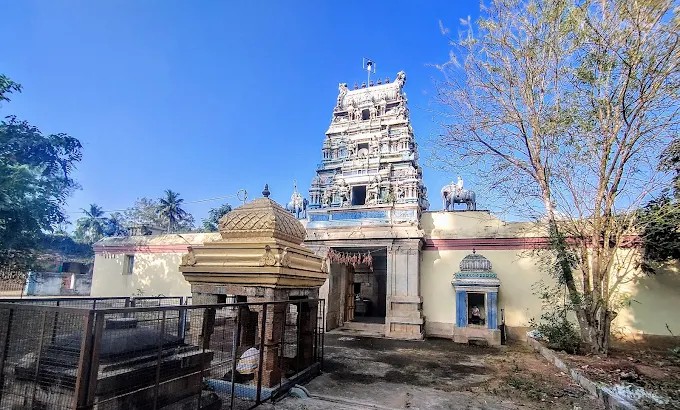
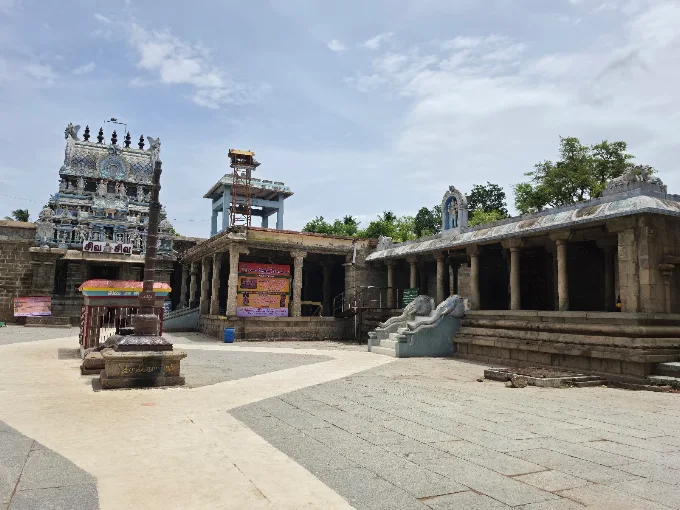
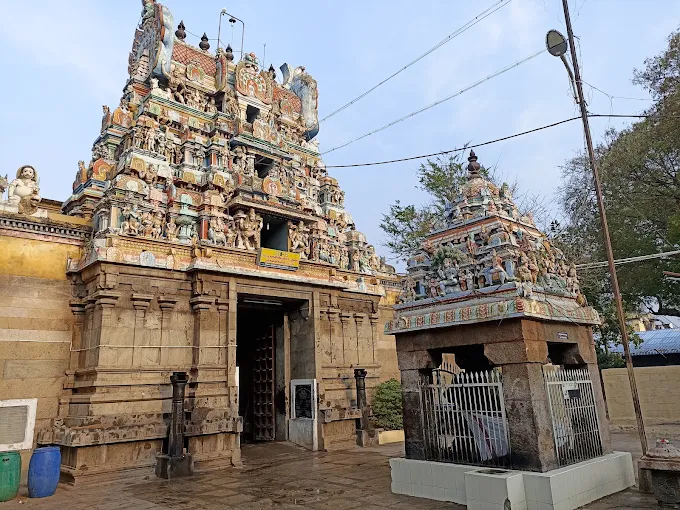
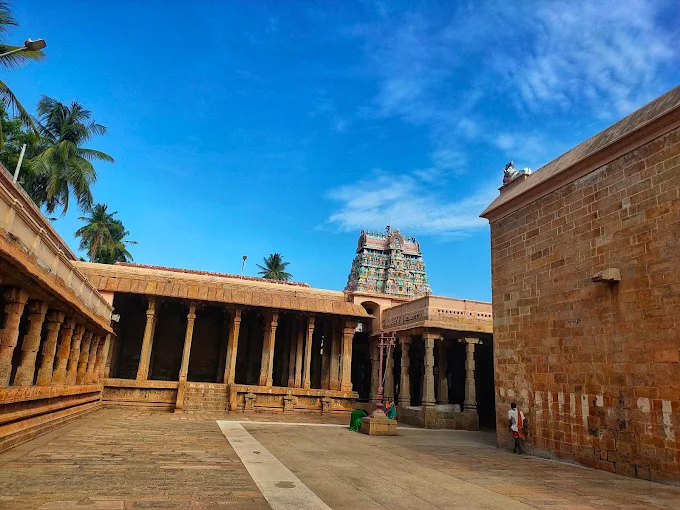
Architecturally, the temple faces east and has a five-tier Rajagopuram and two prakarams. Its history is associated with successive periods of development under the Cholas, Pandyas and Hoysalas, making it valuable not only as a place of worship but also as a heritage site.
The historical identity of Maatruraivaradheeswarar Temple is closely connected with the ancient settlement of Tiruppaachilasramam, a name preserved in temple and inscriptional traditions. Over time, the name evolved through forms such as Pachilachiramam and Thiruvachiramam, and the settlement eventually became known as Thiruvasi.
The temple belongs to the ancient Shaiva sacred geography of Chola Nadu north of the Kaveri. Traditional Paadal Petra Sthalam lists identify it among the important Shiva temples praised by the Nayanmars. Published temple references commonly identify Thiruvasi as the 62nd Shiva Sthalam on the northern bank of the Kaveri in the Chola Nadu sequence. Different databases sometimes use different numbering systems for the full Paadal Petra list, so MandirVaas should rely primarily on the temple's Paadal Petra status rather than displaying a numerical rank unless the numbering convention is specified.
The literary history of the shrine is particularly strong. Thirugnanasambandar composed a Tevaram hymn for Tiruppaachilasramam, and Sundarar also praised the shrine. Their hymns establish the temple's place within the early medieval Tamil Shaiva devotional movement. The temple therefore belongs to the group of sacred sites whose importance is preserved not merely through architecture but also through Tamil devotional literature.
The physical temple is believed to be more than a thousand years old, with some sources describing it as approximately 1,500 years old. However, the present structure should not be assigned entirely to one dynasty. Historical sources describe construction, renovation and patronage associated with Chola, Pandya and Hoysala rulers.
An important inscriptional reference comes from the medieval period. Published accounts mention a 1253 CE inscription associated with the Hoysala ruler Veera Someswaran, recording a substantial paddy endowment to the temple. Such records demonstrate that the shrine had an established economic and religious institution supporting regular worship and temple activities during the medieval period.
The temple's architectural character reflects this long history. The east-facing temple has a five-tier Rajagopuram and two prakarams, following the broad Dravidian temple tradition. The sanctum is associated with a Swayambhu Shiva Lingam according to temple tradition. The sacred tree is Vanni, and the temple's sacred-water traditions include Annamam Poigai and Silambaru/Panguni.
The temple's mythology developed alongside its literary and architectural history. The story of Sundarar receiving and testing gold from Shiva is central to the identity of Maatruraivaradheeswarar. Another major tradition associates Thirugnanasambandar with the curing of the daughter of the local ruler Kolli Mazhavan. A further legend connects the temple with Kamalan and a divine marriage involving Shiva and Parvati. These narratives belong to the Sthala Purana and oral devotional traditions and should be distinguished from the temple's inscriptional history.
The temple underwent modern conservation and renovation as well. Published sources record a Kumbhabhishekam on 14 June 2017, demonstrating that the temple continues to receive periodic restoration and ritual renewal as a living place of worship.
Today, Maatruraivaradheeswarar Temple remains an active Shiva temple in Thiruvasi. Maha Shivaratri is among its important observances, while regular Shaiva worship continues throughout the year. Its combination of Tevaram literature, medieval inscriptions, multi-dynasty architectural development and continuing devotional traditions makes it an important heritage temple in the Tiruchirappalli region.
No daily poojas available.
No special rituals available currently.
No festivals available.
Dress Code: Traditional and modest clothing is recommended.
Photography: No
Prasad: Not Available
Prasad Details: Prasadam is available according to temple arrangements.

📍 2.28 km away

📍 4.10 km away
📍 5.70 km away

📍 5.97 km away
📍 6.01 km away
Stays near Maatruraivaradheeswarar Temple

📍 Near Nachiyar Kovil (Thirunarayur Nambi Temple) · 87.1 km
stayStarting from ₹4,500 / night

📍 Near Kurinji Andavar Temple · 147.5 km
stayStarting from ₹2,000 / night

📍 Near Kasi Vishwanathar Temple · 1,667.5 km
Starting from ₹1,200 / night


📍 Near Kasi Vishwanathar Temple · 1,667.5 km
Starting from ₹1,200 / night
Discover more temples you may be interested in
You may also like these temples