☰
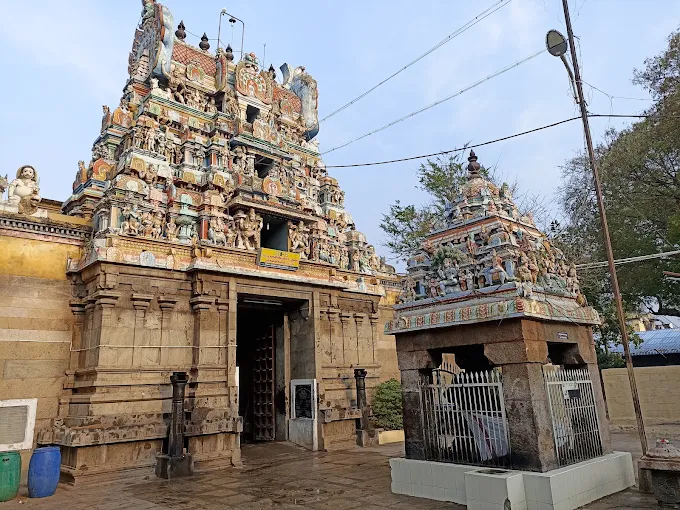
🛕 Lord Shiva | 📍 Uraiyur, Tiruchirappalli, Tamil Nadu
Sri Panchavarneswarar Temple at Uraiyur is one of the historic Shiva temples of Tiruchirappalli and an important shrine in the Tamil Shaiva tradition. The temple is celebrated as a Paadal Petra Sthalam, with the deity praised in the Tevaram tradition. The temple is traditionally counted as the 5th Paadal Petra Shiva Sthalam on the southern bank of the Kaveri in Chola Nadu. Its ancient sacred name is associated with Mukkeeswaram, and the temple stands in Uraiyur, the historic Chola settlement that served as an important early Chola centre.
The presiding deity is Panchavarneswarar, also known as Aivanna Peruman and Mukkeeshurathu Adigal. The name Panchavarneswarar means the “Lord of Five Colours.” According to the temple's traditional Sthala Purana, Shiva appeared before Sage Udhanga in five different colours during different periods of the day. This sacred manifestation is the central legend behind the temple's name. The colours are traditionally associated with the changing appearance of the Shiva Lingam during worship. This is a religious tradition and should be presented as such rather than as a scientifically established physical change.
The temple's consort is Gandhimathi Ammai, also known in temple traditions by other names. The sacred tree of the temple is the Vilva tree, one of the most important trees in Shaiva worship. The temple's sacred water sources include Siva Theertham and Naga Theertham.
Another important layer of the temple's significance comes from its connection with the Nayanmar tradition. Thirugnana Sambandar praised the deity in his Tevaram hymn, referring to the sacred place as Tirumookeeswaram. The hymn forms an important literary connection between the temple and the early Tamil Shaiva devotional movement.
Uraiyur itself adds considerable historical importance to the pilgrimage. The settlement is closely associated with the early Cholas and is remembered in Tamil historical tradition as an ancient Chola centre. Consequently, a visit to Panchavarneswarar Temple can be understood not only as a religious journey but also as an opportunity to explore the sacred and historical landscape of old Uraiyur.
The temple is also associated with traditional worship by Garuda, Karkodaka and other figures in Hindu mythology. Devotees have traditionally associated these stories with relief from certain difficulties and with spiritual protection. Such benefits belong to the sphere of religious belief and should not be represented as guaranteed outcomes.
Panchavarneswarar Temple is situated in historic Uraiyur, an ancient settlement closely associated with the Cholas. The sacred place was known in earlier tradition as Mukkeeswaram or Tirumookeeswaram. The temple's historical importance is therefore connected not only with Shaiva worship but also with the history of Uraiyur and the Chola country.
The temple has a strong connection with the early Tamil Bhakti movement. Thirugnana Sambandar praised the deity in the Tevaram, and his hymn refers to the place as Tirumookeeswaram. This literary evidence places the sacred centre within the early medieval period of Tamil Shaivism. The temple is traditionally classified among the Paadal Petra Sthalams and is counted as the fifth such Shiva shrine on the southern bank of the Kaveri in Chola Nadu.
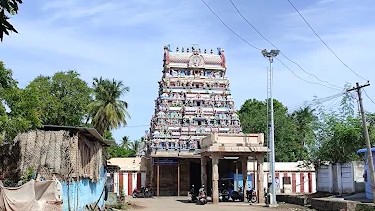
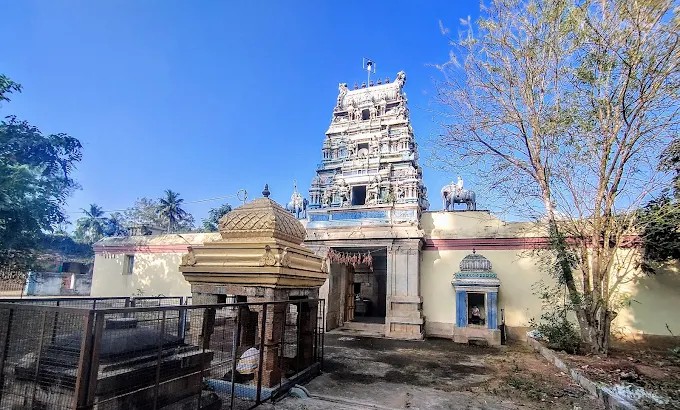
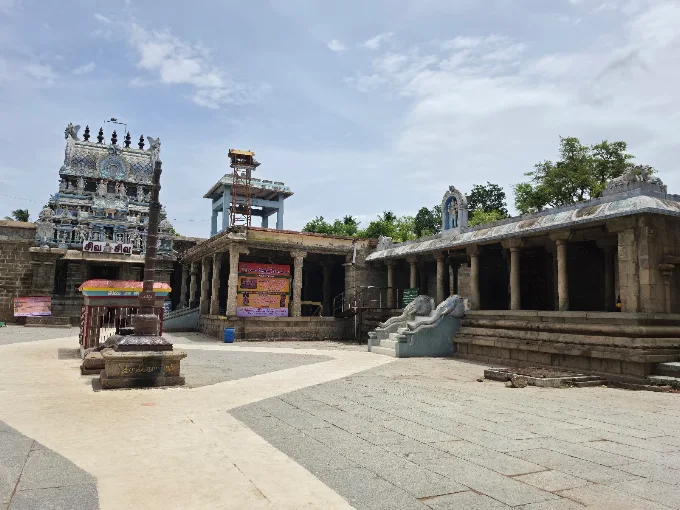
The existing temple displays architectural features associated with different historical periods. Sources describe a five-tiered Rajagopuram and three prakarams, together with a karuvarai, arthamandapam and mahamandapam. Granite pillars and sculptural details form an important part of the complex. Some architectural elements are considered to preserve Chola-period characteristics, while the present entrance tower has also undergone later construction or renovation.
Epigraphic evidence is particularly valuable for understanding the temple's history. Inscriptions associated with the reigns of Rajaraja Chola I and Rajendra Chola I, along with records of other Chola rulers, have been reported from the temple. One inscription records arrangements involving the revenue of a nearby village for temple maintenance. Another inscription refers to Uraiyur and its administrative divisions during the Chola period. These records demonstrate that the temple participated in the religious and economic institutions of medieval Tamil society.
The traditional history of the temple also includes the story of Sage Udhanga. According to the Sthala Purana, Udhanga worshipped Shiva here and received a vision in five colours at different times of the day. This tradition explains the name Panchavarneswarar and remains one of the temple's defining legends. The story belongs to the religious tradition of the temple and should be distinguished from inscriptional or archaeological evidence.
Uraiyur itself has a long association with the Cholas. Traditional and historical accounts identify it as an early Chola centre, and several figures connected with Tamil and Chola history are associated with the city. The temple therefore forms part of a much larger historic landscape rather than standing as an isolated religious monument.
Over the centuries, the temple underwent repairs, additions and renovations. A study of the temple notes that the Rajagopuram visible today may represent a later reconstruction, since the 1961 Census of India description reportedly recorded the absence of a Rajagopuram at that time. This illustrates why the present structure should not simply be described as entirely Chola-period. Instead, the temple is better understood as a historic complex whose architecture developed through successive periods of patronage and renovation.
Today the temple remains under the administration of the Tamil Nadu Hindu Religious and Charitable Endowments Department and continues its daily worship and annual festival traditions. The major annual celebrations include Vaikasi Brahmotsavam, Aadi Panchaprakara festival, Navaratri, Annabishekam, Thiruvathirai and Mahashivaratri.
No daily poojas available.
No special rituals available currently.
No festivals available.
Dress Code: Traditional and modest clothing is recommended.
Photography: No
Prasad: Not Available
Prasad Details: Prasadam is available according to temple arrangements.

📍 2.10 km away
📍 2.26 km away
📍 2.42 km away

📍 4.07 km away

📍 4.20 km away
Stays near Panchavarneswarar Temple

📍 Near Nachiyar Kovil (Thirunarayur Nambi Temple) · 87.1 km
stayStarting from ₹4,500 / night

📍 Near Kurinji Andavar Temple · 145.2 km
stayStarting from ₹2,000 / night

📍 Near Kasi Vishwanathar Temple · 1,673.8 km
Starting from ₹1,200 / night


📍 Near Kasi Vishwanathar Temple · 1,673.8 km
Starting from ₹1,200 / night
Discover more temples you may be interested in
You may also like these temples