☰
🛕 Lord Shiva | 📍 Trichy, Tiruchirappalli, Tamil Nadu
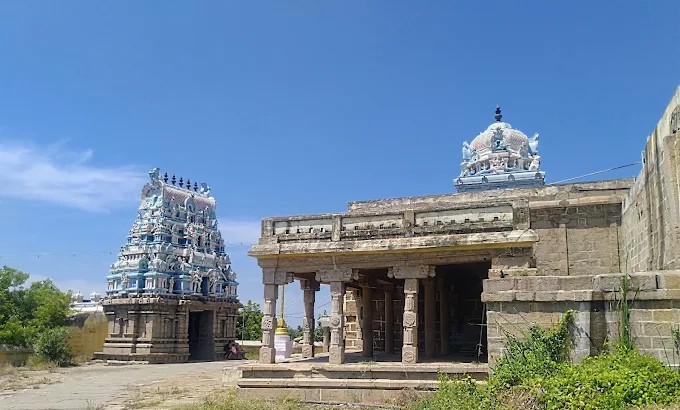
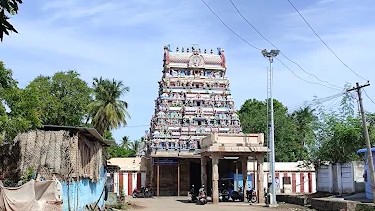
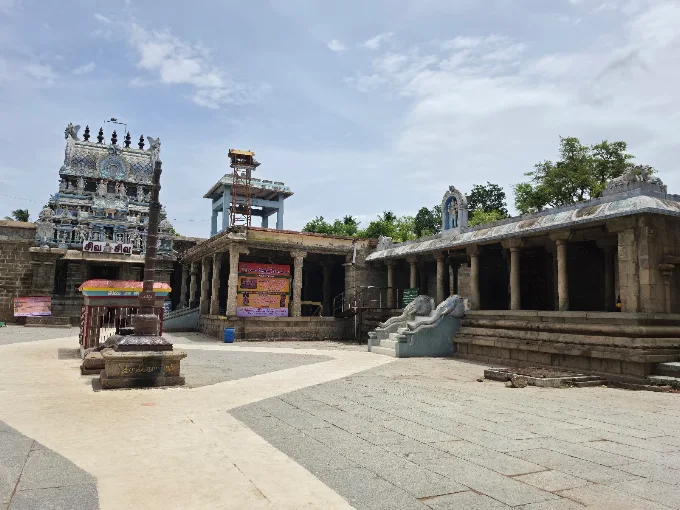
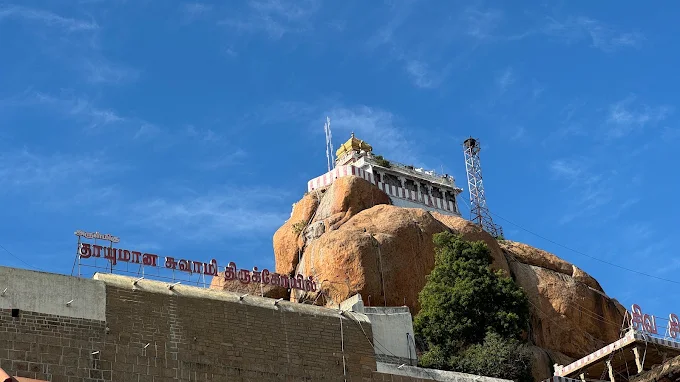
Thayumanavar Temple, officially known as Arulmigu Thayumanaswamy Temple, is one of the most important Shiva temples in Tiruchirappalli. Situated within the famous Rockfort complex, the temple combines Shaiva devotional heritage, an ancient hill setting, Tamil literary tradition and a deeply moving legend of divine motherhood. The Tamil Nadu Hindu Religious and Charitable Endowments Department identifies the temple as one of the Paadal Petra Sthalams and records that Thayumanaswamy was praised by Appar, Thirugnana Sambandar and Manikkavacakar.
The presiding deity is Lord Shiva worshipped as Thayumanaswamy, also known in temple tradition as Mathrubhuteswarar. The name Thayumanaswamy carries the meaning “the Lord who became a mother.” The associated goddess is Mattuvarkuzhalammai, whose name is connected with her beautiful, fragrant hair. Together, the two shrines form the principal sacred focus of the temple.
The central legend explains the unusual name of the deity. According to temple tradition, a devotee named Rathnavathi was pregnant and approaching childbirth. She expected her mother to come and assist her during delivery, but heavy flooding in the Kaveri prevented her mother from reaching her. Rathnavathi prayed intensely to Lord Shiva. According to the traditional account, Shiva took the form of her mother, came to her and helped her through childbirth. When her actual mother eventually arrived, the family understood that it was Shiva who had appeared in the mother's form. This story is the foundation of the Thayumanaswamy tradition. The Government of India's Utsav portal records the same temple legend.
Because of this tradition, the temple has a particularly strong devotional association with motherhood, childbirth and maternal protection. Devotees traditionally pray here for the welfare of mothers and children and for a safe childbirth. These are religious beliefs and devotional practices rather than medical guarantees.
The temple's location on Rockfort adds another dimension to its significance. The Rockfort is a prominent natural rock formation rising above the Tiruchirappalli cityscape. The district administration describes the rock as about 275 feet high, with a long flight of steps cut into the rock. Thayumanaswamy Temple lies partway up the hill, while the Ucchi Pillaiyar shrine is located near the summit.
The temple is also important for Tamil Shaivite literature. Its connection with Appar and Thirugnana Sambandar places it within the devotional world of the Nayanmars and the Tevaram tradition. The association with Manikkavacakar further strengthens its literary and spiritual importance.
Thayumanaswamy Temple stands within the historic Rockfort of Tiruchirappalli. The Tamil Nadu HR&CE Department describes the temple as more than a thousand years old and places it beside the Kaveri landscape of Tiruchirappalli. Its long association with Tamil Shaivism is reflected in its connection with Appar, Thirugnana Sambandar and Manikkavacakar.
The sacred hill itself is much older than the temple structures. The Rockfort is a prominent rocky outcrop rising above the city. The Tiruchirappalli District administration describes it as a 275-foot-high rock structure with hundreds of steps carved into the hill. The complex contains three principal temple sites: Manikka Vinayakar Temple at the lower level, Thayumanaswamy Temple on the hillside and Ucchi Pillaiyar Temple near the summit.
The history of the present temple complex reflects several periods of Tamil religious and political history. The Rockfort area is associated with Pallava, Chola and later Nayak phases of development. The Ministry of Tourism's Incredible India portal notes a traditional attribution of the Thayumanaswamy shrine to the Pallava period and describes the temple as the largest of the three principal shrines within the Rockfort complex. Such dynasty-based construction dates should be treated carefully because the present complex has undergone development and renovation over many centuries.
The temple's Shaiva literary importance is particularly strong. Thayumanaswamy is included among the Paadal Petra Sthalams, and the official HR&CE history specifically records the association of Appar, Sambandar and Manikkavacakar with the shrine. This places the temple within the larger development of Tamil Shaiva devotional literature and pilgrimage.
The most famous traditional episode in the temple's history is the story of Rathnavathi. According to the temple tradition, she was a pregnant devotee whose mother was unable to reach her because the Kaveri was in flood. Shiva is believed to have assumed the appearance of her mother and personally attended to the devotee during childbirth. When the actual mother arrived later, the family realised that the person who had helped Rathnavathi was none other than Shiva. The episode gave the deity the name Thayumanaswamy and established the temple's enduring connection with motherhood and childbirth. The Government of India's Utsav portal records this traditional account.
The temple also has an important relationship with the broader Rockfort heritage. Visitors historically combined their worship of Thayumanaswamy with visits to Manikka Vinayakar and Ucchi Pillaiyar. The hill therefore functions as a multi-shrine pilgrimage route rather than a single isolated temple. The elevated position also provides views over Tiruchirappalli and the surrounding river landscape.
Today the temple continues to function as an active place of worship under the Tamil Nadu HR&CE administration. The official temple schedule lists daily worship including Ushakkala, Kalasandhi, Uchikkala, Sayarakshai and Ardhajama pujas. The temple also hosts important annual celebrations, including the Chittirai festival and the Theppam/float festival.
For historical accuracy, MandirVaas should describe Thayumanaswamy Temple as an ancient, multi-period Rockfort temple with Pallava-era traditions, later Chola and Nayak associations, strong Tevaram heritage and continuing HR&CE administration, rather than attributing the entire existing structure to a single dynasty.
No daily poojas available.
No special rituals available currently.
No festivals available.
Dress Code: Traditional and modest clothing is recommended.
Photography: No
Prasad: Not Available
Prasad Details: Temple prasadam is available according to temple arrangements.

📍 1.66 km away
📍 2.42 km away

📍 2.95 km away
📍 3.09 km away

📍 3.96 km away
Stays near Thayumanavar Temple

📍 Near Nachiyar Kovil (Thirunarayur Nambi Temple) · 84.8 km
stayStarting from ₹4,500 / night

📍 Near Kurinji Andavar Temple · 147.3 km
stayStarting from ₹2,000 / night

📍 Near Kasi Vishwanathar Temple · 1,673.3 km
Starting from ₹1,200 / night


📍 Near Kasi Vishwanathar Temple · 1,673.3 km
Starting from ₹1,200 / night
Discover more temples you may be interested in
You may also like these temples