☰
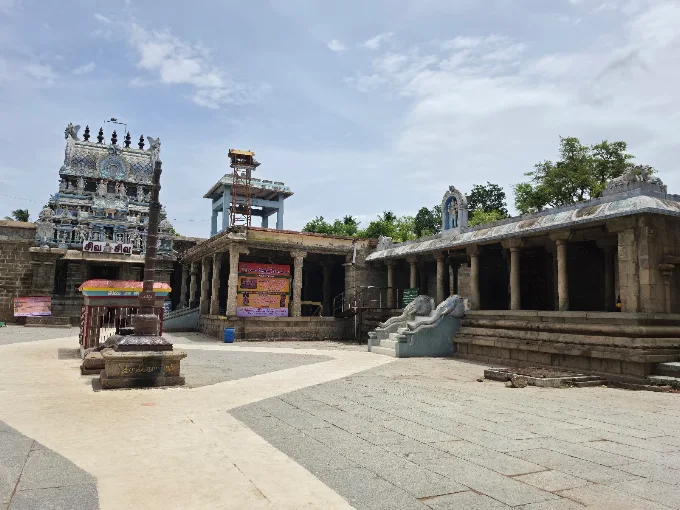
🛕 Lord Shiva | 📍 Thirunedungalam, Tiruchirappalli, Tamil Nadu
Thiruneedunganaadhar Temple at Thirunedungalam is an ancient Shiva temple and one of the celebrated Paadal Petra Sthalams of Tamil Nadu. The presiding deity is worshipped as Thirunedungalanathar, also known as Nithya Sundareswarar, meaning the eternally beautiful Lord. The Goddess is worshipped as Mangalanayaki and Oppilanayaki. The temple is associated with the sacred traditions of the Chola Nadu Kaveri region and is praised in the Tevaram hymns of Saint Thirugnanasambandar.
The temple has a particularly important place in the Saiva tradition because Thirugnanasambandar composed a complete pathigam in praise of the Lord here. The hymn is traditionally known as the “Idar Kalaiyum Pathigam”, a devotional hymn associated with seeking relief from difficulties and obstacles. The temple therefore attracts devotees who come not only for worship but also to experience the spiritual atmosphere associated with Sambandar's Thevaram hymns.
The temple is also associated with an unusual representation of Shiva and Parvati. Traditional accounts connect the shrine with the divine union of Shiva and the Goddess, and the temple is particularly noted for its distinctive sacred architecture, including the arrangement of the sanctum and its vimanas. The shrine is described as an ancient Swayambhu Shiva temple, meaning that the Lingam is traditionally regarded as self-manifested rather than installed by human hands.
The sacred landscape around Thirunedungalam is closely connected with the Kaveri region. Its position among the southern-bank Shiva temples of Chola Nadu makes it particularly valuable for pilgrims following the traditional Paadal Petra Sthalam circuit. Other important Shiva temples, including Thiruverumbur and Tiruchirappalli Rockfort, can be incorporated into a wider pilgrimage route.
Another important feature is the temple's connection with Agastya. Agastya Theertham is traditionally associated with the shrine, while the sacred tree is identified as Vilvam in temple traditions. Devotees also worship the Goddess Mangalanayaki/Oppilanayaki for auspiciousness and wellbeing according to local devotional belief.
The temple's significance is therefore a combination of Tevaram heritage, ancient Shaiva worship, Kaveri-region sacred geography, traditional legends and living devotional practices. For MandirVaas, it is particularly suitable to classify as a Paadal Petra Sthalam, Nayanmar Temple and Kaveri-region heritage Shiva temple.
The history of Thirunedungalanathar Temple reaches back to the early medieval period of Tamil Saiva tradition. The settlement was historically known as Nedungalam, while Thirunedungulam became the later form of the name. Literary evidence is particularly important here: the temple was mentioned by the Pallava-era Saivite saint Ayyadigal Kadavarkon, whose period predates the better-known Nayanmars Appar and Sambandar. This indicates that the sacred reputation of the site was already established before the major flowering of the Tevaram tradition.
Thirugnanasambandar subsequently visited the shrine and composed a pathigam in praise of Nedungalanathar. His hymn is preserved in the Tevaram tradition and is identified as Tevaram I:52 in the textual catalogues. The temple consequently became one of the Paadal Petra Sthalams, the group of Shiva temples celebrated in the hymns of the Nayanmar saints. Traditional listings place Thirunedungalam as the 125th Paadal Petra Shiva Sthalam and the eighth such shrine on the southern bank of the Kaveri in Chola Nadu.
The physical temple, however, should not be attributed to a single period. Architectural and inscriptional evidence indicates that the shrine was built, rebuilt and modified over several centuries. Historical studies of Chola temples place Thirunedungalam within the wider architectural landscape of the Chola period. Numerous Tamil inscriptions from approximately the 10th to 12th centuries are associated with the temple, providing evidence of medieval patronage and religious activity.
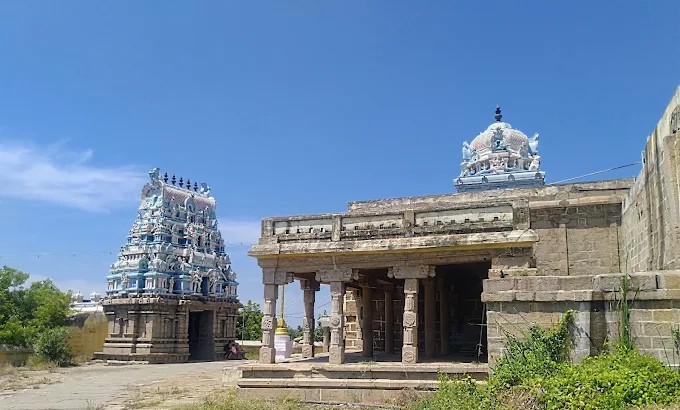
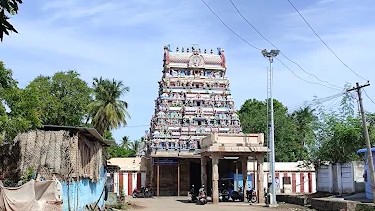
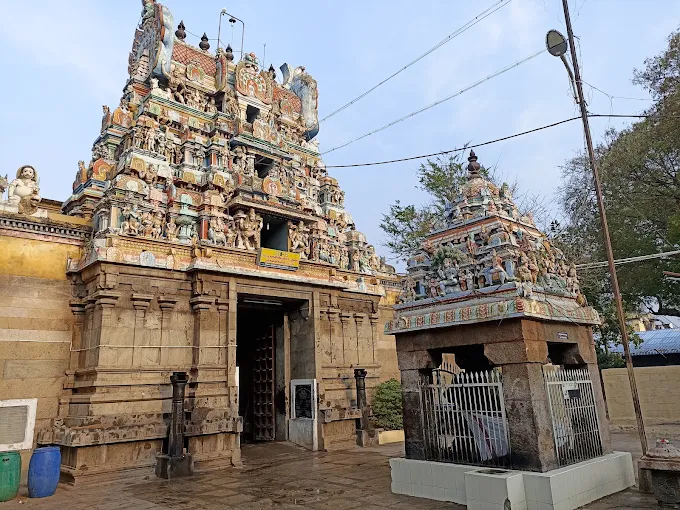
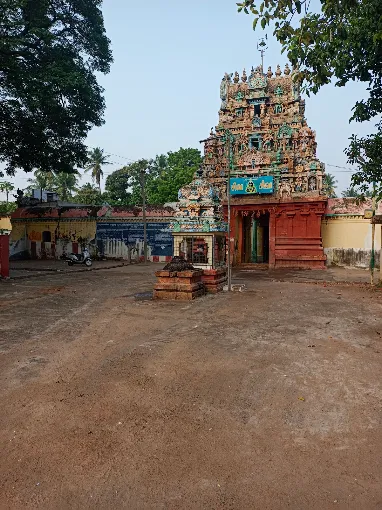
The present complex contains the main Shiva shrine, Goddess Mangalanayaki/Oppilanayaki's shrine and several subsidiary shrines. Descriptions of the temple record two prakaras, a principal Rajagopuram and another entrance tower. Sculptural representations on the gopuram are associated with stories from the temple's sacred traditions. Shrines for Vinayaka, Dakshinamurthi, Brahma, Durga, Muruga with Valli and Deivanai, Varadaraja Perumal, Agasthya and other deities are also found within the complex.
Several legends explain the religious identity of the shrine. One traditional account connects the temple with Shiva taking a concealed or unusual form while testing the devotion of the Goddess. Another tradition associates the sacred form of the deity with the union of Shiva and Parvati. These accounts belong to the temple's Sthala Purana and devotional tradition and should be distinguished from the archaeological history of the structure.
The temple also preserves a strong connection with the wider literary history of Tamil Shaivism. Its association with Ayyadigal Kadavarkon and Thirugnanasambandar places it within a long continuum of Tamil devotional literature extending from the pre-Tevaram period into the Nayanmar tradition. This literary heritage is one of the principal reasons the shrine continues to be regarded as an important Paadal Petra Sthalam.
Today, Thirunedungalanathar Temple remains a living place of worship rather than simply an archaeological monument. Daily worship, Pradosham observances and annual festivals continue to connect the historic temple with the religious life of the local community. The main annual festival is traditionally associated with Vaikasi Visakam, while special worship is conducted during Pradosham and other Shaiva occasions.
No daily poojas available.
No special rituals available currently.
No festivals available.
Dress Code: Traditional and modest clothing is recommended.
Photography: No
Prasad: Not Available
Prasad Details: Prasadam is available according to temple arrangements.
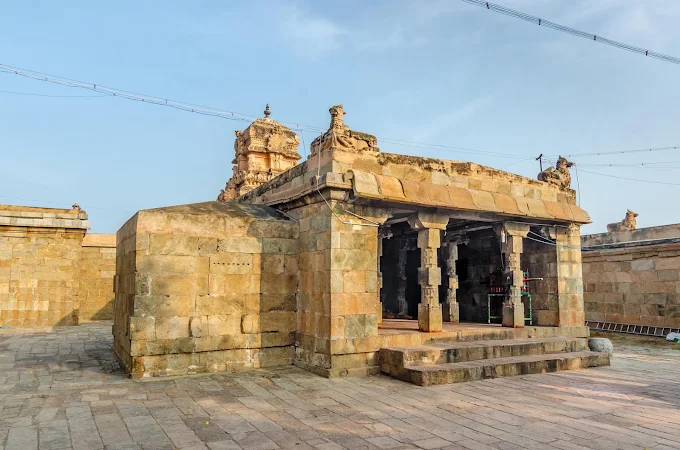
📍 9.61 km away
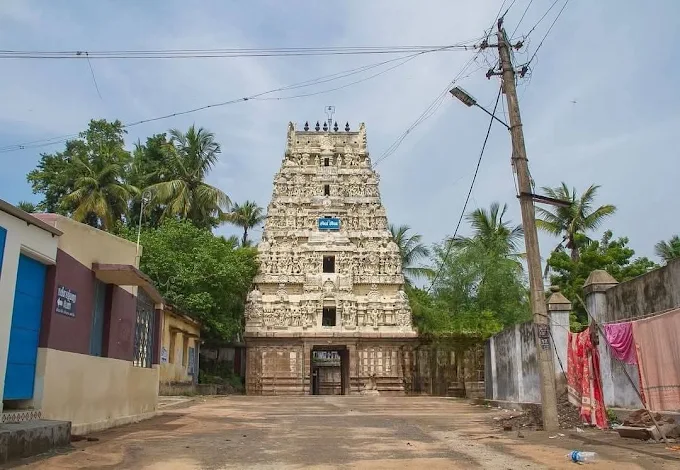
📍 11.20 km away
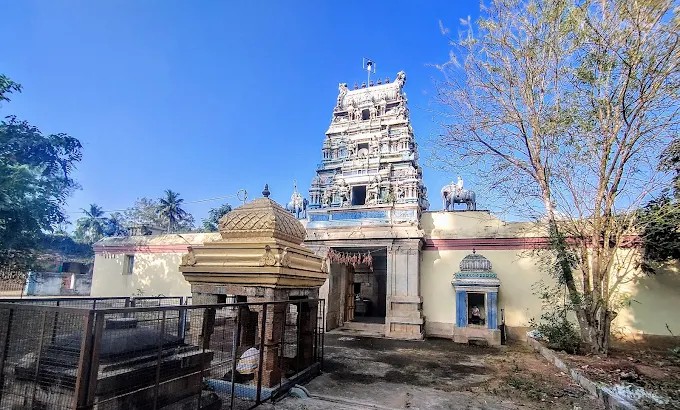
📍 12.35 km away
📍 13.66 km away

📍 14.65 km away
📍 18.14 km away
Stays near Thiruneedunganaadhar Temple

📍 Near Nachiyar Kovil (Thirunarayur Nambi Temple) · 70.0 km
stayStarting from ₹4,500 / night

📍 Near Kurinji Andavar Temple · 160.3 km
stayStarting from ₹2,000 / night

📍 Near Kasi Vishwanathar Temple · 1,675.1 km
Starting from ₹1,200 / night


📍 Near Kasi Vishwanathar Temple · 1,675.1 km
Starting from ₹1,200 / night
Discover more temples you may be interested in
You may also like these temples