☰
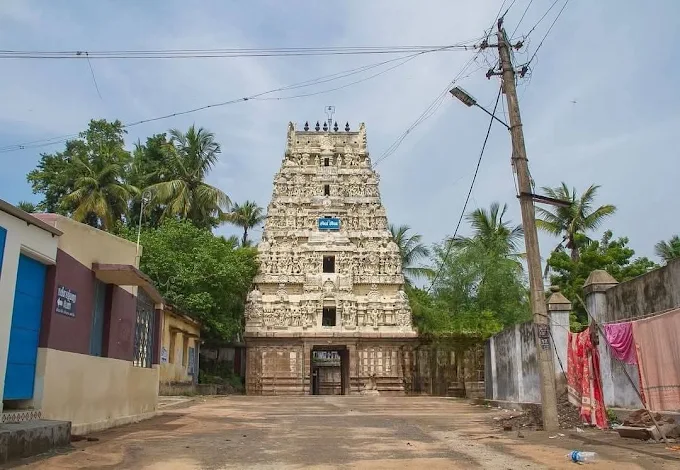
🛕 Lord Shiva | 📍 Anbil, Tiruchirappalli, Tamil Nadu
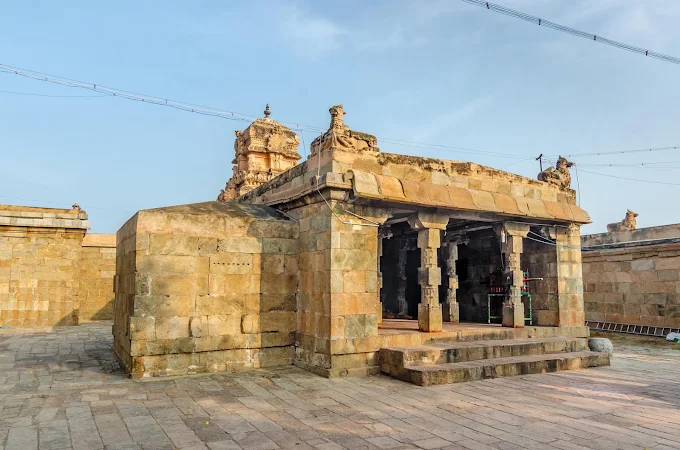
Anbil Sathyavaheesvarar Temple is one of the revered Shiva temples of the Tamil Saiva tradition and an important Paadal Petra Sthalam of the Kaveri northern-bank region. The temple is situated at Anbil near Lalgudi, on the northern bank of the Kollidam River, giving the shrine a distinctive river-side sacred landscape. Shiva is worshipped here as Sathyavaheesvarar, while Goddess Parvati is worshipped as Soundaranayagi. The shrine is also associated with the traditional name Alanthurai and the historical name Tiruanbil.
The temple occupies a special place in the Tevaram tradition because both Thirugnana Sambandar and Appar are associated with hymns praising the deity here. Their Tevaram connection places Anbil among the 275 Paadal Petra Sthalas, making it an important destination for devotees following the ancient Shaiva pilgrimage route of Tamil Nadu.
One of the most memorable traditions connected with the temple concerns Sevi Saitha Vinayagar, literally understood as “the Vinayagar who listened with his ear.” According to temple tradition, Sambandar arrived at the region while the Kollidam was in flood. Unable to cross the river to reach the shrine, he remained on the opposite bank and sang hymns in praise of Shiva. Vinayagar is traditionally believed to have bent towards Sambandar and listened to his devotional songs. The distinctive Vinayagar shrine and iconography preserve this sacred memory.
Another traditional association is with Sama Veda recitation. The temple's legends connect the place with Brahmins who recited the Sama Veda, giving Vinayagar another traditional name, Samaganam Ketta Vinayagar, meaning the Vinayagar who listened to the chanting of Sama Veda. This adds a distinctive connection between Tamil Shaiva worship and Vedic recitation to the spiritual character of Anbil.
The temple is also notable for its association with Brahma, and the presiding deity is known in some traditions as Brahmapureeswarar. The complex contains a separate shrine for Brahma along with several other subsidiary shrines, including those associated with Bhairava, Murugan and the Navagrahas.
The Kollidam River and temple water bodies such as Chandra Theertham contribute to the sacred geography of the shrine. The combination of Tevaram heritage, river-side setting, Chola-period architectural elements and traditional worship makes Anbil Sathyavaheesvarar Temple an important stop for pilgrims exploring the Paadal Petra Sthalas around Tiruchirappalli and the Kaveri region.
Anbil Sathyavaheesvarar Temple belongs to the historic temple landscape of the Kaveri region of Tamil Nadu. Anbil, traditionally known as Tiruanbil, developed as an important settlement in the Chola country, and the temple preserves architectural and inscriptional evidence associated with several historical periods. The present temple is generally associated with the Chola architectural tradition, while later rulers and local patrons contributed to its expansion and maintenance.
Historical accounts associate the temple with the Chola period, with the oldest portions of the present masonry structure generally dated to around the 9th century CE. At the same time, the temple should not be described as entirely belonging to one dynasty, because inscriptions and architectural features indicate continued development under later rulers. Contributions are associated with the Cholas, Thanjavur Nayaks and the Thanjavur Maratha period.
The inscriptional history of the temple is particularly valuable. Records documented during the early twentieth-century inscription surveys include references connected with rulers and officials from different periods. Names associated with the inscriptional record include Parantaka Chola I, Rajendra Chola III, Maravarman Kulasekara Pandyan I, Hoysala Veeramadevar and other Chola-period rulers. Some historical records also refer to the presiding deity by the name Brahmapureeswarar, demonstrating the variety of names through which the shrine was known over time.
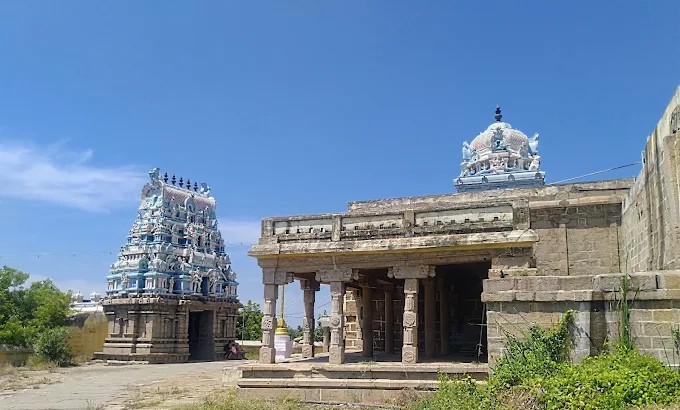
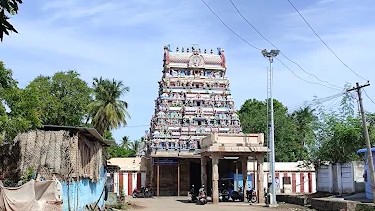
Architecturally, the temple follows the Dravidian tradition. The east-facing temple is entered through a five-tiered rajagopuram, and the complex contains multiple prakarams and mandapams. The sanctum houses the Shiva lingam of Sathyavaheesvarar, while Soundaranayagi has a prominent separate shrine. Sculptural details and subsidiary shrines add to the historical and artistic character of the complex. A particularly interesting sculpture on one of the pillars depicts a serpent form extending along the pillar, while the temple also contains a separate shrine for Brahma.
The temple's history cannot be separated from its Tevaram identity. Thirugnana Sambandar and Appar, two of the great Nayanmar saints, praised the deity in their devotional hymns. Their association establishes the sacred importance of Anbil within the early medieval Tamil Shaiva tradition and is the reason the shrine is classified among the Paadal Petra Sthalas.
The tradition surrounding Sevi Saitha Vinayagar adds another layer to the temple's historical memory. According to the sthala tradition, Sambandar's hymn was heard by Vinayagar from across the flooded Kollidam. This is a religious legend rather than an archaeological event, but it remains an important part of the temple's living devotional identity.
The temple continues to function as an active place of worship. Traditional daily worship includes multiple pujas, with published temple references giving morning and evening worship hours approximately around 6:00 AM–11:00 AM and 5:00 PM–8:00 PM; timings may change on festival days, so pilgrims should confirm locally before travelling.
No daily poojas available.
No special rituals available currently.
No festivals available.
Dress Code: Traditional and modest clothing is recommended.
Photography: No
Prasad: Not Available
Prasad Details: Prasadam is available according to temple arrangements.
📍 10.79 km away
📍 11.20 km away

📍 12.52 km away
📍 13.03 km away
📍 15.39 km away

📍 17.88 km away
Stays near Anbil Sathyavaheesvarar Temple

📍 Near Nachiyar Kovil (Thirunarayur Nambi Temple) · 63.6 km
stayStarting from ₹4,500 / night

📍 Near Kurinji Andavar Temple · 167.9 km
stayStarting from ₹2,000 / night

📍 Near Kasi Vishwanathar Temple · 1,663.9 km
Starting from ₹1,200 / night


📍 Near Kasi Vishwanathar Temple · 1,663.9 km
Starting from ₹1,200 / night
Discover more temples you may be interested in
You may also like these temples