☰
🛕 Lord Shiva | 📍 Tirupalathurai / Panayapuram, Tiruchirappalli, Tamil Nadu
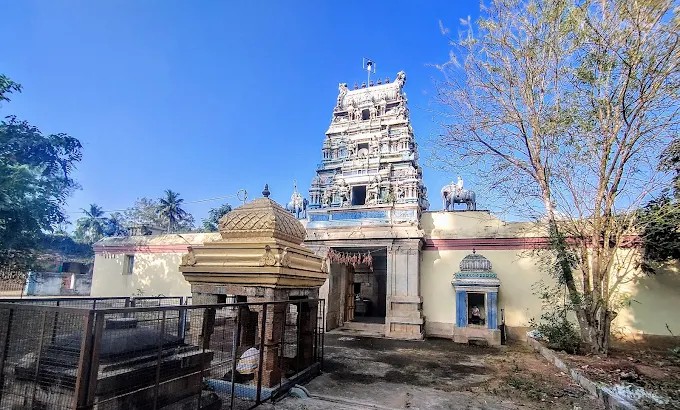
Sri Aadhimuleswara Temple at Tirupalathurai is an ancient Shiva temple and an important Paadal Petra Sthalam of the Chola Nadu region. The presiding deity is worshipped as Adhimooleswarar, also known as Aathi Moolanathar or Thirumoolanathar. The Goddess is worshipped as Nithya Kalyani, Meghalambikai and Moganayaki. The temple is situated in the sacred landscape between the Kaveri and Kollidam rivers, giving it an important place among the ancient Shaiva temples of the region.
The greatest significance of the temple comes from its connection with the Tevaram tradition. Thirugnanasambandar praised the Lord of Tiruppaatrurai in his hymns, and the temple is therefore included among the 275 Paadal Petra Sthalams celebrated by the Tamil Nayanmar saints. Traditional temple lists identify it as the 113th Paadal Petra Sthalam and as an important shrine on the Kollidam side of the Chola Nadu sacred geography.
The temple is particularly interesting for devotees and heritage visitors because of its unusual Veena Dakshinamurthy. Dakshinamurthy is normally represented as the divine teacher beneath the banyan tree, but here the temple tradition highlights a distinctive form in which the deity is associated with a veena and a graceful standing posture. Musicians traditionally regard this form as especially significant and worship the deity through abhishekam and special prayers.
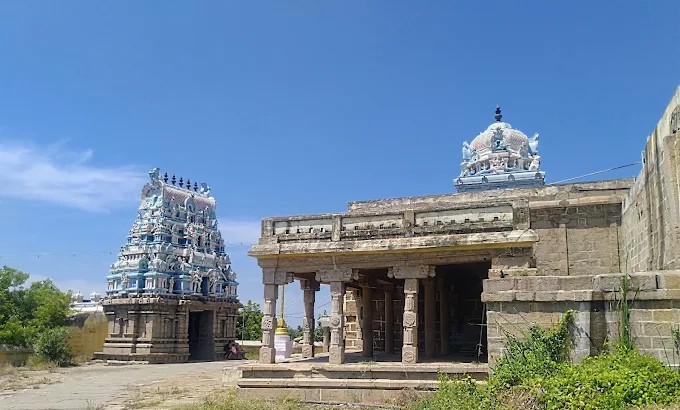
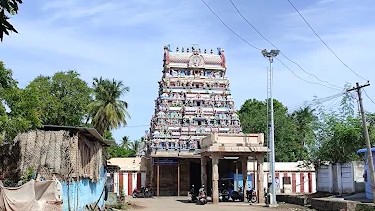
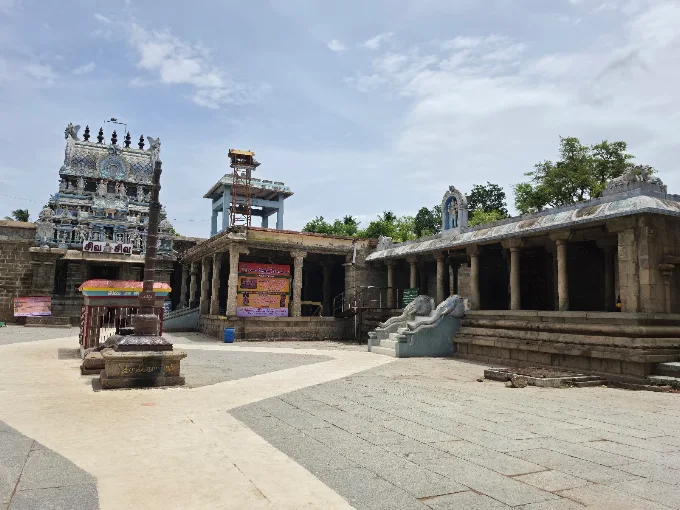
Another important architectural feature is the Deva Sabha, the grand court-like hall forming part of the Arthamandapa. Its sculpted pillars are among the notable features of the temple. The sanctum follows traditional Dravidian temple architecture, with a sanctum, antarala and Arthamandapa, while the temple has two prakarams and a three-tier Rajagopuram.
The temple is also traditionally regarded as a Swayambhu Shiva shrine, with the Lingam believed to be self-manifested. The sacred tree is Vilvam, while the Kollidam is associated with the temple's sacred water tradition.
The Goddess shrine has its own importance. Devotees traditionally pray to Nithya Kalyani or Meghalambikai for auspicious family life, removal of obstacles in marriage and blessings for children. These are devotional beliefs associated with the temple and should be understood as part of its religious tradition rather than as guaranteed outcomes.
The temple is also associated with the traditional story of Markandeya Maharishi. According to temple tradition, milk is said to have emerged from the Shiva Lingam when Markandeya worshipped here. Another version of the Sthala Purana tells of a Chola king who discovered an anthill from which milk appeared while hunting. Shiva then appeared in the king's dream and instructed him to establish a temple at the site. These traditions are part of the temple's sacred mythology rather than independently established historical events.
The historical identity of Sri Aadhimuleswara Temple is closely connected with the ancient settlement of Tiruppaatrurai, a name preserved in both literary and inscriptional records. The place is now commonly called Tirupalathurai or Tiruppattrurai. The temple belongs to the long Shaiva tradition of the Kaveri–Kollidam region and was already associated with Tamil devotional literature by the time of the Nayanmar saints.
The temple's connection with Thirugnanasambandar is especially important. The 7th-century saint is traditionally associated with the shrine, and his Tevaram hymn praises the Lord of Tiruppaatrurai. Sekkizhar's Periyapuranam also places Tiruppaatrurai within the pilgrimage route of Thirugnanasambandar. This literary connection is the principal reason the temple is classified as a Paadal Petra Sthalam.
The physical history of the temple extends across more than one dynasty. Pallava-period inscriptions are reported at the site, while the stone reconstruction and substantial development of the temple are associated with the Chola period. Inscriptions refer to the settlement by a long historical name, Kollida Thenkarai Nattu Brahmadeya Uttama Seeli Chaturvedi Mangalam Tiruppattrurai, showing its position within the administrative and religious landscape of medieval Chola Nadu.
Several inscriptions provide evidence for religious endowments. An inscription associated with Nandi Varman III records an endowment for maintaining two perpetual lamps. Chola-period inscriptions associated with rulers including Parantaka I, Kandaraditya and Sundara Chola record gifts of land, provisions for worship, offerings, garlands, lamps and other temple services. These inscriptions demonstrate that the temple functioned as an established religious institution with organised endowments during the medieval period.
The architectural character of the present temple reflects this layered history. The east-facing complex has a three-tier Rajagopuram and two prakarams. The sanctum has a Vesara-type vimana, while the Arthamandapa is known as the Deva Sabha or grand court hall. Its carved pillars and sculptural details make it an important feature for visitors interested in South Indian temple architecture.
The sanctum contains a small Shiva Lingam traditionally regarded as Swayambhu. The koshta sculptures include Vinayaka, Dakshinamurthy, Sankaranarayana, Brahma and Durga, while distinctive representations of Bhikshatana and Veena Dakshinamurthy appear on the walls of the sanctum. The temple also contains shrines for Subramanya, Bhairava, Chandikeswara and Vishnu as Venugopala with Rukmini and Satyabhama.
The temple has undergone later renovation as well. A major Kumbhabhishekam was conducted in 1956, and an inscription recording the Tevaram hymn was installed in the temple in 1977, according to published documentation based on the site's historical records.
The Sthala Purana gives the temple another layer of identity. One tradition explains the name Tiruppaatrurai through the appearance of milk at the sacred spot, while another associates the discovery with a Chola king who encountered an anthill from which milk emerged. A further temple tradition connects the shrine with the Sun, whose rays are said to fall upon the main deity during particular periods of the year, especially around Aippasi and Panguni. These accounts should be presented as temple traditions rather than archaeological conclusions.
Today the temple continues as a living place of worship, with regular pujas and special observances during Maha Shivaratri, Margazhi Thiruvathirai and Thirukarthikai. Its combination of Pallava and Chola inscriptions, Tevaram heritage, traditional architecture and continuing worship gives Tiruppaatrurai a distinctive place in the sacred history of Tiruchirappalli district.
No daily poojas available.
No special rituals available currently.
No festivals available.
Dress Code: Traditional and modest clothing is recommended.
Photography: No
Prasad: Not Available
Prasad Details: Prasadam is available according to temple arrangements.

📍 3.45 km away
📍 4.00 km away
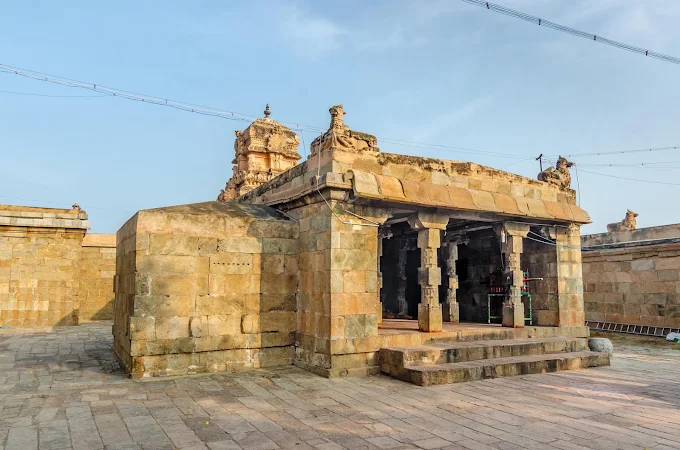
📍 5.95 km away
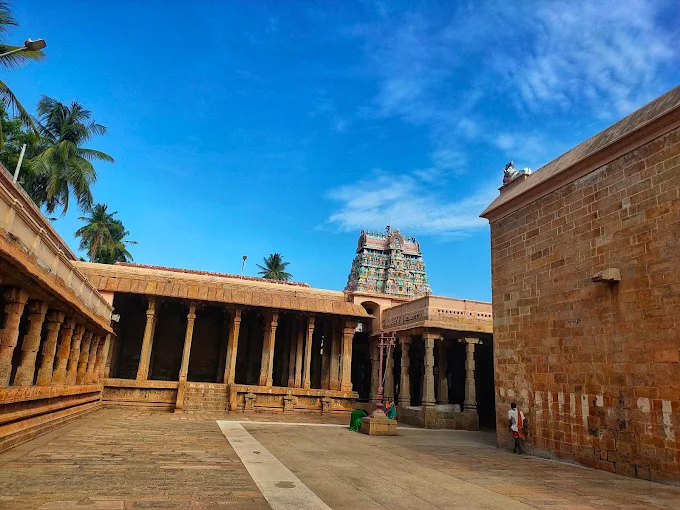
📍 6.95 km away

📍 7.09 km away

📍 7.95 km away
Stays near Sri Aadhimuleswara Temple

📍 Near Nachiyar Kovil (Thirunarayur Nambi Temple) · 76.7 km
stayStarting from ₹4,500 / night

📍 Near Kurinji Andavar Temple · 155.3 km
stayStarting from ₹2,000 / night

📍 Near Kasi Vishwanathar Temple · 1,669.3 km
Starting from ₹1,200 / night


📍 Near Kasi Vishwanathar Temple · 1,669.3 km
Starting from ₹1,200 / night
Discover more temples you may be interested in
You may also like these temples