☰
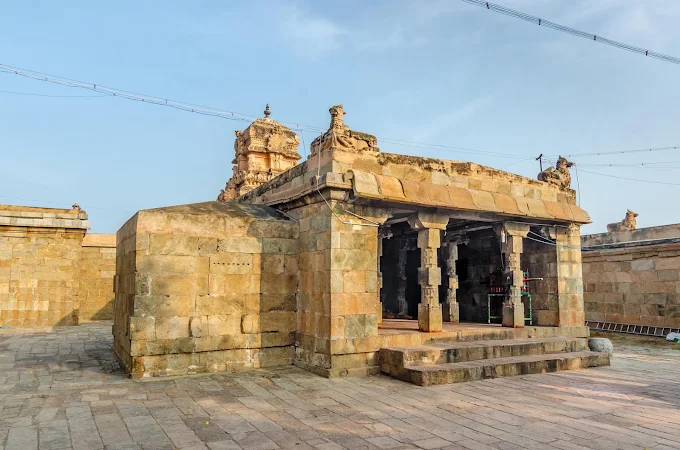
🛕 Lord Shiva | 📍 Thiruverumbur, Tiruchirappalli, Tamil Nadu
Erumbeeswarar Temple at Thiruverumbur is one of the important Shiva temples of the Chola region and a revered Paadal Petra Sthalam of the Kaveri southern-bank tradition. The presiding deity is Lord Shiva worshipped as Erumbeeswarar, while Goddess Parvati is worshipped as Narunguzhal Nayagi, also known in different traditions as Soundaranayaki, Madhuvaneswari and Rathnambikai. The temple is located on a small hillock and is popularly known as a Malai Kovil, giving the pilgrimage a distinctive combination of hill worship and ancient Shaiva tradition.
The name Erumbeeswarar is traditionally connected with the Tamil word “erumbu,” meaning ant. According to the temple's sthala purana, the Devas were troubled by the demon Tarakasura. Following divine guidance, they came to this sacred hill to worship Shiva. To avoid being noticed by the demon, the Devas are said to have assumed the form of ants. Because the ants found it difficult to climb the smooth surface of the Shiva Lingam, Shiva is believed to have changed himself into an anthill and inclined his form so that the ants could climb up and worship him. Thus the Lord came to be known as Erumbeeswarar. This is a sacred legend rather than an archaeological account, but it remains central to the temple's living devotional identity.
The shrine has an especially unusual form of Shiva worship. The main Lingam is traditionally described as being made of a mud or anthill-like substance with an uneven surface. Temple tradition therefore treats the image differently from an ordinary smooth stone Lingam. The deity is also described in local tradition as a Siva-Shakti Lingam, symbolically representing the unity of Shiva and Shakti.
Erumbeeswarar is important in the Tevaram tradition because Thirunavukkarasar, popularly known as Appar, praised this shrine in his hymns. The temple is identified as a Paadal Petra Sthalam and is traditionally counted among the Tevara temples on the southern bank of the Kaveri. Appar referred to the sacred place as Erumbiyur and the Lord as the deity of Erumbiyur.
The temple also has an unusual sacred geography. Shiva is traditionally believed to have inclined himself for the benefit of devotees at three places: Thiruverumbur, Tiruppanandal and Virinjipuram. The hill setting, the ascent to the shrine and the traditional anthill legend together make the pilgrimage experience different from many other Chola-period Shiva temples.
The temple is also associated with several important sacred traditions. Indra, Brahma, Agastya and other divine or sage figures are traditionally believed to have worshipped Shiva here. The temple is connected with Manikkavasagar's Tiruvacakam and later with Ramalinga Swamigal's Tiruarutpa, showing that its devotional importance continued beyond the period of the Tevaram saints.
The history of Erumbeeswarar Temple is closely connected with the Chola-period religious landscape of the Kaveri region. The sacred place is traditionally known as Tiruerumbiyur, and inscriptions and literary traditions preserve several historical and religious names for the site, including Erumbiyur, Tirverumbipuram, Erumbeesam, Brahmapuram, Lakshmipuram, Madhuvanam, Ratnakoodapuram, Manikoodapuram and Kumarapuram.
The temple's present architectural form is generally associated with the Early Chola period. Traditional historical accounts connect the structural temple with Aditya Chola I, who is said to have established a series of temples in the Kaveri region after the Chola victory at the Battle of Thiruppurambiyam in the late 9th century. The temple is therefore an important example of the development of Chola temple architecture.
At the same time, the temple should not be understood as the work of only one ruler. Its inscriptions indicate continued patronage and development during later Chola periods. Sources specifically associate the temple with the contributions of Sembiyan Mahadevi, Sundara Chola and Rajaraja Chola I. The inscriptions preserve historical names for both the settlement and the deity and provide evidence for the temple's importance within the Chola administrative and religious system.
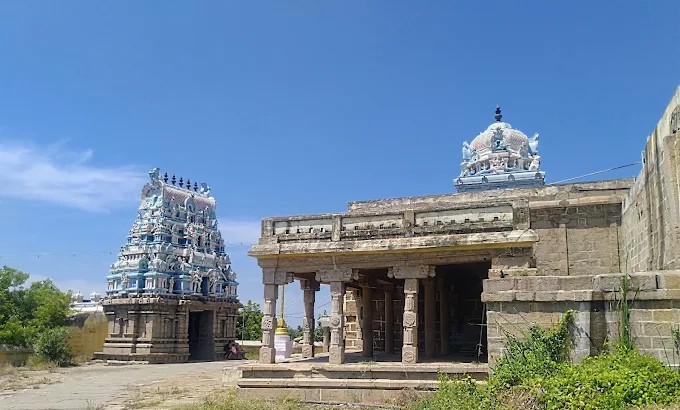
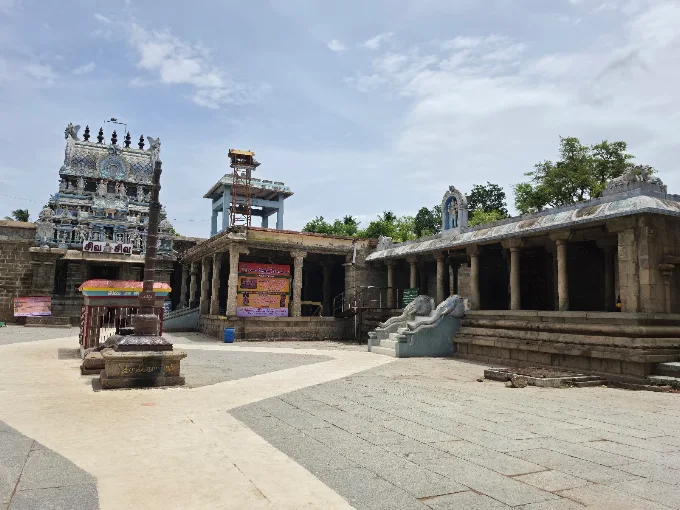
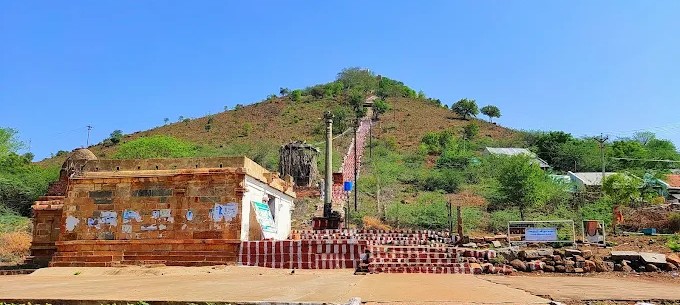
Architecturally, the temple stands on a hillock approximately 60 feet high. A flight of granite steps leads pilgrims from the foothills to the main temple complex. The principal shrines and two prakarams are situated on the hilltop, while the lower area contains the temple tank and other structures. The temple is therefore visually and physically different from flat-ground Chola temples.
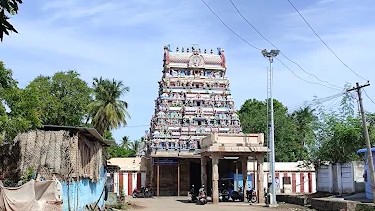
The main shrine faces east and houses Erumbeeswarar in Lingam form. The deity is traditionally associated with an anthill or mud-mound form. The temple also contains a separate shrine for Goddess Narunguzhal Nayagi. The complex includes shrines and images of Ganesha, Murugan, Nandi, Navagrahas, Dakshinamurthy, Durga, Chandikeswarar and Bhairava. Among the distinctive artistic features are the contrasting expressions of the two Dwarapalakas and the shrine of Swarna Bhairava.
The temple is also significant as a protected heritage monument. Sources identify it as being under the protection of the Archaeological Survey of India, reflecting its architectural and historical importance. The hill, temple structures, inscriptions and sculptures together make the site valuable not only as a living place of worship but also as part of Tamil Nadu's architectural heritage.
The literary history of the temple is particularly strong. Appar's Tevaram hymns established the shrine's status as a Paadal Petra Sthalam. Later, Manikkavasagar referred to the deity in Tiruvacakam, while Ramalinga Swamigal praised the temple in Tiruarutpa. Thus, the temple's religious history extends across several centuries of Tamil devotional literature.
The temple continues to be an active pilgrimage centre. The Tamil Nadu HR&CE Department currently lists the regular opening hours as 6:00 AM–12:00 PM and 4:30 PM–8:00 PM, with puja services including Kalasandhi, Uchikala, Sayarakshai and Arthajama worship.
The temple's annual and periodic religious traditions include Brahmotsavam, Annabhishekam, Mahashivaratri and Pournami Girivalam. The hill-circumambulation tradition is especially notable: devotees walk around the hill on full-moon days as part of their pilgrimage.
No daily poojas available.
No special rituals available currently.
No festivals available.
Dress Code: Traditional and modest clothing is recommended.
Photography: No
Prasad: Not Available
Prasad Details: Prasadam is available according to temple arrangements.
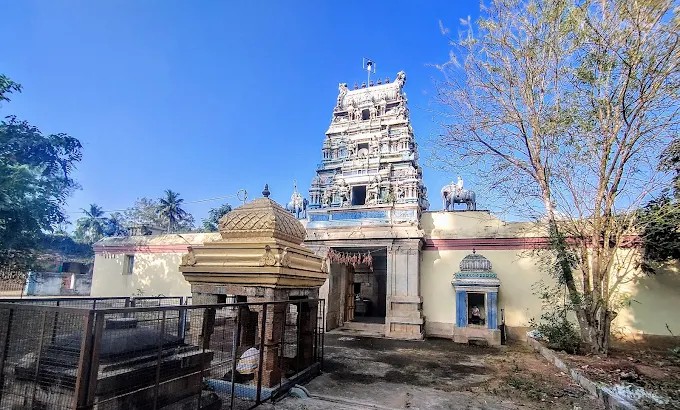
📍 5.95 km away
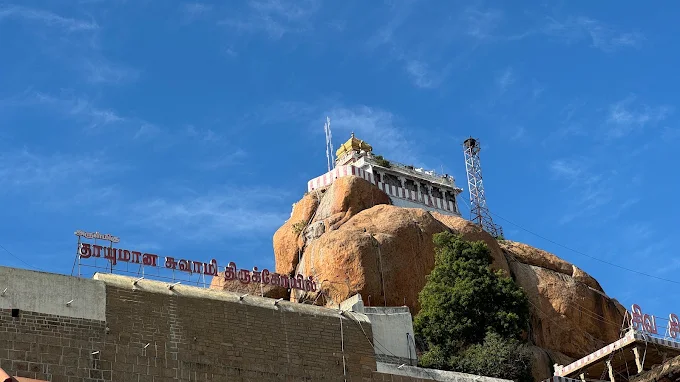
📍 8.63 km away

📍 9.04 km away

📍 9.39 km away
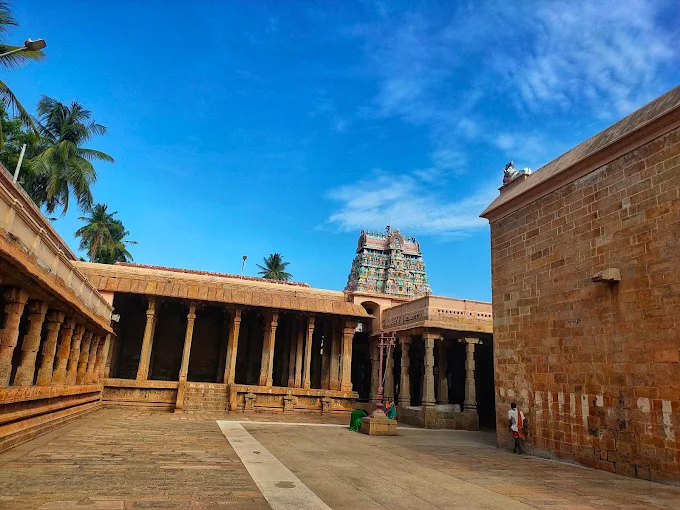
📍 9.57 km away

📍 9.60 km away
Stays near Erumbeeswarar Temple

📍 Near Nachiyar Kovil (Thirunarayur Nambi Temple) · 78.2 km
stayStarting from ₹4,500 / night

📍 Near Kurinji Andavar Temple · 152.6 km
stayStarting from ₹2,000 / night

📍 Near Kasi Vishwanathar Temple · 1,675.1 km
Starting from ₹1,200 / night


📍 Near Kasi Vishwanathar Temple · 1,675.1 km
Starting from ₹1,200 / night
Discover more temples you may be interested in
You may also like these temples