☰
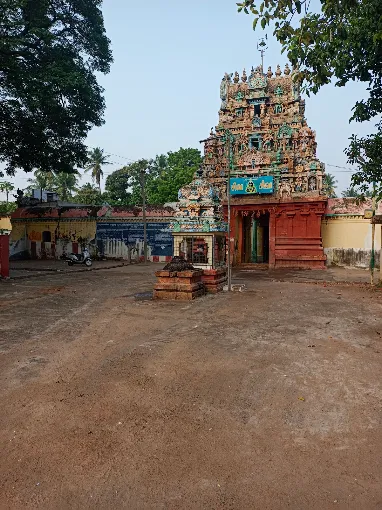
🛕 Lord Shiva | 📍 Thirumandurai, Tiruchirappalli, Tamil Nadu
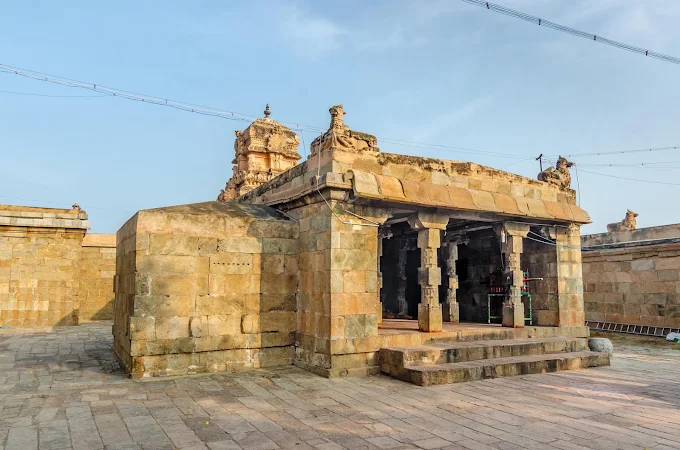
Amravaneswarar Temple at Thirumandurai, traditionally known as Tirumaanturai or Vadakarai Maanturai, is one of the important ancient Shiva temples of the Kaveri region. It is counted among the 275 Paadal Petra Sthalams, the sacred Shiva temples praised in the Tevaram tradition. The presiding deity is worshipped as Amravaneswarar, also known as Maanturaiappar, Mrugandeeswarar and Aathirathneswarar. Goddess Parvati is worshipped as Azhagammai and Balambigai. The temple's sthala vriksham is the mango tree and its sacred water source is known as Gayatri Nadi.
The name Maanturai is traditionally connected with the Tamil word maan, meaning deer, and the sacred mango tree associated with the temple. According to the sthala tradition, a deer worshipped Shiva beneath a mango tree. Shiva is believed to have blessed the deer with a mango, giving rise to the name Maanturai. This is a religious legend preserved through temple tradition rather than an archaeological explanation for the place name.
The temple has a strong association with Thirugnana Sambandar, one of the great Nayanmar saints. Sambandar composed a Tevaram pathigam in praise of the Lord of Tirumaanturai. The shrine is traditionally listed as the 58th Tevara Sthalam of Chola Nadu on the northern bank of the Kaveri. This makes it an important destination for pilgrims attempting to visit the ancient Paadal Petra Sthalams of the Kaveri region.
Several sacred traditions are connected with the temple. Surya, Chandra, Vishnu and Sage Kanvar are traditionally said to have worshipped Shiva here. Another important tradition concerns Mrikandu Munivar, the father of Markandeya. He is believed to have performed penance at this sacred place, and the temple is consequently associated with the name Mrikandeswarapura in some traditions.
The temple is also connected with Brahma and the Gayatri Nadi. According to temple tradition, Brahma worshipped Shiva here and brought the sacred Gayatri Nadi after completing his worship. The theertham therefore occupies an important position in the temple's sacred geography.
Another tradition concerns Indra, who is said to have worshipped Shiva here to obtain relief from the sin associated with his deception of Ahalya, the wife of Sage Gautama. Such stories form part of the temple's sthala purana and should be presented as sacred tradition rather than established historical events.
The temple also has an important association with child-related prayers in local devotional practice. Devotees traditionally visit the shrine seeking blessings for children and relief from difficulties believed to affect young children. This belief is part of the living devotional tradition of the temple and is not a medical claim.
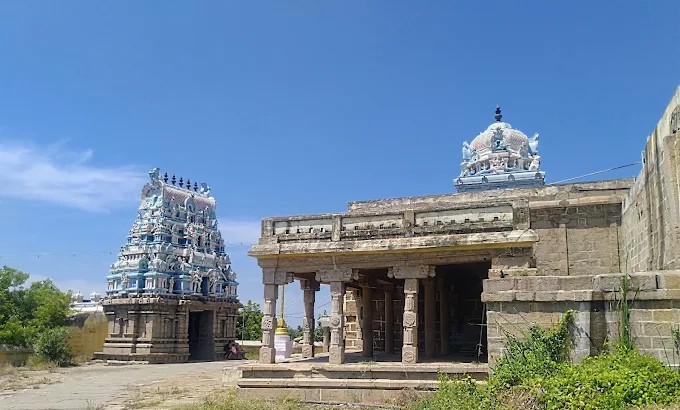
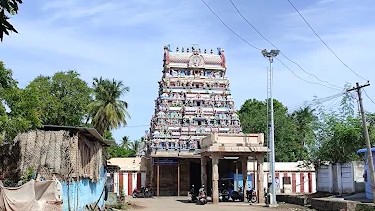
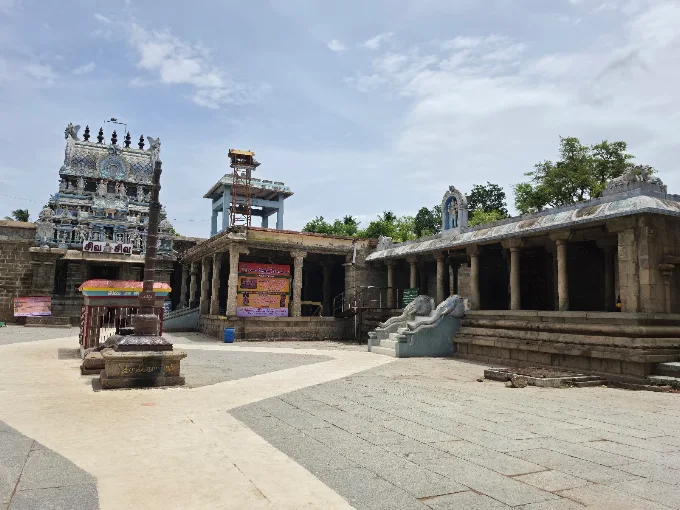
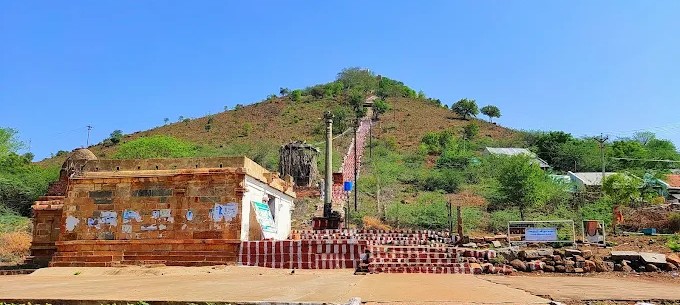
Architecturally, the temple represents the Dravidian tradition and contains a three-tiered rajagopuram, two prakarams and numerous sculptural and shrine elements. The temple's Chola-period inscriptions and later developments make it an important part of the historic temple landscape around Lalgudi.
The historical identity of Amravaneswarar Temple is closely connected with the ancient Chola country around the Kaveri. The shrine is traditionally called Tirumaanturai and Vadakarai Maanturai, the latter distinguishing it from another Manthurai located south of the Kaveri. The temple is situated on the Tiruchirappalli–Lalgudi route and forms part of the network of ancient Shiva temples that developed along the Kaveri region.
The temple is traditionally placed among the 275 Paadal Petra Sthalams. The strongest commonly cited Tevaram attribution is to Thirugnana Sambandar, who composed a pathigam in praise of the deity. Some modern secondary references also associate Appar with the temple, but the standard 275-Siva-Sthalams reference specifically lists Sambandar for Tirumaanturai. For a structured MandirVaas database, it is therefore safer to record Sambandar as the primary Nayanmar association and avoid overstating the Appar attribution without a stronger source.
The temple's present structure shows the influence of Chola-period temple architecture. Historical descriptions associate its development and expansion with the Chola period, while inscriptions on the temple walls provide evidence of the importance of the shrine during the medieval period. It should therefore be described as a Chola-region temple with subsequent maintenance and development rather than claiming that every visible part of the current structure belongs to a single Chola ruler.
The temple has an east-facing three-tiered rajagopuram and two prakarams. The sanctum houses Amravaneswarar in Lingam form, while the shrine of Balambigai is situated separately. The surrounding walls contain traditional koshta images including Dakshinamurthy, Brahma and Durga. The complex also includes shrines associated with Murugan, Vinayagar, Navagrahas, Bhairava and other deities.
One interesting feature is the representation of the deer and mango-tree legend in temple sculpture. The sacred tradition of Mrikandu Munivar and the deer worshipping Shiva beneath a mango tree is preserved visually in stucco work, linking the temple's mythology with its physical artistic environment.
The temple's sacred water is known as Gayatri Nadi. According to tradition, Brahma brought this sacred water after worshipping Shiva here. The presence of the Gayatri Nadi, together with the mango-tree tradition, forms an important part of the temple's sacred landscape.
The temple is also associated with Adi Shankara in local tradition. Dinamalar's temple account notes a shrine/image of Adi Shankara and states that he worshipped here. This should be treated as a temple tradition rather than an independently verified chronological claim.
The temple's annual religious calendar includes Chittirai festival, Mahashivaratri, Arudra Darshan and other Shaiva observances. Published references describe a Chittirai festival connected with the temple legends and religious processions.
The temple remains an active place of worship today and is administered within the Tamil Nadu Hindu Religious and Charitable Endowments system. Published temple information gives normal worship hours in the morning and evening, although different sources show small variations. For MandirVaas, the more conservative published schedule of 6:00 AM–11:00 AM and 4:30 PM–7:30 PM can be used, with a note that pilgrims should confirm on festival days.
No daily poojas available.
No special rituals available currently.
No festivals available.
Dress Code: Traditional and modest clothing is recommended.
Photography: No
Prasad: Not Available
Prasad Details: Prasadam is available according to temple arrangements.

📍 1.74 km away
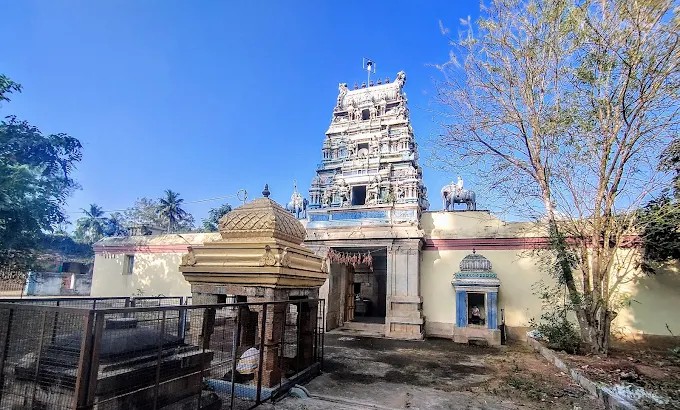
📍 4.00 km away

📍 7.33 km away
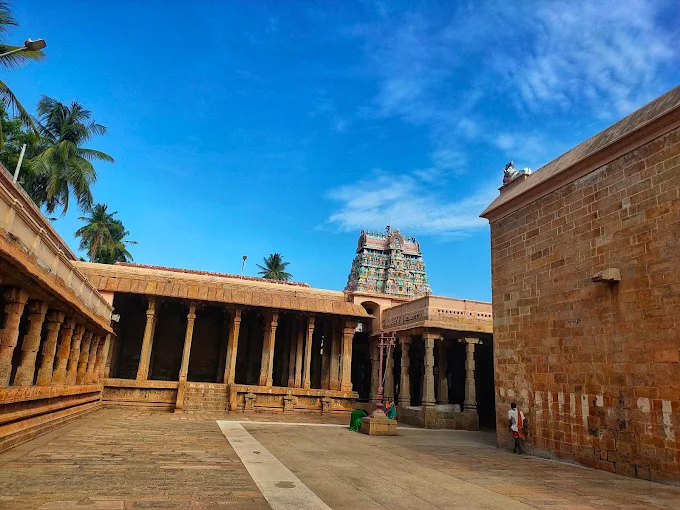
📍 9.35 km away

📍 9.52 km away
📍 9.62 km away
Stays near Amravaneswarar Temple

📍 Near Nachiyar Kovil (Thirunarayur Nambi Temple) · 74.0 km
stayStarting from ₹4,500 / night

📍 Near Kurinji Andavar Temple · 158.7 km
stayStarting from ₹2,000 / night

📍 Near Kasi Vishwanathar Temple · 1,665.5 km
Starting from ₹1,200 / night


📍 Near Kasi Vishwanathar Temple · 1,665.5 km
Starting from ₹1,200 / night
Discover more temples you may be interested in
You may also like these temples