☰
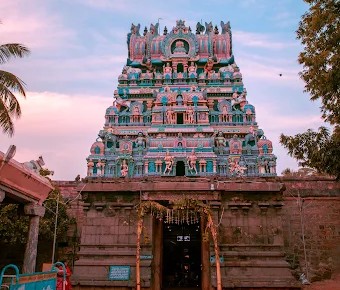
🛕 Lord Shiva | 📍 Thiruppaigneeli, Tiruchirappalli, Tamil Nadu
Sri Gneeliwaneshwarar Temple at Thiruppaigneeli is one of the celebrated Shiva temples of the Kaveri region and one of the Paadal Petra Sthalams of Tamil Nadu. The temple is especially significant because Lord Shiva here was praised by the three great Tevaram saints—Thirugnana Sambandar, Thirunavukkarasar (Appar) and Sundarar. Because of this literary and devotional connection, Thiruppaigneeli occupies an important place in the Shaiva pilgrimage tradition. Tamil Nadu HR&CE identifies it as the 61st Paadal Petra Sthalam on the northern bank of the Kaveri in Chola Nadu.
The presiding deity is Gneelivaneswarar, also known by names including Neelakandeswarar, Gneelivananathar, Kathali Vasanthar and Paramasambu. The temple tradition regards the Shiva Lingam as a Swayambhu, meaning that the deity is believed to have manifested naturally rather than being installed by human hands. The principal goddess is Visalakshi, also known as Neelnedungannayaki.
One of the most distinctive features of this temple is its sacred plantain tree, known as the Kalvazhai or Gneeli plantain. The temple's name and sacred identity are closely connected with this vegetation. According to temple tradition, the goddess Visalakshi performed severe penance here to worship Shiva, and the Sapta Kannikas who assisted her are associated with the sacred plantain trees of the temple. These are traditional temple legends rather than archaeological explanations.
The temple is also notable for its shrine associated with Yama, the deity traditionally regarded as the lord of death. This gives Thiruppaigneeli a distinctive place among Shiva temples and contributes to its association with prayers concerning longevity and protection. Devotees also traditionally visit the temple for prayers connected with marriage and family blessings. Such devotional practices should be understood as matters of faith rather than guaranteed outcomes.
Another important tradition concerns Appar. According to the Sthala Purana, Shiva appeared to Thirunavukkarasar in the form of an elderly Brahmin, offered him food and guided him towards Thiruppaigneeli before revealing himself. The shrine known as Sotrudai Eswarar is associated with this episode, and a special offering to Appar is observed during the Chithirai festival.
For pilgrims interested in Tamil Shaivism, Tevaram literature, Chola-period heritage, sacred trees and traditional temple legends, Gneelivaneswarar Temple offers several layers of religious and cultural significance in a single pilgrimage destination.
The history of Gneelivaneswarar Temple at Thiruppaigneeli extends deep into the early medieval history of Tamil Shaivism. The Tamil Nadu HR&CE temple record states that the temple is associated with the 6th century CE and records building and patronage traditions connected with rulers including Mahendravarman Pallava, Rajendra Chola I, Rajadhiraja Chola I and Sundara Pandya. These references indicate that the temple developed through several historical periods rather than being the product of a single dynasty.
The temple's antiquity is also supported by its strong Tevaram connection. Thirugnana Sambandar, Appar and Sundarar are traditionally associated with hymns praising the deity here. Since these saints belonged to the 7th–8th century devotional period, the sacred centre was already established by the time of their visits or compositions. Later inscriptions provide evidence for continued patronage and administration under Chola rulers.
Inscriptions from the temple have been associated with the reigns of Rajaraja Chola I, Rajendra Chola I, Rajadhiraja Chola I and rulers identified in the inscriptions with titles such as Konerinmaikondan. The inscriptions refer to the deity with names such as Thiruppaigneeli Udayar and Thiruppaigneeli Udaya Nayanar. They also record donations and institutional arrangements connected with the temple. These inscriptions are important evidence for understanding the temple's historical role in medieval Chola-period religious life.
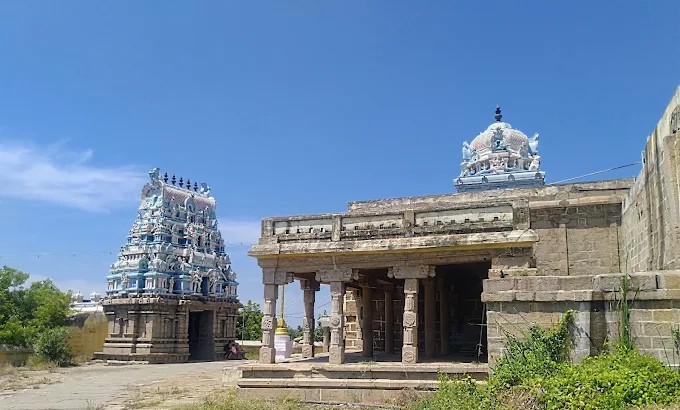
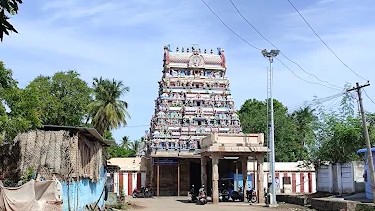
The temple complex has an unusual architectural and ritual character. Its main Rajagopuram is traditionally described as incomplete, with construction believed to have stopped after an early stage. Within the complex are several subsidiary shrines, including the shrine associated with Yama and the Sotrudai Eswarar shrine connected with the Appar tradition. The Yama shrine is particularly distinctive and is traditionally associated with the Pallava ruler Mahendravarman I, although such traditional construction attributions should be distinguished from conclusions established through independent archaeological study.
The sacred geography of Thiruppaigneeli is also reflected in its historical names. The place has been associated with names such as Swethagiri, Kadalivanam, Vimalaranyam and other traditional names found in temple literature. The name Thiruppaigneeli is connected in temple tradition with the sacred Gneeli plantain, which remains an important part of the temple's identity.
Among the temple's best-known traditions is the story of Appar receiving food from Shiva. The deity is said to have appeared before the saint as a Brahmin, offered him food and guided him towards Thiruppaigneeli. The episode is commemorated through the Sotrudai Eswarar shrine and special ritual observances. This tradition has helped preserve the temple's strong association with the Nayanmar devotional movement.
The temple therefore represents several layers of Tamil religious history: an ancient sacred centre, Tevaram literature, Pallava and Chola-period traditions, medieval inscriptions, Nayanmar devotional culture and continuing local worship. Rather than assigning the entire present structure to one dynasty, it is more accurate for MandirVaas to describe Gneelivaneswarar Temple as a historic temple complex that developed and received patronage across multiple periods.
No daily poojas available.
No special rituals available currently.
No festivals available.
Dress Code: Traditional and modest clothing is recommended.
Photography: No
Prasad: Not Available
Prasad Details: Prasadam is available according to temple arrangements.
📍 5.70 km away

📍 6.68 km away

📍 9.74 km away

📍 10.08 km away

📍 10.23 km away

📍 11.53 km away
Stays near Sri Gneeliwaneshwarar Temple

📍 Near Nachiyar Kovil (Thirunarayur Nambi Temple) · 89.3 km
stayStarting from ₹4,500 / night

📍 Near Kurinji Andavar Temple · 147.8 km
stayStarting from ₹2,000 / night

📍 Near Kasi Vishwanathar Temple · 1,663.3 km
Starting from ₹1,200 / night


📍 Near Kasi Vishwanathar Temple · 1,663.3 km
Starting from ₹1,200 / night
Discover more temples you may be interested in
You may also like these temples