☰
🛕 Lord Shiva | 📍 Madurai, Madurai, Tamil Nadu
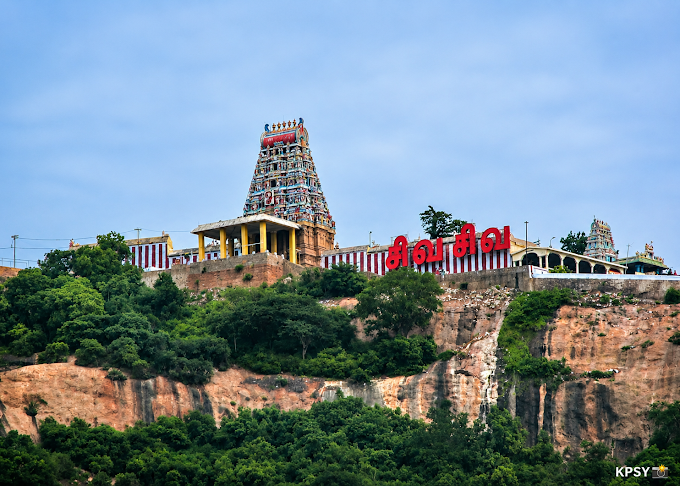
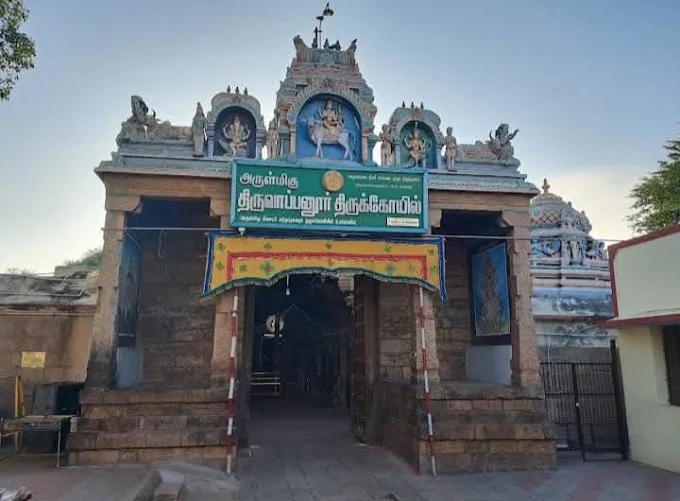
Aappudaiyar Temple, traditionally known as Thiru Aappanur or Thiruvappanur, is an ancient Shiva temple located in Sellur on the northern bank of the Vaigai River in Madurai. It occupies an important position in the Shaiva pilgrimage tradition as one of the 275 Paadal Petra Sthalams, the sacred Shiva temples praised in the Tevaram hymns of the Nayanmar saints. It is traditionally counted as the second Paadal Petra Sthalam of Pandya Nadu and is associated with a hymn of Saint Thirugnana Sambandar.
The presiding deity is worshipped as Aappudayar, with several traditional names including Aappudaiyar, Idapureeswarar, Rishabeswarar and Anna Vinodhan. The Goddess is worshipped as Sugandha Kundalambikai, also referred to in some traditions as Kuravankamazh Kuzhali. The temple's multiple names preserve different aspects of its sacred legends and devotional history.
The most distinctive legend of the temple is connected with the Tamil word “Aappu,” meaning a wooden wedge or peg. According to temple tradition, a Pandyan king named Solandhagan was devoted to Lord Shiva and would not eat before completing his daily Shiva worship. During a hunting expedition, he became exhausted and could not find a Shiva Lingam for worship. A wooden wedge was used as a temporary representation of Shiva. When the king later realized that he had worshipped a piece of wood, he became deeply distressed and prayed sincerely to Lord Shiva. According to the sacred tradition, Shiva manifested Himself through that very wooden wedge. This is said to be the origin of the name Aappudayar and the place-name Aappanur.
Another important tradition gives the deity the name Anna Vinodhan, associated with food and nourishment. During a period of famine, a temple priest is said to have continued preparing offerings for Shiva despite the scarcity of grain. According to the sthala tradition, Shiva instructed the priest to follow Him to this location. The sand of the Vaigai River is said to have miraculously become rice for the sacred offering. Because of this tradition, Shiva is worshipped here as Anna Vinodhan, linking the temple with the theme of divine nourishment and protection during hardship.
The Vaigai River is therefore an important part of the temple's sacred geography. Both the Aappu legend and the Anna Vinodhan tradition are connected with the river landscape. The temple's location also makes it part of the wider sacred network of Madurai, with Thiru Aalavai/Meenakshi-Sundareswarar Temple only a short distance away.
Its Paadal Petra status gives Aappudaiyar Temple a special place in Tamil Shaiva history. The connection with Thirugnana Sambandar means that the temple belongs to the ancient devotional geography preserved through Tevaram literature. For pilgrims following the Pandya Nadu Paadal Petra Sthalam circuit, Aappudaiyar is therefore an essential stop.
The temple is also associated with festivals such as Masi Brahmotsavam, Navaratri, Panguni Uthiram, Karthikai Mondays and Margazhi worship. Maha Shivaratri and Pradosham are also important occasions for Shiva devotees.
The historical identity of Aappudaiyar Temple is preserved under the ancient name Thiru Aappanur / Thiruvappanur. The temple is located in the Sellur area of present-day Madurai, close to the Vaigai River. Its most important historical religious distinction is its inclusion among the 275 Paadal Petra Sthalams of Tamil Shaivism. Traditional temple listings identify it as the second Paadal Petra Shiva Sthalam of Pandya Nadu, and the shrine is associated with a Tevaram hymn of Thirugnana Sambandar.
The exact date of the earliest physical structure is not firmly established. Some temple references describe the shrine as very ancient, while the present architectural complex has undergone changes and renovations over different periods. Therefore, it is more historically responsible to describe the temple as an ancient Shaiva sacred site whose physical structures developed over time rather than assigning the entire present building to one dynasty.
Traditions connect the temple with the Pandyan rulers. The temple's sacred stories repeatedly place Pandyan kings at the centre of its history. The story of King Solandhagan and the wooden wedge is particularly important because it explains both the manifestation of Aappudayar and the traditional name Aappanur.
The temple is also associated with later contributions from the Nayak and Sethupathi rulers, according to temple-history sources. This indicates that the shrine continued to receive patronage and maintenance after the early Pandyan period. The present temple therefore represents a layered history rather than a single construction phase.
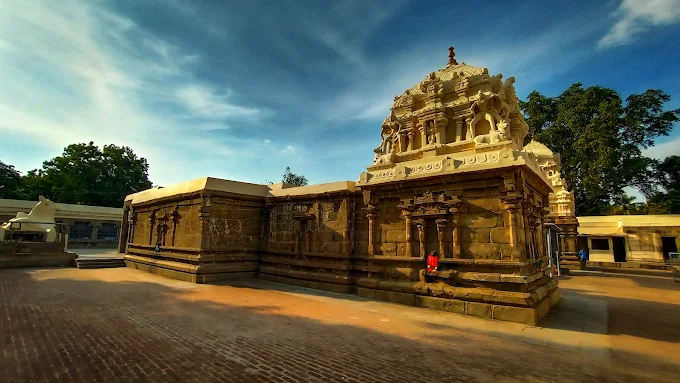
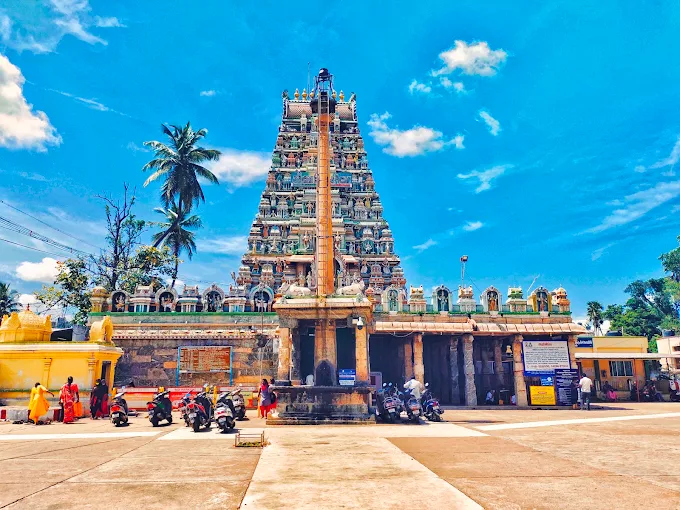
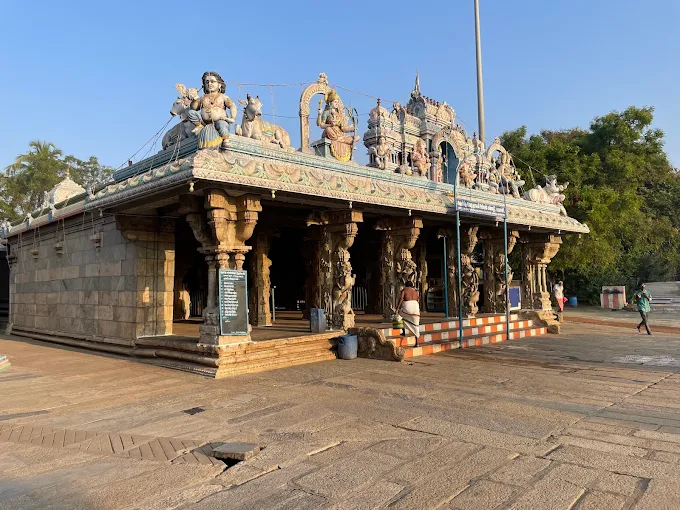
Architecturally, Aappudayar Temple is a comparatively modest urban Shiva temple rather than one of the huge monumental complexes of Tamil Nadu. Its historical value, however, is much greater than its physical scale might suggest. The temple preserves a sacred tradition that reaches back to the Tevaram period and remains part of the living pilgrimage network of Madurai.
The presiding Shiva is described in temple references as a Swayambhu Murti, meaning a self-manifested form. The shrine also contains traditional subsidiary shrines including Vinayaka, Nataraja, Kasi Viswanatha, Meenakshi and the Navagrahas. The temple's sthala vriksha is traditionally identified as the Kondrai tree, while the Vaigai and Vrushabha-related sacred waters are associated with its sacred geography.
The temple's relationship with the larger Madurai temple tradition is also significant. During Panguni Uthiram, traditions record a connection with the Meenakshi-Sundareswarar temple, with festival images associated with the Madurai temple being brought to Aappudayar Temple. This illustrates how several historic shrines around Madurai formed an interconnected sacred landscape rather than functioning as isolated temples.
The Tevaram connection remains the most important historical-religious reason for including Aappudayar Temple in a Paadal Petra pilgrimage route. The hymns of the Nayanmar saints transformed specific places in Tamil Nadu into a sacred geographic network, and Thiru Aappanur is one of the Madurai-region sites preserved through that tradition.
Today the temple continues to function as an active Shiva shrine in Sellur. It is visited by local devotees as well as pilgrims following the Pandya Nadu Paadal Petra Sthalam circuit. Its proximity to Thiru Aalavai/Meenakshi-Sundareswarar, Thirupparankundram and Thiruvedagam makes it particularly useful for a dedicated Madurai Paadal Petra Sthalam circuit.
No daily poojas available.
No special rituals available currently.
No festivals available.
Dress Code: Traditional and modest clothing is recommended.
Photography: No
Prasad: Not Available
Prasad Details: Prasadam is available according to temple arrangements.
📍 1.26 km away

📍 7.93 km away
📍 16.34 km away

📍 73.50 km away
📍 75.26 km away
📍 77.35 km away
Stays near Aappudaiyar Temple

📍 Near Kurinji Andavar Temple · 77.4 km
stayStarting from ₹2,000 / night

📍 Near Nachiyar Kovil (Thirunarayur Nambi Temple) · 186.7 km
stayStarting from ₹4,500 / night

📍 Near Kasi Vishwanathar Temple · 1,786.4 km
Starting from ₹1,200 / night


📍 Near Kasi Vishwanathar Temple · 1,786.4 km
Starting from ₹1,200 / night
Discover more temples you may be interested in
You may also like these temples