☰
🛕 Lord Shiva | 📍 Tiruchengode, Namakkal, Tamil Nadu
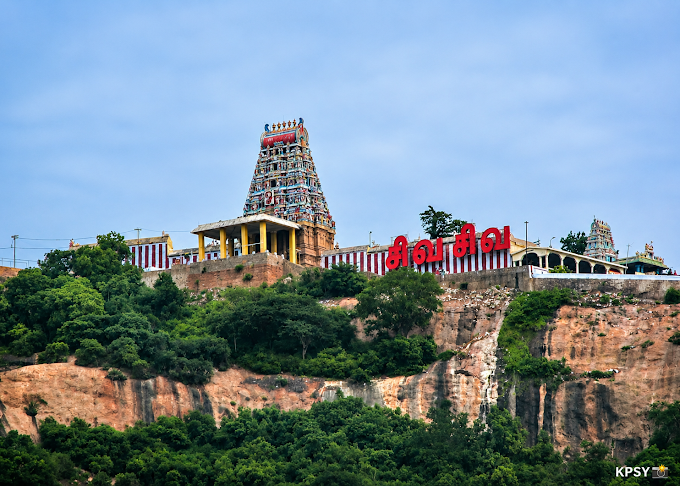
Ardhanareeswarar Temple at Tiruchengode is one of the most distinctive Shiva temples of Tamil Nadu and one of the seven important Kongu Nadu Sivasthalams praised in the Tamil Shaiva devotional tradition. The temple stands on Tiruchengode hill and is dedicated to Lord Shiva as Arthanareeswarar, the form in which Shiva and Parvati are represented together as one divine body. This unique icon expresses the inseparable nature of masculine and feminine principles and the theological idea that Shiva and Shakti are complementary aspects of the same supreme reality.
The presiding deity is known as Arthanareeswarar, while the Goddess is traditionally known as Bhagampiriyal or Bhagampiriyal Amman. The official HR&CE temple description identifies three major shrines within the complex: Arthanareeswarar, Bhagampiriyal and Sengottu Velavar, the Murugan shrine.
The principal image of Arthanareeswarar is the central spiritual attraction of the temple. The deity is shown vertically divided into two halves, with one side representing Shiva and the other representing Parvati. The temple's own history describes this particular manifestation as an exceptionally rare form associated with this sacred hill. Rather than treating the icon merely as an artistic representation, devotees understand it as a reminder of the unity of Shiva and Shakti.
Tiruchengode itself has a long literary and religious identity. The HR&CE history page notes that the town was known in older traditions as Thirukodimadachengundrur and that the place is mentioned in Tamil literary and devotional traditions including the Thevaram and Silappathikaram. Tirugnana Sambandar is traditionally associated with the Thevaram hymn praising this sacred place.
The hill itself is an important part of the pilgrimage experience. The official temple information states that the temple is approximately 650 feet above ground level and is reached by around 1,200 steps. The climb therefore forms an important part of the traditional pilgrimage to the shrine. The temple also provides facilities for pilgrims, including vehicle access/transport arrangements, drinking water, footwear protection, changing facilities and wheelchair-related facilities.
The temple has a particularly strong association with Murugan through the Sengottu Velavar shrine. This makes Tiruchengode valuable for pilgrims interested in both Shaiva and Murugan traditions. The hill and temple are also connected with the traditional story of Adisesha and Vayu, in which their contest is said to have produced the sacred hill. This is a traditional sthala-purana account and should be presented as religious tradition rather than archaeological history.
The temple's significance therefore comes from several overlapping identities: Ardhanareeswarar's unique composite icon, a Kongu Nadu Paadal Petra Sthalam, a hill pilgrimage centre, a Sambandar-associated shrine, and a sacred complex containing the Sengottu Velavar Murugan shrine.
Tiruchengode is an ancient settlement of Kongu Nadu with a long literary, religious and cultural history. The Arthanareeswarar Temple occupies the summit of the sacred Tiruchengode hill and has developed over a long period as a major Shaiva pilgrimage centre.
The official HR&CE history records that Tiruchengode was known in older times as Thirukodimadachengundrur and that the place appears in Tamil literary traditions including Thevaram and Silappathikaram. The tradition associated with the temple also connects the shrine with Tirugnana Sambandar, placing it within the wider history of Tamil Shaiva devotional pilgrimage.
The HR&CE temple history states that inscriptions on the ancient hill temple contain a reference suggesting an antiquity of approximately 2,000 years. However, the same official source explicitly cautions that sufficient evidence is not available to establish the exact period in which the temple originated. Therefore, MandirVaas should describe the shrine as having very ancient traditional origins, while noting that the precise founding date remains uncertain.
This distinction is important because the present temple complex cannot necessarily be treated as a structure that has remained unchanged for two thousand years. Like many major South Indian temples, it developed through successive phases of construction, renovation, patronage and religious activity.
The hill temple also contains inscriptions that document later historical activity. The HR&CE inscription database includes records from different periods, including an inscription dated to 1663 CE, demonstrating continued patronage and institutional activity at the temple during the later historical period.
The architectural and religious identity of the temple developed around the unique Arthanareeswarar image. The central deity represents Shiva and Parvati as one combined form, while the complex also includes the Bhagampiriyal shrine and the Sengottu Velavar shrine. The combination of these shrines makes the hill temple a significant centre for both Shaiva and Murugan traditions.
The sacred hill is also connected with the traditional Adisesha–Vayu legend. According to the sthala-purana, Adisesha and Vayu competed to establish their strength, and the resulting contest is associated with the formation and sacred character of Tiruchengode hill. This is part of the temple's religious mythology and should be distinguished from the historical evidence provided by inscriptions.
The temple continues to function as a major living pilgrimage centre. The annual festivals, hill pilgrimage, worship of Arthanareeswarar and Bhagampiriyal, and the worship of Sengottu Velavar have kept the religious traditions of the hill active across generations.
No daily poojas available.
No special rituals available currently.
No festivals available.
Dress Code: Traditional and modest clothing is recommended.
Photography: No
Prasad: Not Available
Prasad Details: Prasadam is available according to temple arrangements.
📍 24.45 km away
📍 32.98 km away
📍 68.03 km away
📍 71.65 km away

📍 98.90 km away

📍 103.37 km away
Stays near Ardhanareeswarar Temple

📍 Near Kurinji Andavar Temple · 133.6 km
stayStarting from ₹2,000 / night

📍 Near Nachiyar Kovil (Thirunarayur Nambi Temple) · 175.9 km
stayStarting from ₹4,500 / night

📍 Near Kasi Vishwanathar Temple · 1,640.5 km
Starting from ₹1,200 / night


📍 Near Kasi Vishwanathar Temple · 1,640.5 km
Starting from ₹1,200 / night
Discover more temples you may be interested in
You may also like these temples