☰
🛕 Lord Shiva | 📍 Kodumudi, Erode, Tamil Nadu
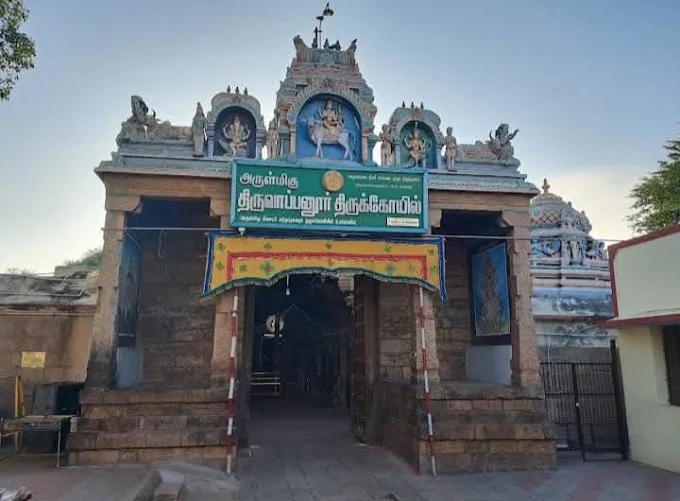
Sri Magudeswarar Temple at Kodumudi is one of the important ancient Shiva temples of Kongu Nadu and one of the Paadal Petra Sthalams praised in the Thevaram hymns. Tirugnana Sambandar, Tirunavukkarasar (Appar) and Sundarar are traditionally associated with hymns praising this sacred place. Erode District Administration identifies Kodumudi as one of the two Paadal Petra Sthalams in Erode district.
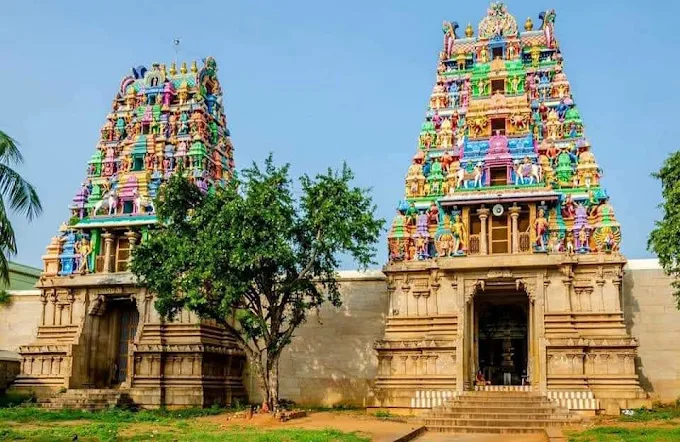
The temple is particularly distinctive because it is a Trimurthi Sthalam. Within the same large temple complex are sacred shrines associated with Shiva, Vishnu and Brahma. The Shiva shrine is associated with Magudeswarar, the Vishnu shrine with Veeranarayana Perumal, and the Brahma shrine preserves the unusual presence of Brahma worship in the same sacred complex. This combination gives Kodumudi an important place in Tamil religious geography.
The presiding Shiva is known as Magudeswarar, also called Kodumudinathar in temple traditions. The Goddess is associated with Vadivudai Nayaki / Soundambikai. The temple's sacred landscape is closely connected with the Cauvery River, which flows beside Kodumudi. The river is not simply a geographical feature here; it forms an integral part of the temple's pilgrimage tradition.
The temple is also associated with Agastya Maharishi. According to the sthala tradition, Agastya worshipped Shiva at Kodumudi. The official HR&CE account preserves the tradition that Shiva blessed Agastya here and that the sacred Cauvery was released at this place through the worship of Agastya and the temple's Kaveri Kanda Vinayakar tradition. A rock across the river is associated with Agastya in local sacred tradition.
Another important legend explains the name Magudeswarar. According to the sthala purana, a contest took place between Adisesha, the divine serpent, and Vayu, the Wind God. During their struggle, the peak of Mount Meru was believed to break into five parts. The diamond portion, representing the crown or magudam of Meru, is traditionally believed to have fallen at Kodumudi. Because the sacred place received this divine crown, Shiva came to be worshipped as Magudeswarar. This is a traditional religious account rather than an archaeological explanation of the place-name.
The temple is also known for its connection with direct sunlight entering the sanctum and falling on the principal deities during particular periods of the year. Erode District Administration records this phenomenon during Avani and Panguni, when direct rays of the Sun illuminate the images of the Swami and Amman for several days.
For pilgrims, Kodumudi therefore brings together several layers of sacred heritage: Thevaram worship, Shiva-Vishnu-Brahma worship, the Cauvery River, Agastya traditions, ancient temple architecture and Kongu Nadu pilgrimage culture. It is particularly valuable for travellers creating a combined Paadal Petra Sthalam + Cauvery river temple + Trimurthi temple itinerary.
The historical and religious identity of Kodumudi is closely associated with the Cauvery River and the ancient Shiva worship of Kongu Nadu. The present Magudeswarar Temple stands on the western bank of the Cauvery, where the river changes its course towards the east. The temple complex developed as an important sacred centre and today preserves shrines dedicated to Shiva, Vishnu and Brahma.
The temple's strongest historical connection is its place in the Thevaram tradition. Tirugnana Sambandar, Appar and Sundarar are associated with hymns praising the deity at Kodumudi. Erode District Administration describes the temple as one of the Paadal Petra Sthalams and records that these three major Shaiva saints visited the place and composed Thevaram hymns. This places Kodumudi within the medieval Tamil Shaiva pilgrimage landscape.
The temple is also traditionally considered to be more than 1,500 years old. The Erode District Administration describes it as a very old temple and records that Pandya kings undertook several renovations. This indicates that the present complex should be understood as the result of multiple stages of construction, patronage and renovation rather than as a monument belonging entirely to one ruler or dynasty.
The official HR&CE history preserves several layers of sacred tradition. It describes Kodumudi as a Trimurthi Sthalam and records the tradition of Brahma obtaining relief from a curse after performing penance towards Shiva. Shiva is said to have granted Brahma permission to establish a shrine here. The same temple tradition associates Agastya with the site and identifies several sacred waters, including the Cauvery, Deva Theertham, Bharadwaja Theertham and Brahma Theertham.
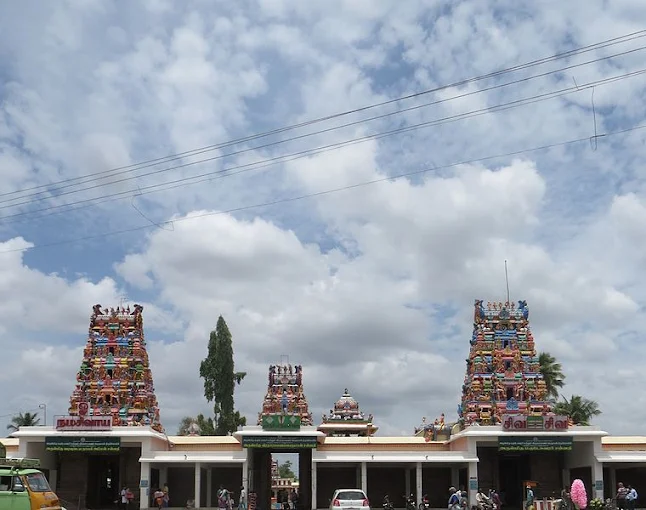
The physical scale of the complex is considerable. Sources describe the east-facing temple as approximately 640 feet long and 484 feet wide, with three eastern entrances corresponding to the major sacred divisions of the complex. The Shiva, Vishnu and Brahma shrines together give the temple its distinctive Trimurthi character.
The temple's sacred geography also contributed to its continuing importance. Pilgrims have traditionally combined Cauvery bathing, temple worship and festival participation. One of the most important annual traditions is Aadi Perukku, when the river's sacred significance becomes especially prominent. Chithirai and Panguni Uthiram are also important festival periods. During Panguni Uthiram, a longstanding pilgrimage tradition connects Kodumudi with Palani, with devotees carrying sacred Cauvery water in kalasams as part of the journey. Erode District Administration records the participation of very large numbers of devotees in this tradition.
The temple therefore represents a long continuity of worship rather than a single historical event. Its Thevaram heritage, multi-period patronage, Trimurthi arrangement, Cauvery setting and continuing festivals make Magudeswarar Temple one of the distinctive sacred centres of Kongu Nadu.
No daily poojas available.
No special rituals available currently.
No festivals available.
Dress Code: Traditional and modest clothing is recommended.
Photography: No
Prasad: Not Available
Prasad Details: Prasadam is available according to temple arrangements.
📍 32.98 km away
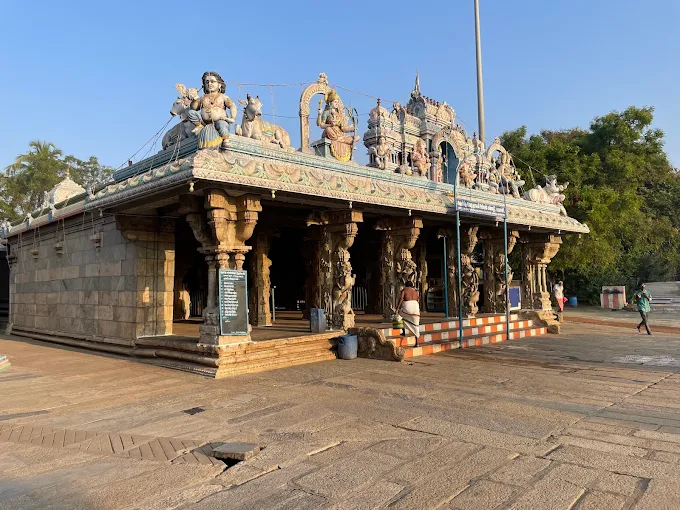
📍 45.79 km away
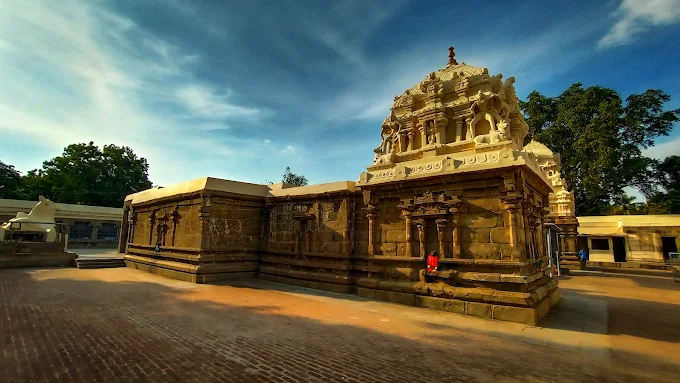
📍 63.75 km away
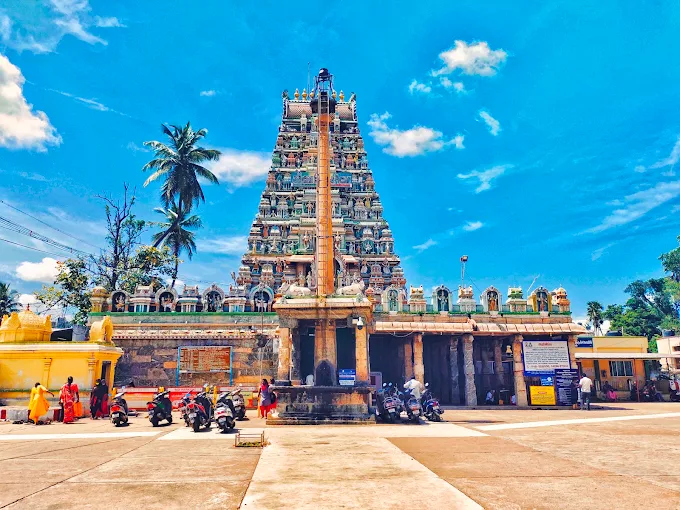
📍 68.84 km away

📍 81.50 km away

📍 86.02 km away
Stays near Sri Magudeswarar Temple, Kodumudi

📍 Near Kurinji Andavar Temple · 102.8 km
stayStarting from ₹2,000 / night

📍 Near Nachiyar Kovil (Thirunarayur Nambi Temple) · 171.7 km
stayStarting from ₹4,500 / night

📍 Near Kasi Vishwanathar Temple · 1,672.1 km
Starting from ₹1,200 / night


📍 Near Kasi Vishwanathar Temple · 1,672.1 km
Starting from ₹1,200 / night
Discover more temples you may be interested in
You may also like these temples