☰
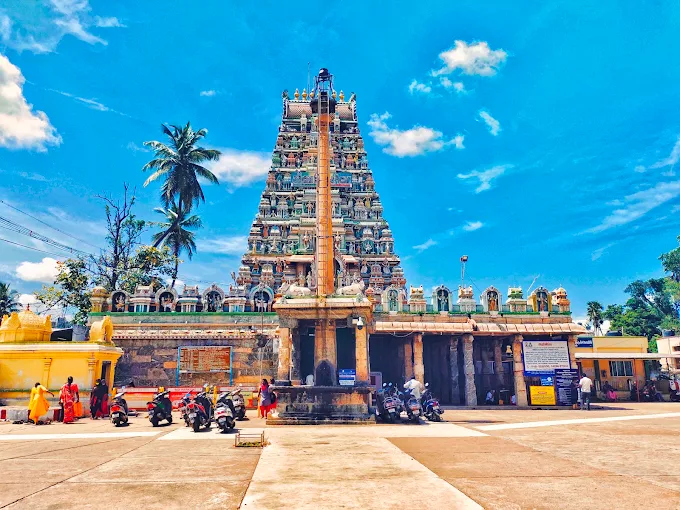
🛕 Lord Shiva | 📍 Avinashi, Tiruppur, Tamil Nadu
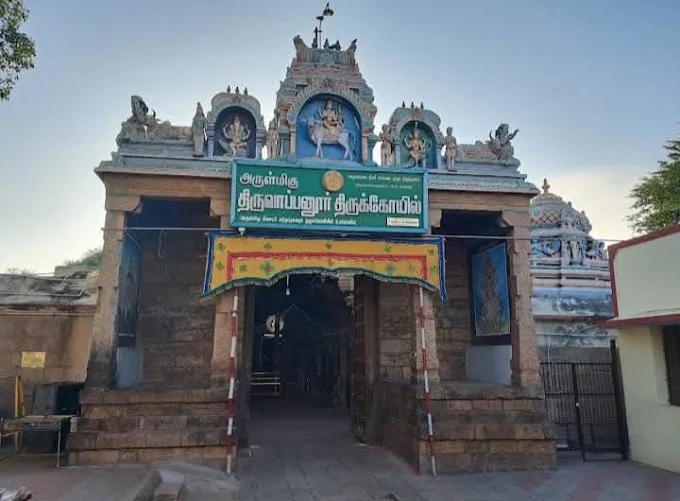
Avinashi Lingeshwarar Temple is one of the most important historic Shiva temples of Kongu Nadu and is traditionally regarded as the first among the seven Thevara Sthalams of the Kongu region. The temple is situated at Avinashi in present-day Tiruppur district and is dedicated to Lord Shiva, worshipped here as Avinashi Lingeshwarar, also known as Avinasiappar. The name Avinashi is associated with the idea of that which cannot be destroyed, giving the sacred town and shrine a distinctive spiritual identity.
The temple has a particularly strong connection with Sundaramurthy Nayanar, one of the celebrated Nayanmars. According to the temple's traditional account, Sundarar visited Avinashi while travelling to meet Cheraman Perumal Nayanar. During his visit he heard sounds of celebration from one house and grief from another. He learned that two boys of the same age had gone to bathe in a temple tank three years earlier. A crocodile had taken one of them, while the other boy had survived.
When Sundarar saw the surviving boy preparing for his Upanayanam, he was deeply moved by the grief of the other family. He sang a devotional hymn before Lord Shiva, praying for the return of the child. Temple tradition says that the crocodile emerged from the tank and released the child, who returned as an eight-year-old boy. This episode is one of the most celebrated traditions associated with Avinashi and forms an important part of the temple's identity.
The shrine is also important for Tamil Shaiva devotional literature. The temple is connected with the Thevaram tradition, while references to the shrine are also associated with works such as Tirumantiram, Tiruvacakam and Tiruppugazh. The government tourism record identifies it as one of the seven Shivastalams of Kongu Nadu and as the first Kongu Thevara Sthalam.
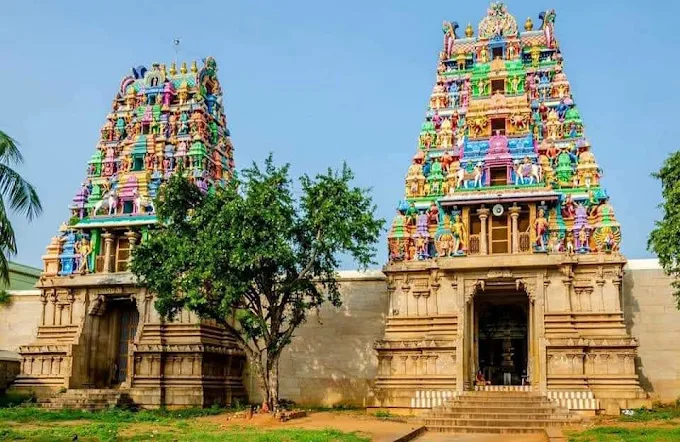
Architecturally, the temple represents the Dravidian temple tradition of western Tamil Nadu. One unusual feature is that the shrine of the Goddess is positioned to the right of the main Shiva sanctum, a configuration specifically noted by the Tiruppur District administration. The temple also has an important shrine for Kala Bhairava, where devotees traditionally offer Vadai Maalai.
Another important sacred feature is Kasi Gangai Theertham, a temple well regarded as significant by devotees. The temple's annual Chithirai celebrations and car festival attract large numbers of pilgrims. The temple chariot is particularly renowned for its elaborate wooden workmanship.
For MandirVaas, Avinashi Lingeshwarar Temple should therefore be presented not simply as an old Shiva temple, but as a Kongu Nadu Thevara pilgrimage centre, a Sundarar-associated shrine, and a temple strongly connected with the traditional story of the child restored from the crocodile.
Avinashi is an old settlement of Kongu Nadu and the temple at the centre of the town developed as an important Shaiva pilgrimage site over several historical periods. The shrine is also known by the older name Tiruppukkozhiyur in historical and devotional traditions.
The present temple complex reflects layers of development rather than the work of a single period. The Tiruppur District Government states that the temple was constructed and maintained during different periods beginning from around the tenth century and records contributions and endowments associated with the Kongu Cholas, Pandyas and Mysore rulers. The same source describes the temple as an important example of Dravidian architecture.
Stone inscriptions provide additional evidence for the temple's historical development. Inscriptions connected with the temple record gifts, endowments and construction activities by different rulers and local patrons. The government tourism account specifically notes extensive endowments by the Cholas, Pandyas and Hoysalas. These records are important because they show that the shrine continued to receive patronage and develop over successive political periods.
The temple's religious importance predates many of the later architectural additions. Avinashi is closely associated with the Tamil Shaiva devotional movement and is traditionally counted among the Thevara Sthalams of Kongu Nadu. The visit of Sundaramurthy Nayanar and the hymn associated with the restoration of the child form a major part of the temple's devotional history. The traditional story is a sacred legend rather than an archaeological event, but it has played a major role in shaping the identity of the pilgrimage centre.
The temple also became an important centre for annual religious festivals. The Chithirai Brahmotsavam and temple car festival are particularly significant. The district administration notes that the temple's wooden chariot is one of the largest temple cars in South India and is renowned for its detailed carvings. The original chariot was damaged by fire in the 1990s and was subsequently rebuilt.
The architecture includes the principal Shiva shrine, the Goddess shrine, mandapas, sacred water features and subsidiary shrines. The unusual placement of the Goddess shrine to the right of the Shiva sanctum is one of the architectural features specifically highlighted in government tourism information. The Kala Bhairava shrine is another important component of the temple's ritual landscape.
The historical importance of Avinashi therefore comes from the combination of early Shaiva devotional tradition, Thevaram association, medieval royal patronage, inscriptions, Dravidian architecture and continuing living worship. Rather than assigning the whole present structure to one dynasty, it is more accurate for MandirVaas to describe the temple as a multi-period historic complex that evolved through successive phases of patronage.
No daily poojas available.
No special rituals available currently.
No festivals available.
Dress Code: Traditional and modest clothing is recommended.
Photography: No
Prasad: Not Available
Prasad Details: Prasadam is available according to temple arrangements.
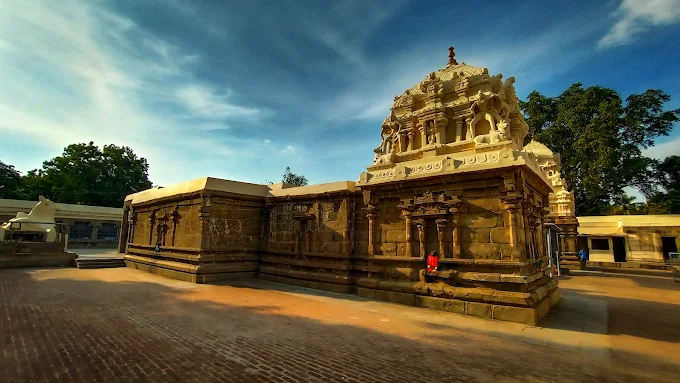
📍 5.42 km away
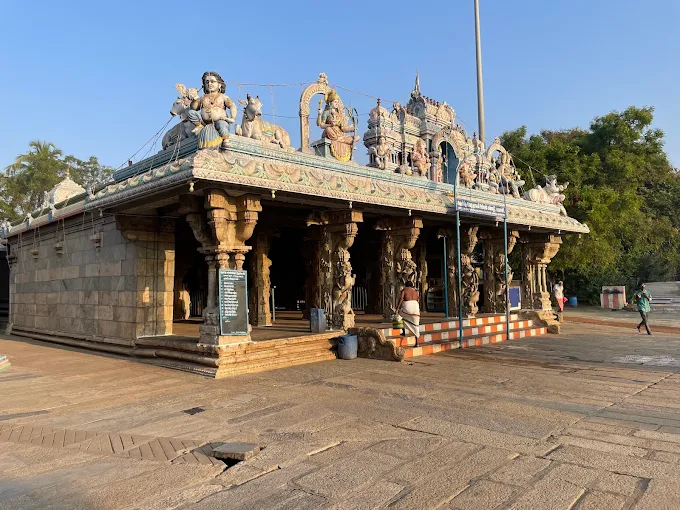
📍 52.86 km away
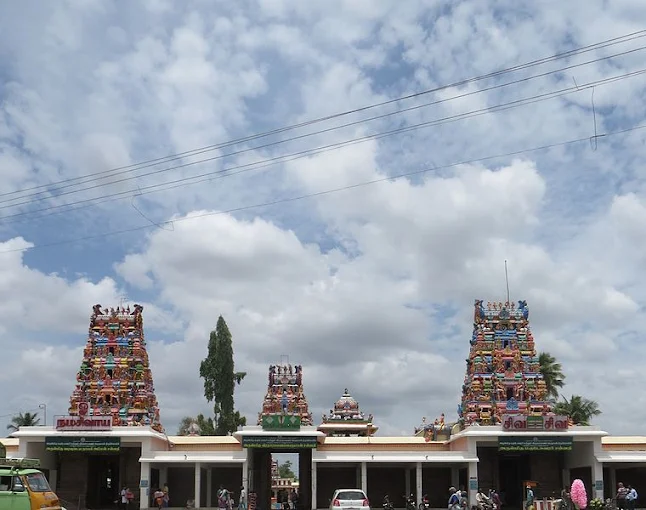
📍 68.84 km away
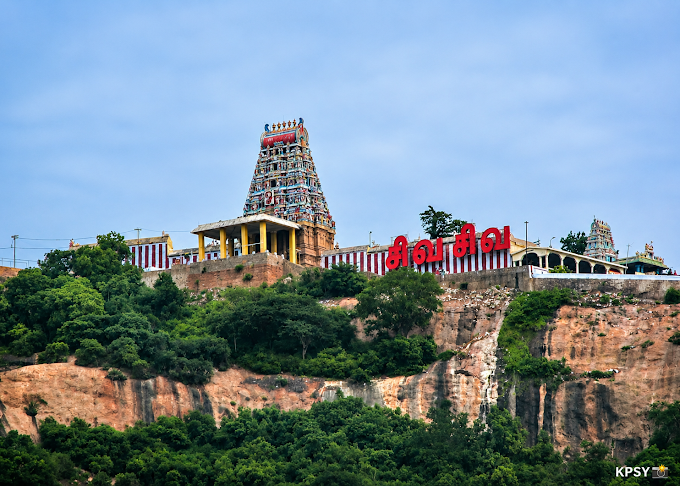
📍 71.65 km away
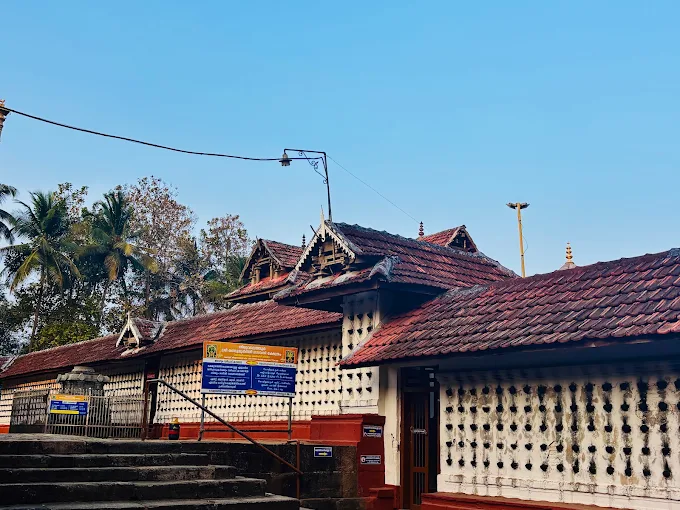
📍 80.46 km away
📍 81.68 km away
Stays near Avinashi Lingeshwarar Temple

📍 Near Kurinji Andavar Temple · 108.2 km
stayStarting from ₹2,000 / night

📍 Near Nachiyar Kovil (Thirunarayur Nambi Temple) · 240.2 km
stayStarting from ₹4,500 / night

📍 Near Kasi Vishwanathar Temple · 1,682.6 km
Starting from ₹1,200 / night


📍 Near Kasi Vishwanathar Temple · 1,682.6 km
Starting from ₹1,200 / night
Discover more temples you may be interested in
You may also like these temples