
☰
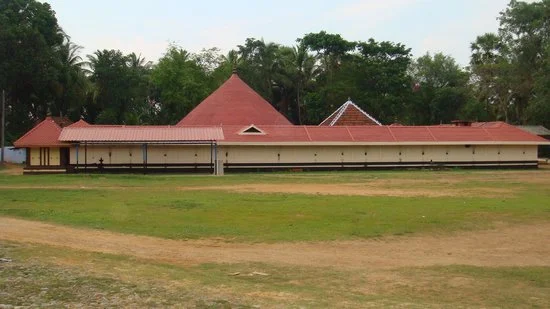
🛕 Lord Jain Tirthankara | 📍 Palakkad, Palakkad, Kerala
Jainimedu Jain Temple is one of the important surviving monuments of Jain heritage in Kerala and stands in the Jainimedu area of Palakkad, on the southern bank of the Kalpathy River. The temple is dedicated to Chandraprabha, the eighth Tirthankara of Jainism. Kerala Tourism describes it as a historic temple of more than 500 years, while its Malabar tourism and Palakkad district sources identify it as a 15th-century Jain temple. It is one of the relatively few places in Kerala where the historical presence of Jainism remains visibly preserved.
The temple is particularly significant for its connection with the Jain communities that once lived in Palakkad. Kerala Tourism records that Jain settlers, including merchant communities associated with Karnataka, established themselves in the region. The temple is traditionally associated with diamond merchants from Karnataka, and the surrounding locality eventually became known as Jainimedu or Jainamedu.
Architecturally, the temple is notable for its granite construction and its collection of Jain religious images. Sources describe images of several Tirthankaras and Yakshinis, including Chandranathan, Vijayalakshmi, Jwalamohini, Rishabhanatha, Parshvanatha and Padmavathi. The main shrine is dedicated to Chandraprabha, while a figure of Kshethrapalan, regarded as a guardian deity, is also associated with the temple.
The temple is approximately 32 feet long and 20 feet wide. Its granite structure and sculptural elements provide an important example of Jain religious architecture surviving within the cultural landscape of Kerala. The Kerala Tourism destination page also describes a combination of Jain architectural elements and traditional Kerala architectural features.
Jainimedu is significant not only as a place of worship but also as evidence of the religious and commercial exchanges that shaped Palakkad's history. The survival of the temple reflects the long-standing presence of Jain communities in Kerala and the interaction between communities arriving through trade and migration routes.
The temple also has an important literary connection. Malayalam poet Kumaranasan is associated with a Jain house in the locality, where he wrote his celebrated poem “Veenapoovu” (The Fallen Flower). This connection adds another dimension to Jainimedu's cultural importance.
For visitors, Jainimedu offers a quieter heritage experience compared with Kerala's larger pilgrimage centres. Its importance lies in the combination of Jain spirituality, historic granite architecture, religious imagery, the Kalpathy River setting and the story of a Jain community that once played a much larger role in Palakkad. The temple therefore represents an important part of Kerala's multi-religious cultural heritage.
Jainimedu Jain Temple is generally dated to the 15th century. Kerala Tourism's Malabar page identifies it as a 15th-century temple, while the current Kerala Tourism destination page describes it more generally as a temple over 500 years old. These descriptions are consistent with a late-medieval origin, although the available tourism sources do not provide a precise construction year.
According to Kerala Tourism, the temple is believed to have been built by two diamond merchants from Karnataka. The history of the temple is therefore closely connected with the movement of Jain merchant communities into Palakkad. The first Jain settlers in the locality are described as Shettys, and their presence gave the area its Jainimedu/Jainamedu identity.
The temple was built using granite and measures approximately 32 feet in length and 20 feet in width. Its surviving religious imagery includes several Jain Tirthankaras and Yakshinis. Chandraprabha is the principal Tirthankara associated with the shrine. Other figures recorded by Kerala Tourism include Rishabhanatha, Parshvanatha, Padmavathi, Jwalamohini and Vijayalakshmi, along with Kshethrapalan. These images provide valuable evidence of the Jain religious tradition that existed in this part of Kerala.
Jainimedu was once home to a considerably larger Jain population. Kerala Tourism records that around 400 Jain families lived in Palakkad during the 17th and 18th centuries. The community faced severe disruption during the invasion of Tipu Sultan in the 18th century. According to the tourism account, many Jain families fled the area, and the temple and its surrounding settlement suffered damage and decline. The displaced families did not return in the same numbers, contributing to the gradual reduction of the Jain population in the locality.
Over time, the temple fell into a state of deterioration. Palakkad District Tourism states that it remained in a dilapidated condition for several years before undergoing renovation in 2013. The renovation was followed by a Panch Kalyanak ceremony, marking an important stage in the revival of Jain religious activity at the site.
The temple's history also forms part of the wider cultural history of Palakkad. The Jain community contributed to the commercial and cultural life of the region, while Jainimedu itself became associated with the literary history of Kerala through Kumaranasan. The poet is said to have stayed in a Jain house in the locality while writing “Veenapoovu” (The Fallen Flower).
Today, Jainimedu Jain Temple remains one of the few surviving Jain religious sites in Kerala. Its importance is not based solely on age but on the evidence it preserves of Jain settlement, trade, religious practice and cultural exchange in Palakkad. The temple's survival, renovation and continued rituals provide a link between the historical Jain community of Palakkad and the present generation.
For MandirVaas, the history should be presented as a Jain heritage story rather than as a conventional Hindu temple history. The 15th-century dating, Karnataka merchant connection, former Jain community, Tipu Sultan-era disruption and 2013 renovation are documented historical elements; stories concerning individual founders or traditional accounts should be clearly identified as tradition where the sources do not establish them as archaeological fact.
No daily poojas available.
No special rituals available currently.
No festivals available.
Dress Code: Modest and respectful traditional/casual clothing. As this is a Jain place of worship, visitors should maintain cleanliness and respect the temple's religious practices.
Photography: No
Prasad: Not Available
Prasad Details: Jain religious offerings/ritual practices; specific prasadam details should be confirmed with the temple management.
📍 6.80 km away
📍 47.11 km away
📍 52.77 km away
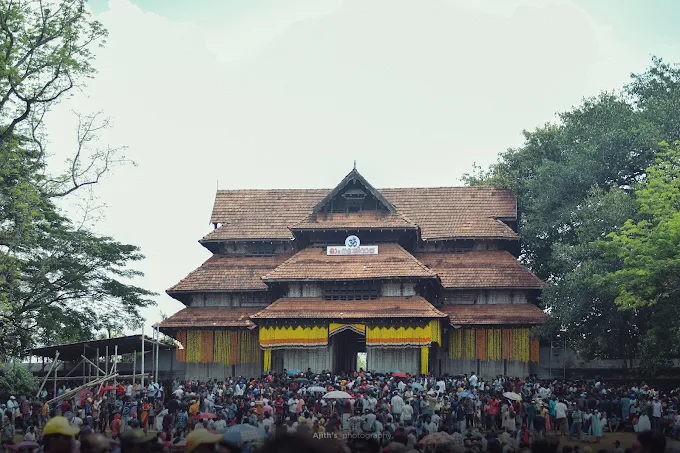
📍 55.05 km away
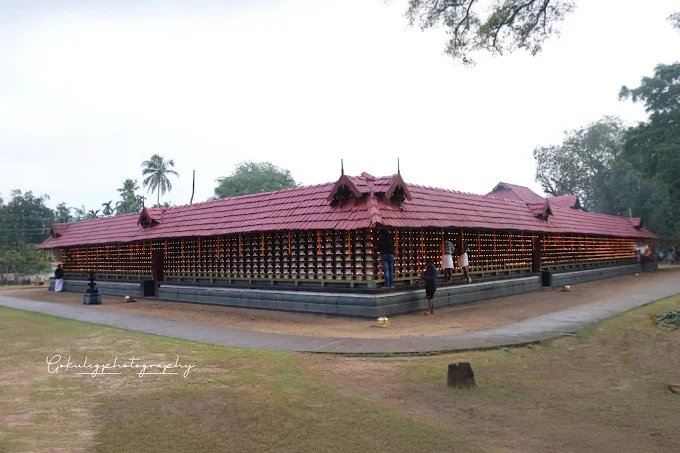
📍 60.83 km away
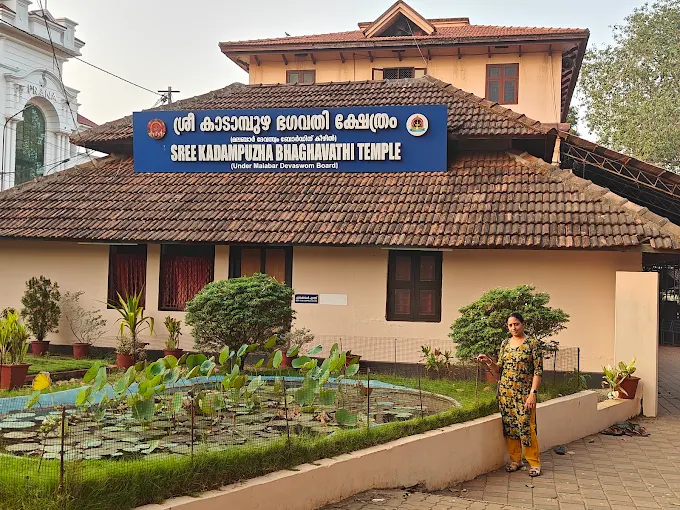
📍 67.73 km away
Stays near Jainimedu Jain Temple

📍 Near Kurinji Andavar Temple · 110.7 km
stayStarting from ₹2,000 / night

📍 Near Nachiyar Kovil (Thirunarayur Nambi Temple) · 308.2 km
stayStarting from ₹4,500 / night

📍 Near Kasi Vishwanathar Temple · 1,748.9 km
Starting from ₹1,200 / night


📍 Near Kasi Vishwanathar Temple · 1,748.9 km
Starting from ₹1,200 / night
Discover more temples you may be interested in