☰
🛕 Lord Shiva | 📍 Thrissur, Thrissur, Kerala
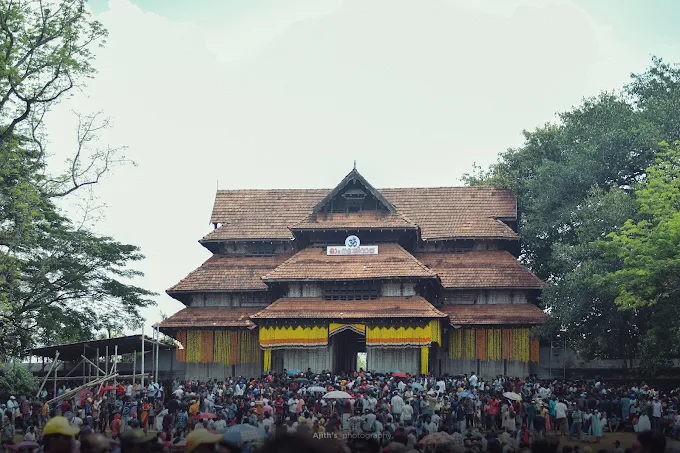
Vadakkumnathan Temple is one of the most important Shiva temples of Kerala and occupies a unique position at the geographical and cultural heart of Thrissur. The temple is dedicated primarily to Lord Shiva worshipped as Vadakkunnathan, while the larger complex also contains important shrines associated with Shankaranarayana, the combined form of Shiva and Vishnu, and Lord Rama. The Thrissur district administration notes that the city itself derives its traditional identity from this ancient Shiva temple, with Thrissur being associated with the older name Thrissivaperur.
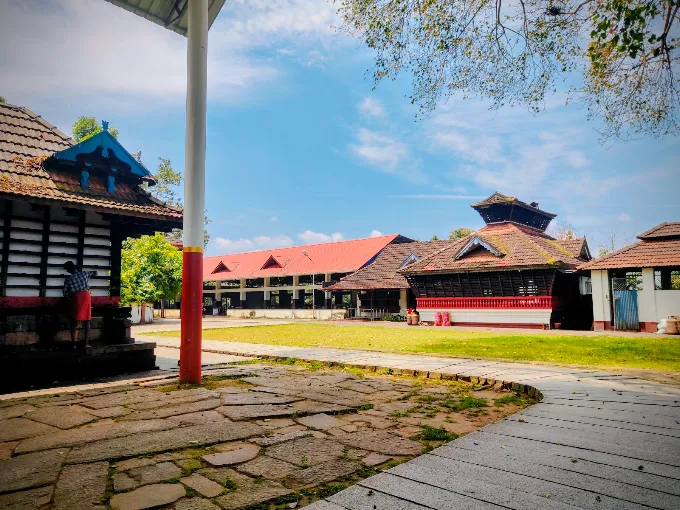
The temple's importance extends far beyond its role as a place of worship. It is one of the finest surviving examples of traditional Kerala temple architecture. The complex is enclosed by massive walls and has four monumental gateways oriented toward the cardinal directions. Within the enclosure are circular and square shrine structures, wooden halls, sculptural details, sloping roofs and the famous Koothambalam, a traditional temple theatre. The Archaeological Survey/IGNCA documentation identifies the complex as a significant example of Kerala-Dravida architecture, with the principal Vadakkunnatha shrine and associated structures displaying different architectural forms.
The murals are another major reason for the temple's cultural importance. Paintings depicting episodes from the Mahabharata and Hindu sacred traditions survive within the complex. IGNCA's documentation identifies important murals dating to approximately the sixteenth and seventeenth centuries. These artworks make the temple valuable not only to devotees but also to historians, conservation specialists and students of Kerala's traditional art.
One of the most distinctive features associated with Vadakkumnathan is the unusual form in which the main Shiva Lingam is worshipped. Popular temple tradition describes the Lingam as being covered by a large accumulated mound of ghee resulting from generations of ritual worship. The visible sacred form therefore differs from the conventional exposed Shiva Lingam found in many temples. This tradition has become one of the temple's most memorable features for pilgrims.
Vadakkumnathan is also inseparable from Thrissur Pooram. The vast Thekkinkadu Maidan surrounding the temple becomes the setting for the famous annual festival, bringing together processions, decorated elephants, parasol displays, percussion performances and fireworks. Kerala Tourism records that the festival was initiated under Sakthan Thampuran and developed with the participation of neighbouring temples including Thiruvambadi and Paramekkavu.
The temple also represents the continuing relationship between religion, architecture, performing arts and community life in Kerala. Its Koothambalam, murals, wooden craftsmanship, festivals and rituals demonstrate that the temple is not merely an isolated shrine but a living cultural institution.
The traditional story connecting Vadakkumnathan with Parashurama adds another layer to its sacred identity. According to temple tradition and Kerala Tourism accounts, Parashurama is believed to have established the temple. This should be understood as a religious tradition rather than a conclusively established archaeological event.
For a pilgrim, therefore, Vadakkumnathan offers several experiences at once: Shiva worship, ancient Kerala architecture, sacred murals, traditional temple theatre, living rituals and the extraordinary cultural spectacle of Thrissur Pooram.
The history of Vadakkumnathan Temple is a combination of documented architectural heritage, continuing religious traditions and legends preserved through generations. It is therefore useful to distinguish between what can be studied through the surviving monument and what belongs to sacred tradition.
The temple is regarded as one of the oldest temples in Kerala. Kerala Tourism describes it as an ancient temple whose architecture, woodwork and murals represent the heritage of the state. Archaeological documentation provides an important additional perspective: the IGNCA/Archaeological Survey record identifies the existing architectural complex as a significant Kerala-Dravida monument and dates the principal architectural forms to approximately the twelfth century, while noting murals from the sixteenth and seventeenth centuries. This indicates that the present temple complex reflects a long process of construction, alteration and artistic development rather than necessarily representing one single building from one historical moment.
The traditional sacred history is much older. According to the popular legend, Parashurama, regarded in Hindu tradition as an incarnation of Vishnu, reclaimed the land of Kerala from the sea and subsequently brought Shiva worship to the region. Another part of the tradition connects Shiva with the original sacred location known as Sri Moola Sthana. According to the legend, the Shiva Lingam was worshipped beneath a large banyan tree before the shrine was eventually shifted to the present temple complex. Kerala Tourism records the Parashurama tradition but presents it as a belief.
The historical temple that developed around this sacred tradition became a major centre of Shaiva worship in central Kerala. The complex gradually acquired the characteristic features that are now associated with Kerala temple architecture: massive enclosure walls, four directional gateways, timber structures, copper-covered roofs, richly carved wooden elements and multiple shrines.
The central complex includes three especially important shrines: Vadakkunnathan representing Shiva, Shankaranarayana representing the combined form of Shiva and Vishnu, and Sri Rama. The Thrissur district government describes the temple's Nalambalam/Chuttambalam complex and its Koothambalam as important elements of the site. The Koothambalam is particularly significant because temple theatres are an important part of Kerala's traditional performance culture.
The murals form another important chapter in the temple's history. Several surviving paintings belong to the historic mural tradition of Kerala, with IGNCA identifying important examples from the sixteenth and seventeenth centuries. Their preservation has helped make Vadakkumnathan significant to the study of traditional Indian mural art.
The temple's modern history is closely connected with Thrissur's transformation into a major cultural centre. Thekkinkadu Maidan surrounds the temple and became the setting for the celebrated Thrissur Pooram. The festival was reorganised under Sakthan Thampuran, the former ruler of Cochin, and brought together neighbouring temples, most prominently Thiruvambadi and Paramekkavu. Over time, the festival developed into one of Kerala's most recognised public cultural celebrations.
The temple has also received formal recognition for its architectural and conservation importance. Kerala Tourism records that its conservation work received an Award of Excellence at the UNESCO Asia-Pacific Awards for Cultural Heritage Conservation. The site is also documented within India's protected heritage framework, demonstrating that the temple is valued not only as an active religious institution but also as an important historic monument.
Today, Vadakkumnathan continues to function as a living temple rather than simply a preserved monument. Daily worship, festivals, traditional arts and community practices continue within the historic architectural setting. The result is a rare combination of sacred continuity and material heritage: a temple where centuries-old architecture and living religious traditions remain closely connected.
No daily poojas available.
No special rituals available currently.
No festivals available.
Dress Code: Traditional/modest Kerala temple attire. Visitors should follow the temple's customary dress rules.
Photography: No
Prasad: Not Available
Prasad Details: Traditional offerings associated with Shiva worship; specific offerings/sevas should be checked with the Devaswom.
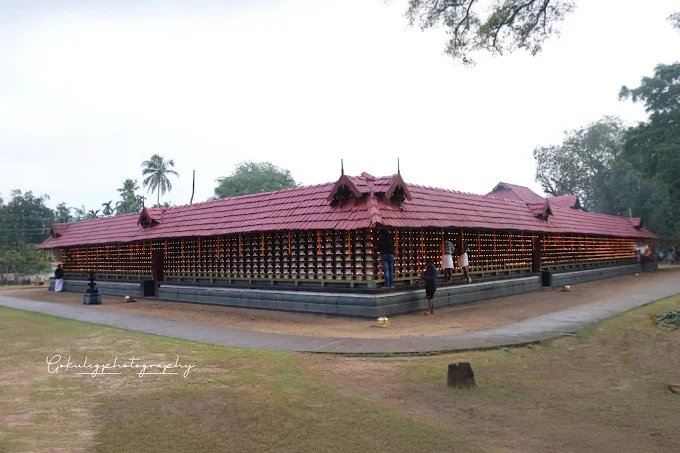
📍 11.92 km away
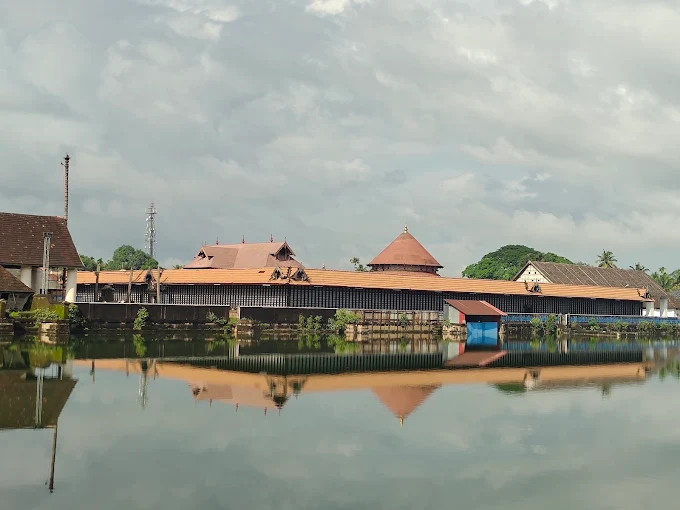
📍 19.84 km away
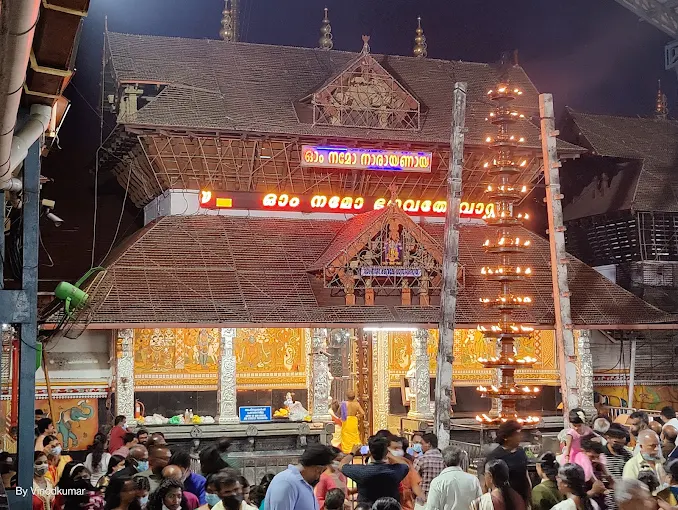
📍 20.67 km away
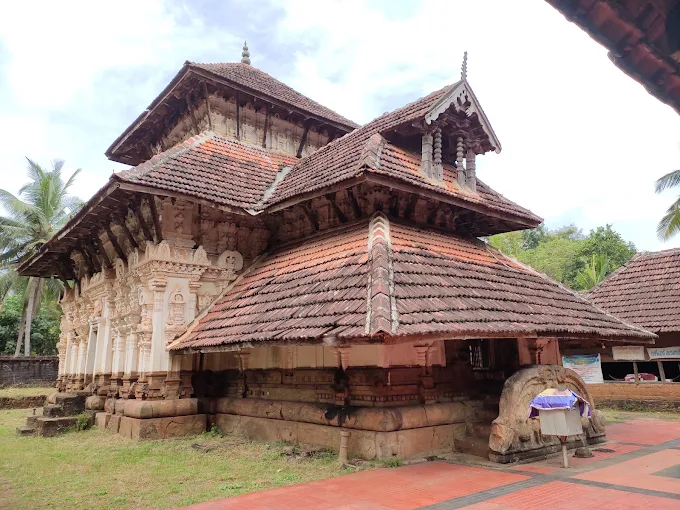
📍 30.98 km away
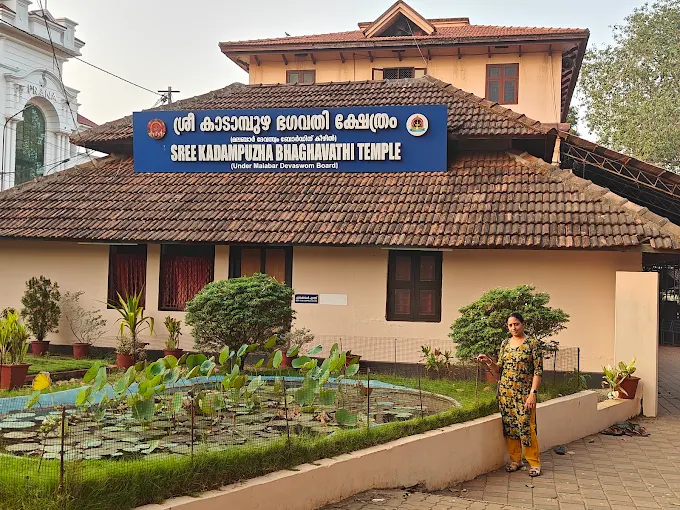
📍 50.24 km away
📍 50.69 km away
Stays near Vadakkumnathan Temple

📍 Near Kurinji Andavar Temple · 143.0 km
stayStarting from ₹2,000 / night

📍 Near Nachiyar Kovil (Thirunarayur Nambi Temple) · 357.9 km
stayStarting from ₹4,500 / night

📍 Near Kasi Vishwanathar Temple · 1,793.4 km
Starting from ₹1,200 / night


📍 Near Kasi Vishwanathar Temple · 1,793.4 km
Starting from ₹1,200 / night
Discover more temples you may be interested in
You may also like these temples