☰
🛕 Lord Krishna | 📍 Guruvayur, Thrissur, Kerala
Guruvayur Sree Krishna Temple is one of the most revered Krishna pilgrimage centres in Kerala and one of the most prominent Vaishnava pilgrimage destinations in South India. The presiding deity is worshipped as Guruvayurappan, a form of Lord Krishna. Because of its deep association with Krishna worship, the temple is popularly known as the “Dwaraka of the South,” while another traditional name used for Guruvayur is “Bhooloka Vaikuntha,” meaning the earthly abode of Lord Vishnu. These are devotional and cultural descriptions rather than classifications such as the Divya Desam tradition. The Thrissur district administration describes Guruvayur as the abode of Lord Guruvayurappan and records its continuing importance as a major pilgrimage centre.
The central deity is worshipped in a form of Krishna associated with Vishnu's divine presence. According to temple tradition, the sacred idol has a very ancient origin and is connected with a theological narrative involving Brihaspati, Vayu, Shiva and Parvati. These traditions are part of the sacred history of Guruvayur and are best presented as religious tradition rather than archaeological evidence. The continuing importance of the deity is seen in the enormous number of devotees who visit the temple throughout the year.
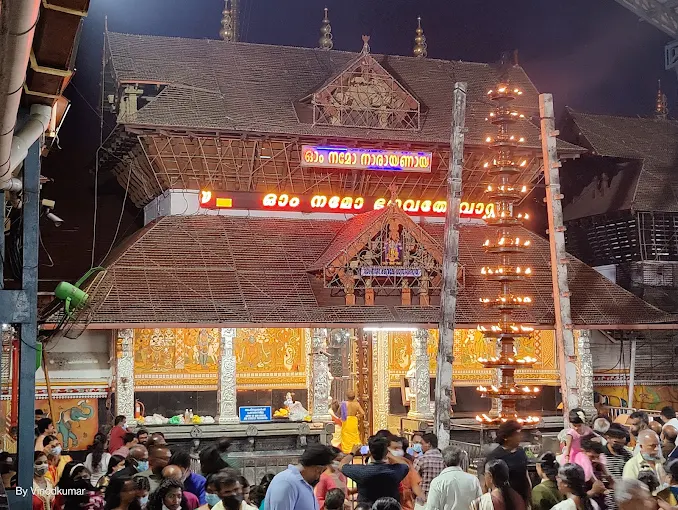
The temple's architecture adds another dimension to its significance. Unlike the monumental stone temple complexes commonly associated with some parts of India, Guruvayur represents the distinctive traditional architecture of Kerala. The temple faces east and has eastern and western gopurams known as Kizhakkenada and Padinjarenada. The square Nalambalam surrounds the inner sacred area, while the Sreekovil houses the principal deity. Kerala Tourism specifically highlights the Balikkal, Nalambalam and Deepastambam as important architectural elements.
The Deepastambam is among the most recognisable features of Guruvayur. The eastern lamp pillar is approximately 24 feet high and contains thirteen circular levels for lamps. When illuminated, it creates a striking visual experience, particularly during important temple occasions. The temple's approximately 70-foot gold-covered Dwajasthambam is another landmark that immediately distinguishes Guruvayur from many other temples.
The temple's traditional murals are equally significant. The walls of the sanctum are decorated with murals associated with Kerala's historic temple-art tradition, with Kerala Tourism identifying important paintings as dating from the seventeenth century. These artworks provide an important visual connection between devotion, mythology and Kerala's traditional painting culture.
Guruvayur is also particularly important because worship here extends beyond ordinary darshan. Thulabharam is one of the temple's most famous offerings. In this ritual, a devotee is weighed against a chosen offering such as bananas, sugar, jaggery or coconuts, which is then offered to the deity. The temple is also a major centre for Hindu weddings, making it a place associated with important family and life events as well as pilgrimage.
The annual Guruvayur Utsavam, generally held during February–March, is another major expression of the temple's religious identity. The ten-day festival includes processions, illumination and traditional rituals. The opening of the festival is associated with Guruvayur Aanayottam, the famous elephant race. Kerala Tourism records that the winner traditionally receives the honour of carrying the Thidambu, the processional representation of Guruvayurappan, during important occasions.
Guruvayur Ekadasi is another major annual observance. It takes place during the Malayalam month of Vrischikam and is associated with extended devotional activities, special worship and the Chembai music festival. The music festival honours the legendary Carnatic musician Chembai Vaidyanatha Bhagavatar and has become an important part of Guruvayur's cultural identity.
For pilgrims, therefore, Guruvayur is more than a famous Krishna temple. It is a living centre where Vaishnava devotion, Kerala architecture, mural painting, traditional ritual, music, festivals, weddings and community life have remained closely connected for generations.
The history of Guruvayur Sree Krishna Temple is deeply intertwined with the sacred traditions of Kerala. It is important, however, to distinguish between the temple's religious legends and the surviving historical and architectural evidence. Guruvayur is traditionally regarded as an extremely ancient Krishna shrine, while the present architectural complex represents centuries of reconstruction, renovation and preservation.
The most important traditional account concerns the origin of the sacred Krishna image. According to the religious tradition associated with Guruvayur, the idol was worshipped by Brahma and later came into the possession of other divine figures before being brought to Kerala. The story connects the installation of the deity with Brihaspati, the guru of the Devas, and Vayu, the god of wind. Because of this association, the deity came to be known as Guruvayurappan — essentially the Lord of Guruvayur associated with Guru and Vayu.
Another part of the tradition connects the deity with Lord Shiva and Parvati. According to the sacred narrative, Shiva is said to have worshipped the Krishna image and later directed Guru and Vayu to install it at the present sacred location. These accounts are central to the religious identity of Guruvayur, but they belong to the temple's sacred tradition rather than being independently verified archaeological history.
The traditional name Guruvayur itself is commonly explained through the association of Guru and Vayu with the installation of the deity. The resulting shrine became a major centre of Krishna worship and eventually acquired the devotional title “Dwaraka of the South.”
The surviving temple architecture provides a different historical layer. Kerala Tourism states that the central shrine is believed to have been reconstructed in 1638 CE. The temple's present appearance reflects the traditional Kerala architectural style, with an east-facing Sreekovil, Nalambalam, Balikkal, Deepastambams and eastern and western gopurams.
The temple complex also preserves historic mural traditions. The sanctum walls are decorated with murals associated with Kerala's temple-art heritage, with Kerala Tourism identifying important examples as dating to the seventeenth century. These paintings demonstrate how religious storytelling was incorporated directly into the architectural environment of the shrine.
Over the centuries, Guruvayur developed into a major pilgrimage centre. Its reputation was strengthened by the belief that worshipping Guruvayurappan provides spiritual protection and blessings. The temple also developed an extensive system of offerings and rituals, among which Thulabharam became particularly famous.
The temple's history also includes periods of difficulty and reconstruction. Like many historic temples in Kerala, Guruvayur's structures have undergone repeated repairs and rebuilding over the centuries. The survival of the traditional architectural form, despite these changes, is one of the reasons the temple remains culturally significant today.
The twentieth century added another important chapter to Guruvayur's history through the Guruvayur Satyagraha of 1931–32. The movement became part of Kerala's social and political history and was associated with the demand for temple-entry rights for communities that had historically been excluded from Hindu temples. The Thrissur district government notes a memorial obelisk at Guruvayur commemorating the Satyagraha and K. Kelappan, one of the prominent figures associated with the movement.
Guruvayur's cultural history also grew through its festivals. The annual Utsavam, Guruvayur Ekadasi, Ashtami Rohini and Vaishakam became important occasions for devotional gatherings. Guruvayur Aanayottam developed into a distinctive ritual tradition associated with the beginning of the annual festival.
Guruvayur Ekadasi later became particularly important for the temple's musical tradition. The Chembai music festival, conducted in honour of Chembai Vaidyanatha Bhagavatar, brought large numbers of Carnatic musicians into the temple town and strengthened Guruvayur's identity as a centre of both devotion and classical music. The Thrissur district administration describes the festival as involving a large gathering of Carnatic musicians during the Ekadasi celebrations.
Today, Guruvayur remains a living temple rather than simply an ancient monument. Its historical importance comes from the combination of sacred tradition, surviving Kerala architecture, mural art, rituals, festivals, music and the continuing participation of millions of devotees. The temple's story therefore cannot be reduced to one date or one construction event. It is a continuously evolving religious and cultural institution whose present form carries traces of many centuries of Kerala's history.
No daily poojas available.
No special rituals available currently.
No festivals available.
Dress Code: Men: Plain white or cream dhoti/mundu. Women: Saree, skirt with blouse or churidar are listed by Kerala Tourism as acceptable.
Photography: No
Prasad: Not Available
Prasad Details: Prasadam is available according to temple arrangements.
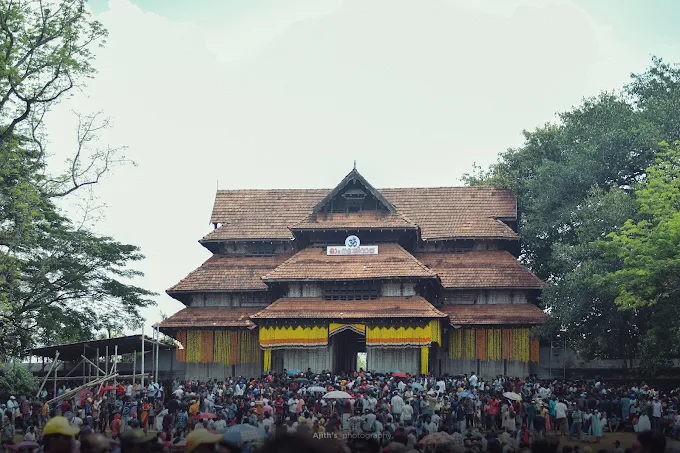
📍 20.67 km away
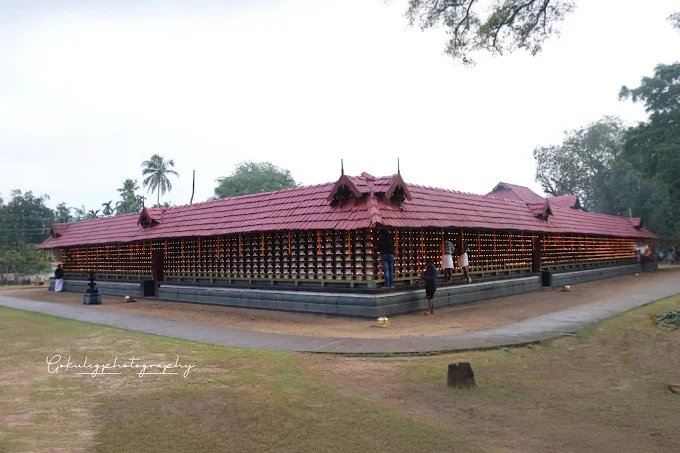
📍 28.61 km away
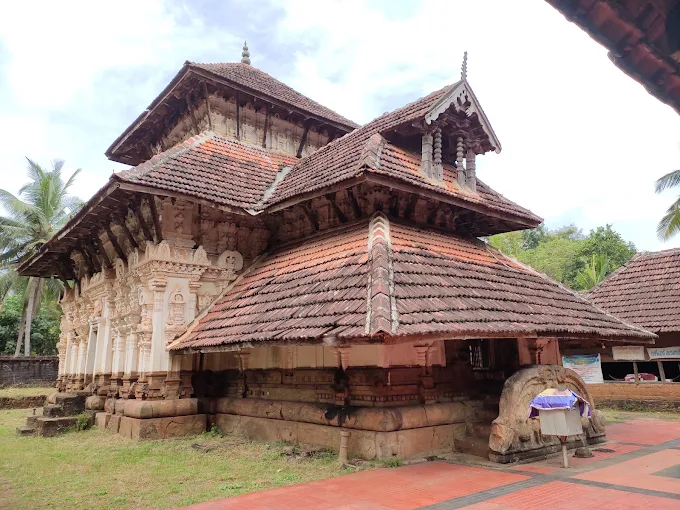
📍 29.85 km away
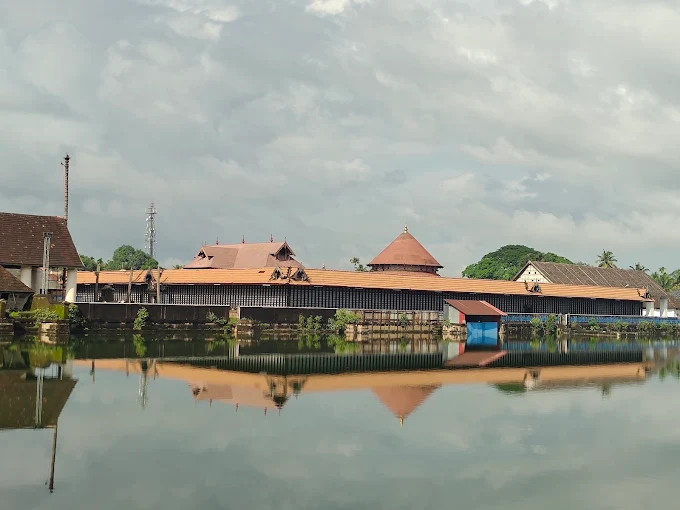
📍 32.77 km away
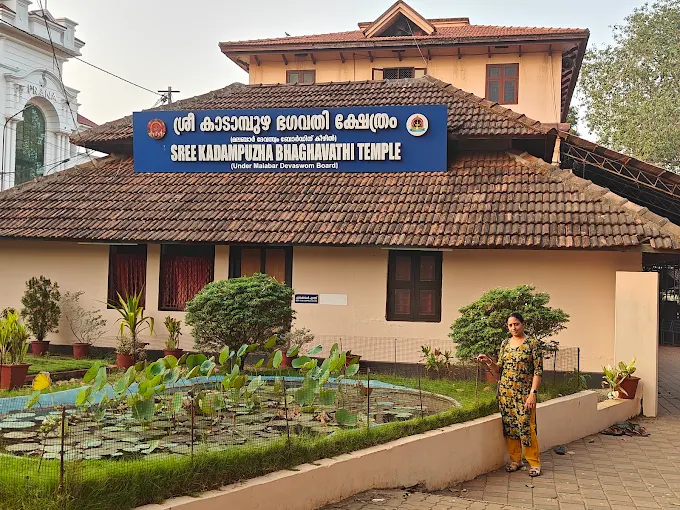
📍 38.84 km away
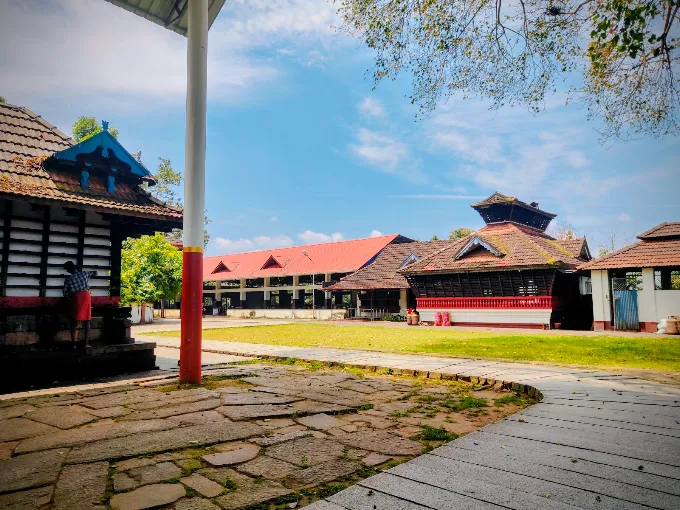
📍 46.38 km away
Stays near Guruvayur Sree Krishna Temple

📍 Near Kurinji Andavar Temple · 163.4 km
stayStarting from ₹2,000 / night

📍 Near Nachiyar Kovil (Thirunarayur Nambi Temple) · 375.9 km
stayStarting from ₹4,500 / night

📍 Near Kasi Vishwanathar Temple · 1,793.7 km
Starting from ₹1,200 / night


📍 Near Kasi Vishwanathar Temple · 1,793.7 km
Starting from ₹1,200 / night
Discover more temples you may be interested in
You may also like these temples