☰
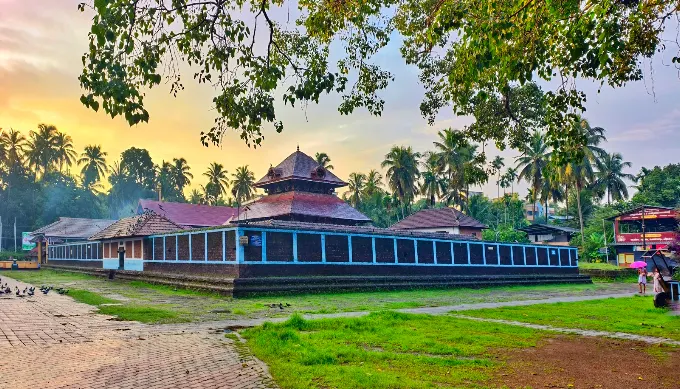
🛕 Lord Krishna | 📍 Taliparamba, Kannur, Kerala
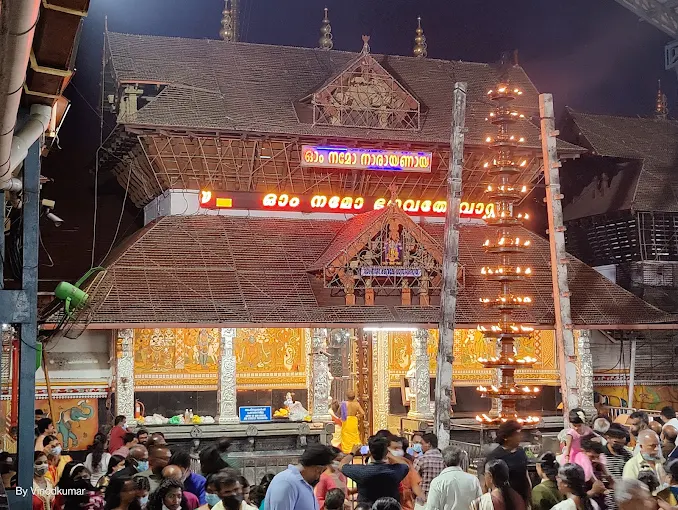
Trichambaram Temple is one of the distinctive Krishna temples of Kerala, situated at Trichambaram near Taliparamba in Kannur district. Unlike the peaceful flute-playing image commonly associated with Lord Krishna, the principal deity here is traditionally worshipped in Raudra Bhava, the intense or fierce state following the destruction of Kamsa. Kerala Tourism identifies Trichambaram as an important centre of the Vaishnava tradition and highlights this unusual representation of Krishna as one of the temple's defining characteristics.
The spiritual atmosphere of the temple is closely connected with the Krishna–Kamsa episode from Hindu tradition. According to the traditional narrative, Krishna travelled to Mathura, confronted the tyrant Kamsa and defeated him. Trichambaram's principal image is understood as Krishna immediately after this victory, giving the deity a powerful and unusual expression. This theological symbolism makes the temple particularly interesting for devotees who wish to experience a form of Krishna worship that differs from the more familiar child Krishna, Venugopala or Parthasarathy traditions.
The temple is also celebrated for its artistic heritage. The sanctum is a two-storeyed structure, and its walls contain traditional carvings and murals associated with the 15th and 16th centuries. These artistic elements transform the temple into not only a place of worship but also an important example of Kerala's religious art and architecture.
Another major attraction is the annual Trichambaram Mahotsavam, generally held during March. The festival is famous for its unique Thidambu Nritham, in which sacred images of Krishna and Balarama are carried and ceremonially danced. The celebrations are particularly notable because elephants are traditionally absent from the festival. Local tradition connects this practice with the story of Kamsa sending the elephant Kuvalayapeeda against Krishna.
The festival therefore combines devotion, mythology, music, percussion, ritual dance and community participation. The sacred images of Krishna and Balarama are central to the festival's dramatic rituals, including the traditional concluding Koodipiriyal ceremony representing the brothers' separation.
Trichambaram is therefore significant on several levels: as a Krishna pilgrimage centre, as a centre of Vaishnava worship, as a repository of Kerala mural and architectural traditions, and as the home of one of North Kerala's most distinctive temple festivals. For MandirVaas, it is particularly valuable as a temple entry because its combination of Krishna worship, Kamsavadham tradition, historic murals and Thidambu Nritham gives pilgrims a strong cultural and spiritual reason to visit.
The exact original date of construction of Trichambaram Temple is not firmly established by surviving documentary evidence. Kerala Tourism describes the shrine as a historic Vaishnava centre whose origins predate the 10th century, while the National Mission on Monuments and Antiquities records the Trichambaram Vishnu Temple within a broad 9th–10th century CE period. Kerala Tourism's festival documentation also notes that there is no definitive documentary evidence establishing the exact date when the present sacred site was first built.
The temple's traditional history is closely connected with the sage Shambara. According to local tradition, the place was associated with the meditation or penance of Maharishi Shambara, and the name Trichambaram is traditionally connected with this association. A historical district source also records the tradition that the temple's consecration was associated with Shambara Maharshi. These accounts should be understood as religious tradition rather than independently established archaeological fact.
There is, however, evidence that the temple had an established historical presence by the medieval period. Kerala Tourism's festival documentation refers to the Sanskrit work Mooshakavamsa, associated with the court poet Athulan of the Kolathiri period, and records a tradition that the temple was renovated by Vallabhan II around the 11th century. This provides an important historical context for understanding the temple's long-standing significance in the Taliparamba region.
The architectural heritage visible today reflects the long evolution of Kerala temple architecture. The main sanctum is a two-storeyed structure, and the complex contains traditional Kerala-style architectural elements, woodwork and sculptural details. The murals and carvings associated with the sanctum are particularly important, with Kerala Tourism dating them broadly to the 15th and 16th centuries.
The temple's religious identity developed around Krishna worship, especially the representation of Krishna following the destruction of Kamsa. The temple complex also contains associated shrines, including a Durga shrine situated in the middle of a temple tank. Other traditional sources mention additional subsidiary deities within the wider sacred complex.
Over time, Trichambaram became closely associated with the distinctive annual Mahotsavam celebrated during the Malayalam months of Kumbham and Meenam. The festival traditionally lasts around two weeks and includes Kodiyettam, ritual performances, Thidambu Nritham, Aarattu and the concluding Koodipiriyal ceremony. One of its most distinctive features is the participation of Krishna and Balarama in the ritual performances, symbolising the relationship between the divine brothers.
The Thidambu Nritham associated with Trichambaram is especially important to the temple's cultural history. During the festival period, the sacred images are ceremonially carried to Pookoth Nada, where the traditional dance is performed. This has helped preserve an important form of North Kerala ritual performance and has made the festival a major cultural event in the Kannur–Taliparamba region.
Today, Trichambaram remains an important pilgrimage and heritage temple in North Kerala. Its significance comes not from a single historical date, but from the combination of an ancient Vaishnava tradition, medieval literary references, traditional architecture, historic murals, Krishna worship and a distinctive festival culture that continues to connect the temple with the wider community.
No daily poojas available.
No special rituals available currently.
No festivals available.
Dress Code: Traditional and modest attire is recommended. Men traditionally wear a Kerala mundu/dhoti and may be required to remove their shirt before entering the inner temple area. Women are advised to wear traditional or modest clothing.
Photography: No
Prasad: Available
Prasad Details: Commonly associated offerings include Unniyappam, Payasam and other traditional nivedyam. Unniyappam is particularly associated with the temple in some local accounts.
📍 19.26 km away
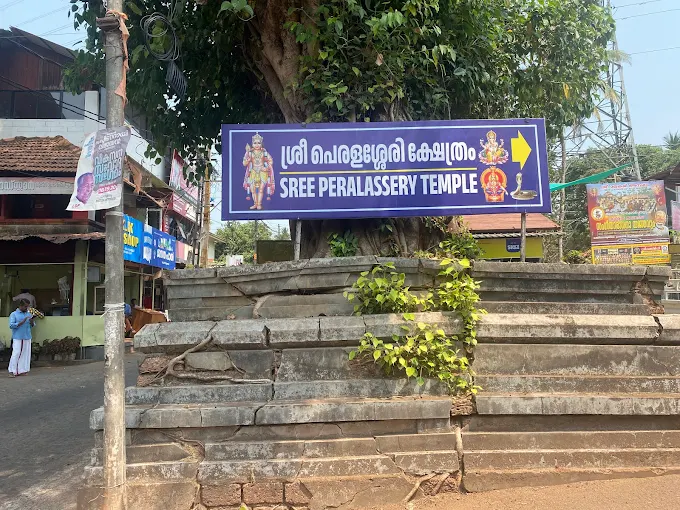
📍 25.51 km away
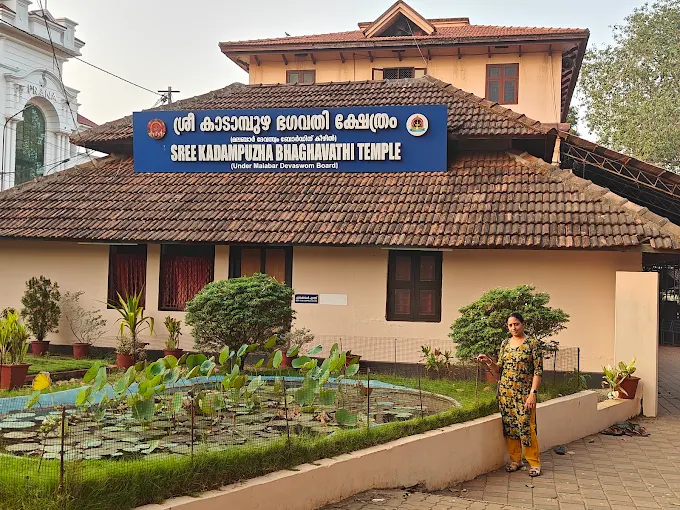
📍 141.55 km away
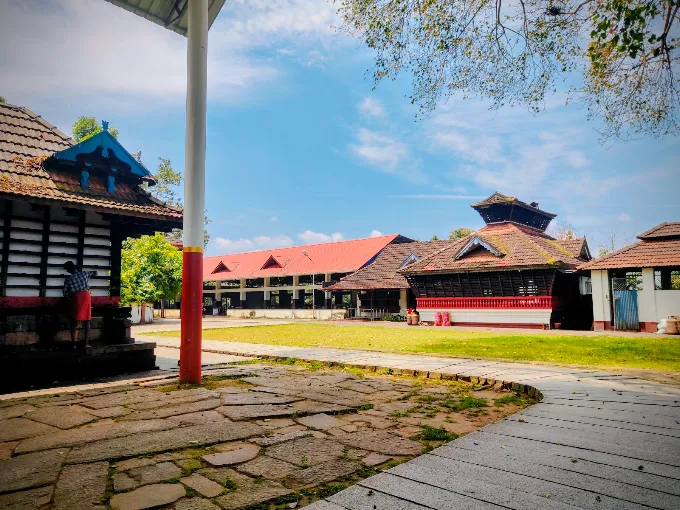
📍 148.02 km away
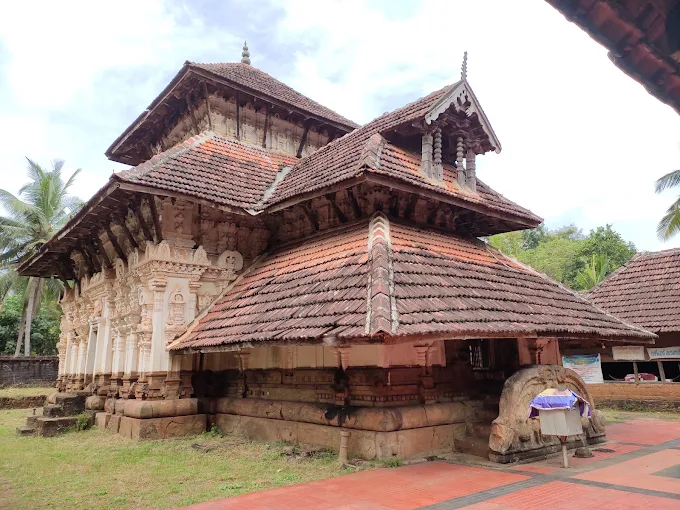
📍 164.63 km away
📍 175.72 km away
Stays near Trichambaram Sree Krishna Temple

📍 Near Kurinji Andavar Temple · 305.4 km
stayStarting from ₹2,000 / night

📍 Near Nachiyar Kovil (Thirunarayur Nambi Temple) · 460.9 km
stayStarting from ₹4,500 / night

📍 Near Kasi Vishwanathar Temple · 1,680.6 km
Starting from ₹1,200 / night


📍 Near Kasi Vishwanathar Temple · 1,680.6 km
Starting from ₹1,200 / night
Discover more temples you may be interested in
You may also like these temples