
☰
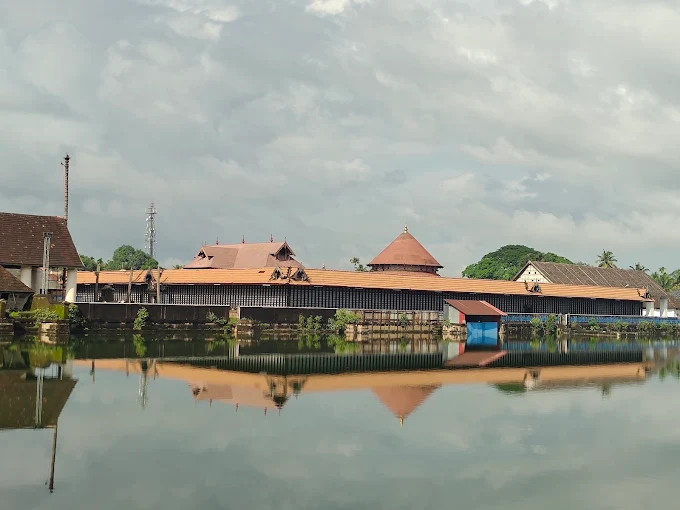
🛕 Lord Bharata | 📍 Irinjalakuda, Thrissur, Kerala
Irinjalakuda Sree Koodalmanikyam Temple holds an exceptional place in Kerala's sacred landscape because the principal deity worshipped here is Lord Bharata, the brother of Lord Rama in the Ramayana. Kerala Tourism identifies Koodalmanikyam as the only temple in India dedicated to Bharata, making it especially important for devotees interested in Ramayana traditions and the worship of the four brothers of Rama. Rather than being simply another Rama-associated temple, Koodalmanikyam gives Bharata an independent and central place in temple worship.
The deity is also known as Sangameswara, and the name Koodalmanikyam is understood as the Malayalam form of the Sanskrit expression Sangameswara. The temple's official tradition also preserves a fascinating explanation for the name. According to temple folklore, an unusual radiance was once noticed from the forehead of the deity. A precious quartz stone associated with the ruler of Kayamkulam was brought for comparison, but, according to the legend, the stone slipped from the hand and merged with the radiant object associated with the deity. This story is a traditional explanation for the name Koodalmanikyam and should be presented as folklore rather than archaeological history.
The temple is particularly important as one of the four Nalambalam shrines of central Kerala. The four temples represent the four brothers of the Ramayana: Sree Rama at Triprayar, Bharata at Irinjalakuda, Lakshmana at Moozhikkulam and Shatrughna at Payammal. During the Malayalam month of Karkidakam, devotees undertake the Nalambalam pilgrimage, visiting all four temples in a single pilgrimage circuit. The tradition connects temple worship with the reading and remembrance of the Ramayana during the Ramayana month.
Another remarkable feature is the temple's architecture. The complex follows the traditional Kerala style, with imposing gateways, a circular sanctum with a copper-covered roof, elaborate wooden and stone carvings, mural paintings and a large Koothambalam or temple theatre. The eastern gateway is particularly impressive and has been protected as a monument by the Archaeological Department. These features make Koodalmanikyam relevant not only to pilgrims but also to people interested in Kerala architecture, temple arts and cultural heritage.
The worship itself has several unusual characteristics. The temple traditionally restricts floral offerings to three principal flowers — lotus, tulasi and the West Indian jasmine/chethi tradition described by temple sources. The temple is also known for its distinctive ritual system and fewer daily pujas than many other Kerala temples. The official temple festival calendar highlights Thriputhari, when newly harvested rice is offered to the deity, followed by Mukkudi, an Ayurvedic preparation associated with the temple's ritual tradition.
The annual 11-day Thiruvutsavam, held in April–May, is another major attraction. The festival brings together ritual, music, traditional arts and decorated elephants and forms an important part of central Kerala's temple-festival calendar. The temple's Koothambalam has also historically been associated with Kerala performance traditions including Koothu, Koodiyattam and Kathakali.
For a MandirVaas visitor, Koodalmanikyam is therefore not merely a place to “see a temple.” It is a destination where Ramayana tradition, Bharata worship, Nalambalam pilgrimage, Kerala architecture, temple theatre, ritual customs and living festival culture come together in one remarkable sacred complex.
The history of Koodalmanikyam Temple is surrounded by a mixture of documented institutional history, architectural evidence and traditional legends. The exact origin of the earliest shrine is not completely clear. Kerala Tourism states that the temple is believed to have been built around the 15th century, while the history preserved by the temple and government sources contains older traditions concerning the establishment and sacred identity of the site. Therefore, the temple's ancient origins should be described carefully rather than assigning a precise founding date without qualification.
One of the principal traditional stories concerning the origin of the four Nalambalam temples tells of Vakkay Kaimal, a local chieftain. According to the tradition preserved by the Kerala Devaswom Recruitment Board, the chieftain had a dream in which he was told that four idols had been washed ashore and that they should be consecrated at four different places. Following the instructions, the idols were installed at Triprayar, Irinjalakuda, Moozhikkulam and Payammal, establishing the four temples associated with Rama and his brothers. The Irinjalakuda shrine became the temple of Bharata. This is a sacred origin tradition and should be clearly identified as legend rather than archaeological proof.
Another tradition concerns the name Koodalmanikyam. The temple's official history says that the deity was once believed to emit an unusual radiance. A quartz stone connected with the Kayamkulam royal household was brought for comparison. According to the story, the stone slipped from the person's hand and merged with the radiant object associated with the deity. The combination of the two “manikyams” is traditionally associated with the name Koodalmanikyam. The temple website also records that a similar radiance was believed to have appeared again in 1907.
The temple developed under the patronage and administrative systems of Kerala's historic ruling houses. The official temple account records connections with the former Maharaja of Cochin and the administration of the Thachudaya Kaimal. It also records a historical land grant associated with Cheraman Perumal Bhaskara Ravi Varma. In 1971, the Government of Kerala took over the administration through a special order, and the temple is now managed through the Koodalmanikyam Devaswom system.
Architecturally, the temple represents the mature traditions of Kerala temple construction. Its circular sanctum, copper-covered roof, large gateways, wooden and stone carvings, murals and Koothambalam form a distinctive architectural ensemble. The eastern gateway is protected as an archaeological monument. The Koothambalam also gave the temple an important role in preserving and presenting traditional performing arts. The temple's official history records connections with Koothu, Koodiyattam, Kathakali and Thullal, while also mentioning the Irinjalakuda-born poet Unnai Warrier and his association with the temple.
The ritual history of the temple is equally distinctive. Koodalmanikyam follows a particular worship system that differs from many other Kerala temples. Temple sources describe three principal daily pujas and a distinctive absence of certain customary practices found elsewhere. The floral offerings are also restricted to specific traditional flowers. These differences have helped preserve a separate ritual identity for the Bharata shrine.
The annual Thiruvutsavam became one of the temple's major cultural institutions. The official festival history describes an 11-day celebration in April–May, featuring Vedic and Tantric rituals, music, fine arts and ceremonial events. The 2026 official programme records flag hoisting on April 28 and Arattu on May 8, showing that the festival continues as a major living tradition rather than merely a historical observance.
The history of Koodalmanikyam therefore cannot be reduced to a single construction date. Its identity has been shaped by Bharata worship, Nalambalam traditions, royal and Devaswom administration, Kerala architectural heritage, temple arts and centuries of living ritual practice. This combination of mythology, cultural memory, architecture and continuing worship is what gives the temple its enduring importance.
No daily poojas available.
No special rituals available currently.
No festivals available.
Dress Code: Traditional and modest clothing is recommended.
Photography: No
Prasad: Not Available
Prasad Details: Thamara Mala (lotus garland), Vazhuthinanga Nivedyam, Mukkudi, Neyyappam, Palpayasam and other temple offerings.
📍 8.59 km away
📍 19.84 km away
📍 32.77 km away
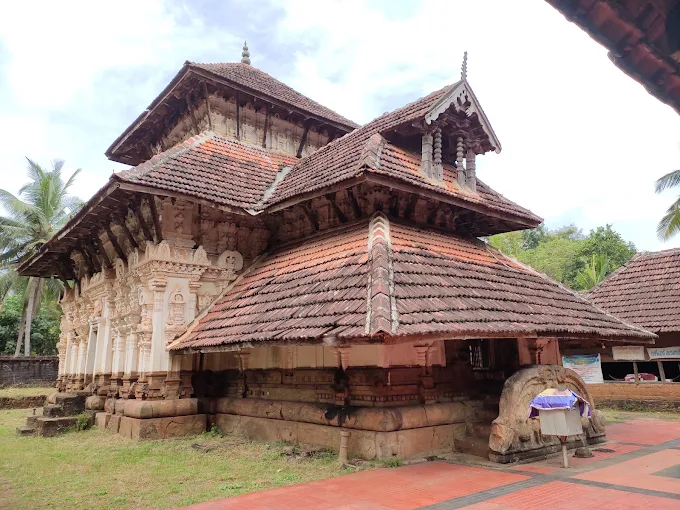
📍 50.78 km away
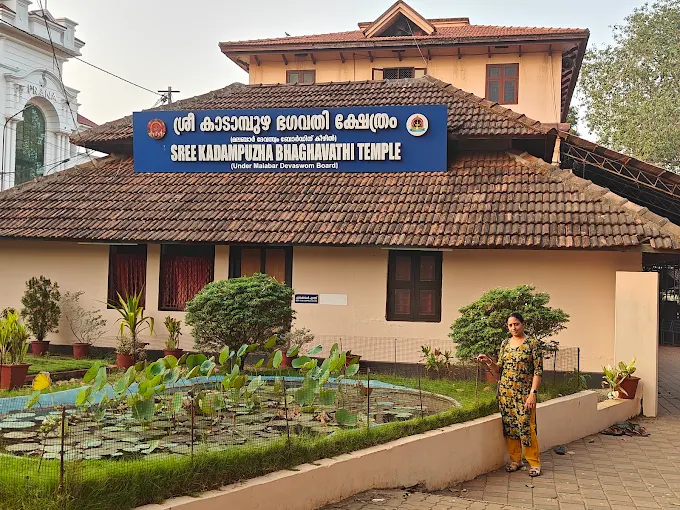
📍 68.62 km away
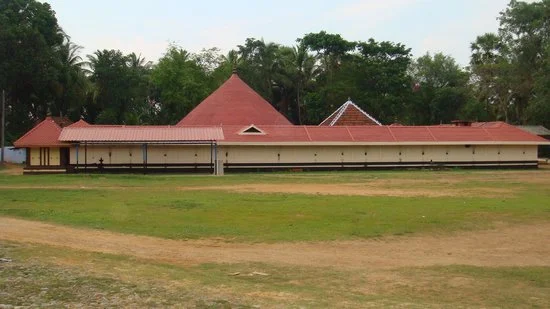
📍 68.64 km away
Stays near Irinjalakuda Sree Koodalmanikyam Temple

📍 Near Kurinji Andavar Temple · 141.5 km
stayStarting from ₹2,000 / night

📍 Near Nachiyar Kovil (Thirunarayur Nambi Temple) · 362.8 km
stayStarting from ₹4,500 / night

📍 Near Kasi Vishwanathar Temple · 1,812.3 km
Starting from ₹1,200 / night


📍 Near Kasi Vishwanathar Temple · 1,812.3 km
Starting from ₹1,200 / night
Discover more temples you may be interested in