☰
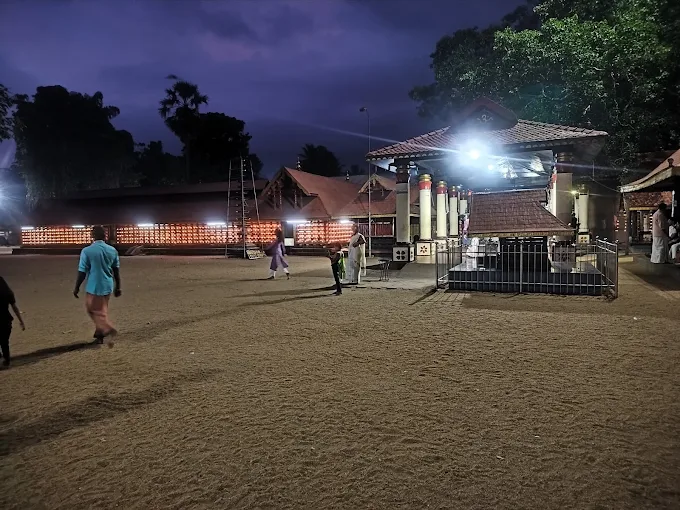
🛕 Lord Devi | 📍 Chettikulangara, Alappuzha, Kerala
Chettikulangara Bhagavathy Temple, located in the Onattukara region of Alappuzha district, is one of Kerala's most important Bhagavathy temples and is especially renowned for its worship of Sree Bhadrakali. The temple is not simply known for its ancient religious tradition; it is also a major centre of Kerala's living folk culture, ritual arts and community celebrations. Kerala Tourism describes Chettikulangara as one of the renowned Devi temples of Kerala, with Sree Bhadrakali as the principal deity. The temple's identity is strongly connected with the people and traditional communities of the surrounding thirteen karas, or local regions.
The deity is worshipped as Bhadrakali, a powerful manifestation of Devi. According to the temple's own tradition, the consecration has a distinctive ritual character, and the deity is understood through different forms of Shakti during the daily worship cycle. The temple's official information describes morning worship in the form of Maha Saraswathi, noon worship as Maha Lakshmi and evening worship as Sri Durga or Bhadrakali. This symbolic sequence connects the same divine mother with knowledge, prosperity, protection and fierce divine power.
One of the greatest reasons Chettikulangara has become famous throughout Kerala is the extraordinary Kumbha Bharani festival. Celebrated in the Malayalam month of Kumbham, generally during February or March, the festival transforms the surrounding region into a huge expression of devotion and community participation. The highlight is Kettukazhcha, during which enormous decorated structures representing horses, chariots and figures associated with the epics are brought towards the temple. The structures are prepared collectively by the different karas, making the festival as much a community cultural event as a religious celebration.
The scale of Kettukazhcha is one of the most visually distinctive features of the temple. Some of the structures can reach extraordinary heights, and the preparation involves large numbers of people working for weeks. The thirteen karas traditionally participate in the festival, bringing their own elaborate offerings and structures. Horses known as Kuthira, chariots called Theru, and large representations of Bhima, Hanuman and Panchali form part of the spectacular procession. The huge structures are eventually positioned in the fields near the temple before the Devi is ceremonially taken in procession to bless them.
Another important tradition is Kuthiyottam. It is a ritual performance associated particularly with Chettikulangara Bharani and has been practised as an offering to the deity for generations. Young boys traditionally learn the ritual dance in their homes before participating in the ceremonial procession to the temple. The performance combines dance, music, ritual discipline and community participation. Because some aspects of the ritual involve physical practices, visitors should observe it respectfully as a religious ceremony rather than treating it simply as a tourist performance.
Chettikulangara is also known for several distinctive rituals throughout the year. Jeevatha Ezhunnallathu and Parayeduppu are traditional customs associated with the region. During Parayeduppu, the presence of the goddess is ritually taken to different locations, strengthening the connection between the deity and the surrounding communities. The temple also conducts Kalamezhuthu and Pattu for a traditional 41-day period beginning in Vrischikam. These practices preserve forms of ritual art, music and devotional expression that are closely associated with Kerala's Bhagavathy worship.
The temple's significance also extends into Kerala's oral tradition. There are numerous stories explaining how the temple came into existence and how Chettikulangara Bhagavathy became connected with Kodungallur Bhagavathy. These stories should be understood as temple legends and local traditions rather than automatically treated as documented historical events. The temple's official website itself presents them under the category of Aithihyams, or legends.
The temple therefore represents much more than a conventional pilgrimage shrine. It is a living centre where Bhadrakali worship, traditional ritual arts, village organisation, festivals, music, dance, craftsmanship and community identity come together. The extraordinary Kettukazhcha, the ritual Kuthiyottam, the thirteen-karas tradition and the continuing worship of Chettikulangara Bhagavathy make the temple one of the most culturally distinctive sacred destinations in Kerala.
Chettikulangara Bhagavathy Temple has a long and layered history, but the exact date of its origin is not established with complete certainty. Kerala Tourism describes it as an ancient temple believed to be more than 1,200 years old, while the temple's own official website preserves several different origin traditions. Because of this, the history of Chettikulangara should be presented by separating traditional legends from historically verifiable information. The temple's importance today comes not only from its age but from the remarkable continuity of its rituals, festivals and community traditions.
The most popular traditional story about the temple's origin begins with local chieftains who travelled to the nearby Koypallikarazhma Bhagavathy Temple to attend its annual festivities. According to the temple's official Aithihyam, the visitors were humiliated and ridiculed by the authorities and local leaders there. Upset by the experience, they decided to establish their own Bhagavathy temple at Chettikulangara. The people of the area united behind the idea, and the heads of several prominent families, known as Karanavars, took responsibility for the project.
The story continues with a pilgrimage to Kodungallur. According to the temple tradition, the local leaders and devotees travelled to Kodungallur and undertook twelve days of Bhajanam to seek the blessings of Kodungallur Bhagavathy. They eventually returned to Chettikulangara with the conviction that the goddess would protect their new shrine. This account is important to the temple's cultural identity, but it should be clearly labelled as a traditional origin legend rather than an independently documented historical event.
Another important feature of the temple's religious history is its connection with Kodungallur Bhagavathy. Local tradition describes Chettikulangara Bhagavathy as having a close relationship with the goddess of Kodungallur. One popular story says that the Chettikulangara goddess visits her mother at Kodungallur during the Meena Bharani celebrations. This relationship is reflected in several festival customs and helps explain why Kodungallur occupies such an important place in the temple's ritual imagination.
The temple's religious system also developed distinctive forms of worship. The official temple website states that the deity is worshipped through different conceptual forms during the three principal daily poojas: Maha Saraswathi in the morning, Maha Lakshmi at noon and Sri Durga or Bhadrakali in the evening. A Salagrama associated with the Kayamkulam Maharaja is traditionally said to have been installed in the Garbhagriha, while a Ganapathi image is also associated with the consecration tradition. These traditions demonstrate the layered theological character of the temple.
Over time, Chettikulangara became deeply connected with the thirteen karas surrounding the temple. These local divisions developed their own community organisations and responsibilities connected with temple festivals. The preparation of Kettukazhcha is perhaps the clearest expression of this relationship. Each kara traditionally organises its own elaborate structure, with large groups of residents participating in design, construction, decoration and procession. The festival has therefore preserved not only religious devotion but also local craftsmanship and collective organisation.
Kumbha Bharani eventually became the temple's most famous festival. The festival is held during Kumbham on the day associated with the Bharani star. Its major features include Kuthiyottam and Kettukazhcha. The gigantic structures are brought through the surrounding villages towards the temple, and the goddess is taken in procession to bless them. Kerala Tourism describes the festival as a spectacular expression of the region's religious and cultural heritage.
The temple also preserves other distinctive traditions such as Parayeduppu, Jeevatha Ezhunnallathu, Ethirelppu Ulsavam and Aswathy Ulsavam. Ethirelppu is particularly connected with the thirteen-karas system, with different communities taking responsibility for successive days of the festival. The official temple website also records the continuation of traditional ritual arts and musical practices associated with these celebrations.
Another important part of the temple's cultural history is Thottampattu. According to temple legend, a travelling singer encountered Bhagavathy and was inspired to compose and sing devotional songs in her praise. The descendants of his family are traditionally associated with singing Thottampattu during the Ethirelppu festival. Again, this should be presented as a traditional temple legend rather than independently verified biography.
Today, Chettikulangara Bhagavathy Temple remains a major centre of Bhadrakali worship and one of the most visually and culturally distinctive temple traditions in Kerala. Its history is best understood not simply as the story of an old building, but as the continuing history of a community. The thirteen karas, Kettukazhcha, Kuthiyottam, Parayeduppu, Jeevatha, Thottampattu and annual festivals together demonstrate how the temple has remained deeply integrated with the social and cultural life of Onattukara.
No daily poojas available.
No special rituals available currently.
No festivals available.
Dress Code: Traditional and modest clothing is recommended.
Photography: No
Prasad: Not Available
Prasad Details: Prasadam is available according to temple arrangements.

📍 10.45 km away
📍 21.39 km away
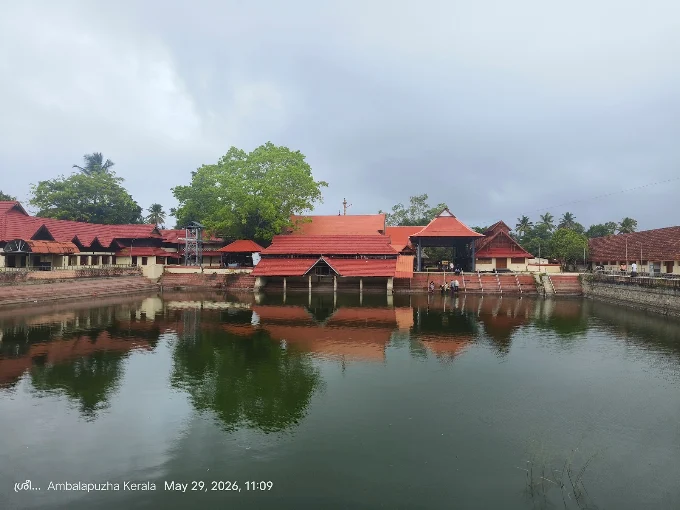
📍 23.72 km away
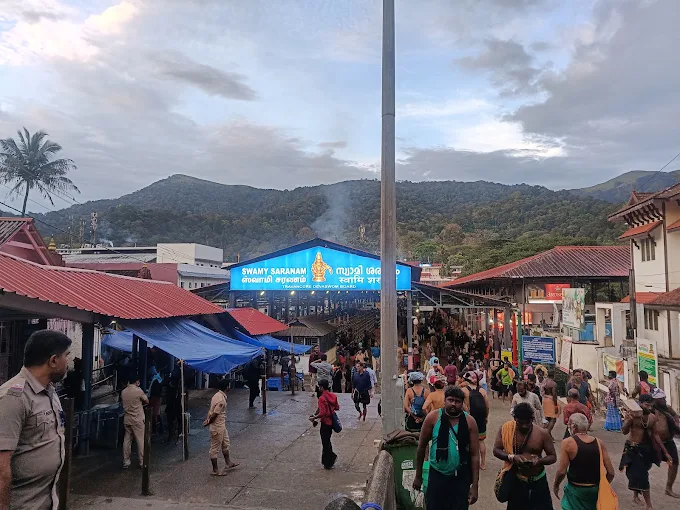
📍 64.00 km away
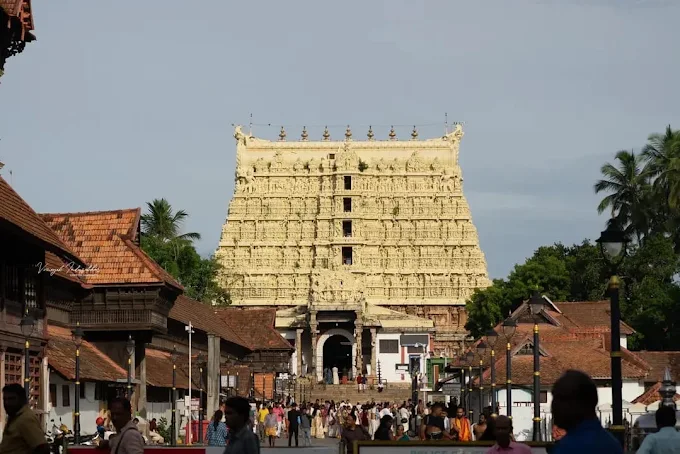
📍 95.15 km away

📍 99.77 km away
Stays near Chettikulangara Bhagavathy Temple

📍 Near Kurinji Andavar Temple · 155.0 km
stayStarting from ₹2,000 / night

📍 Near Nachiyar Kovil (Thirunarayur Nambi Temple) · 376.1 km
stayStarting from ₹4,500 / night

📍 Near Kasi Vishwanathar Temple · 1,915.6 km
Starting from ₹1,200 / night


📍 Near Kasi Vishwanathar Temple · 1,915.6 km
Starting from ₹1,200 / night
Discover more temples you may be interested in
You may also like these temples