☰
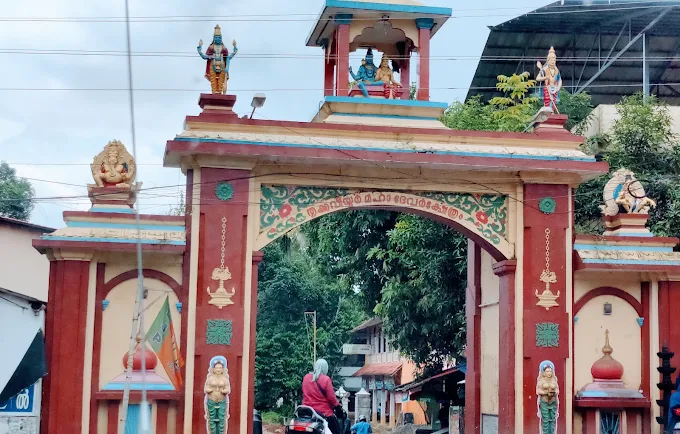
🛕 Lord Shiva | 📍 Kaviyoor, Pathanamthitta, Kerala
Kaviyoor Mahadeva Temple, also known as Thrikkaviyoor Mahadeva Temple, is one of the most remarkable ancient Shiva temples in Kerala's Pathanamthitta district. Situated in the historic Kaviyoor region near Thiruvalla, the temple is important not only for devotees but also for people interested in Kerala's architecture, archaeology, sculpture and traditional temple culture. Kerala Tourism describes the shrine as an ancient Shiva temple associated with Pallava-style architecture and some of the earliest examples of stone sculpture in Kerala.
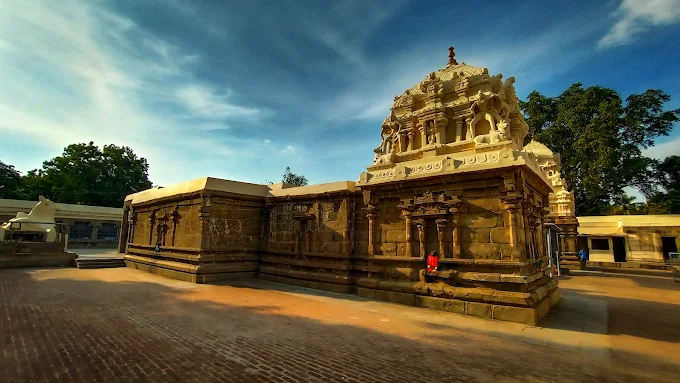
The presiding deity is Lord Shiva, worshipped in the form of a Shivalinga. One of the most distinctive features of the temple is the solid-rock Shivalinga housed within a square, cave-like sanctum. This rock-cut character gives Kaviyoor an identity quite different from many of Kerala's later temples, where timber and traditional Kerala-style structures dominate the architecture. The ancient stone carvings and sculptures around the shrine add another layer of historical importance.
The temple is particularly interesting because it combines living religious tradition with archaeological heritage. The site is preserved as an important monument, yet it continues to function as an active place of worship. Visitors can therefore experience the temple not simply as an ancient structure but as a sacred place where generations of devotees have continued their traditions.
Although Shiva is the principal deity, the temple complex is also closely associated with Lord Hanuman. A Hanuman shrine stands on a nearby hillock and is an important part of the Kaviyoor pilgrimage experience. The shrine is known for its distinctive gable-style Kerala architecture and for traditional offerings such as Aval Nadyam and Vada Mala.
Kaviyoor is also surrounded by fascinating traditions from Indian epics. A popular local tradition connects the temple with the Pandavas and their mother Kunti during their period of exile. According to the legend, they stayed in this region, created a rock shelter and established a Shiva shrine. Kerala Tourism records this as part of the mythology surrounding the temple; it should be understood as a sacred tradition rather than established archaeological history.
The temple's importance therefore comes from several layers coming together: Shiva worship, ancient rock-cut architecture, early stone sculpture, Hanuman devotion, Kerala craftsmanship and Mahabharata traditions. For a traveller, this makes Kaviyoor more than a quick darshan destination. It is a place where history and faith can be explored together.
A visit becomes especially rewarding when travellers take time to observe the stone carvings, understand the architecture, visit the Hanuman shrine and learn about the traditions associated with the site. Kaviyoor offers a rare opportunity to see how an ancient sacred monument can remain part of a living religious landscape.
Kaviyoor Mahadeva Temple has a long and layered history, but its exact original date is not completely settled. This is important because different official sources provide different historical dating. Kerala Tourism associates the rock-cut temple with approximately the 8th century CE, based on its architectural characteristics and similarity to the Pallava style. The Pathanamthitta district administration, meanwhile, describes the temple as being constructed in the early years of the 10th century and refers to the Kaviyoor Shasanas of around 950 CE, which record gifts made to the temple.
Rather than treating one date as absolute, the history of Kaviyoor is better understood as the history of a sacred site that developed over several centuries. The surviving rock-cut shrine represents an early phase, while later additions and wooden architectural elements reflect the continuing development of the temple complex.
The ancient rock-cut shrine is the most important historical feature. The temple is associated with Pallava-style architecture and contains stone carvings considered among the earliest examples of stone sculpture in Kerala. Sculptures associated with Ganapathy, Dwarapalakas and sages provide valuable evidence of the artistic and religious traditions of the period.
The Kaviyoor Shasanas, associated with around 950 CE, are particularly valuable because they provide documentary evidence of the temple's existence and religious importance during the medieval period. The records referring to gifts made to the temple indicate that it was already an established religious institution at that time.
Over the centuries, the temple continued to develop. The Pathanamthitta district administration notes that some of the Darusilpas, or wooden sculptural elements seen around the temple, belong to the 17th century. This means that the temple we see today represents several historical layers rather than a structure belonging to only one period.
Kaviyoor's history is also enriched by the traditional story connecting the temple with the Pandavas. According to local belief, Kunti and the Pandava brothers visited this region during their exile and established a Shiva shrine here. Kerala Tourism records this as part of the mythology surrounding Kaviyoor. While there is no archaeological evidence establishing the Pandavas as historical builders of the temple, the story remains an important part of the temple's cultural identity.
The nearby Hanuman Temple adds another important chapter to Kaviyoor's religious history. The shrine is dedicated to Hanuman and is particularly notable for its distinctive gable-style architecture, a form associated with Kerala's traditional temple design. The annual festival associated with the Hanuman shrine has been celebrated since the early 20th century, according to Kerala Tourism's festival documentation.
Today, Kaviyoor Mahadeva Temple represents a rare combination of ancient archaeology and living worship. The rock-cut shrine preserves the memory of Kerala's early stone-working tradition, the inscriptions provide glimpses into medieval temple patronage, and the later wooden structures demonstrate the evolution of Kerala's architectural traditions.
For visitors, this makes Kaviyoor particularly special. Every part of the temple tells a different story: the rock speaks of ancient craftsmanship, the inscriptions speak of historical patronage, the sculptures reveal an older artistic tradition, while the continuing rituals show that the temple is still very much alive.
Kaviyoor is therefore not simply an old Shiva temple. It is a living heritage site where history, architecture, mythology and devotion have continued together across centuries.
No daily poojas available.
No special rituals available currently.
No festivals available.
Dress Code: Men are generally expected to wear traditional attire such as dhoti/mundu and remove shirts before entering the inner temple areas. Women should wear traditional or modest clothing.
Photography: No
Prasad: Not Available
Prasad Details: Aval Nadyam and Vada Mala are notable offerings associated especially with the Hanuman shrine. Other customary poojas and offerings are also available.
📍 21.39 km away

📍 21.63 km away
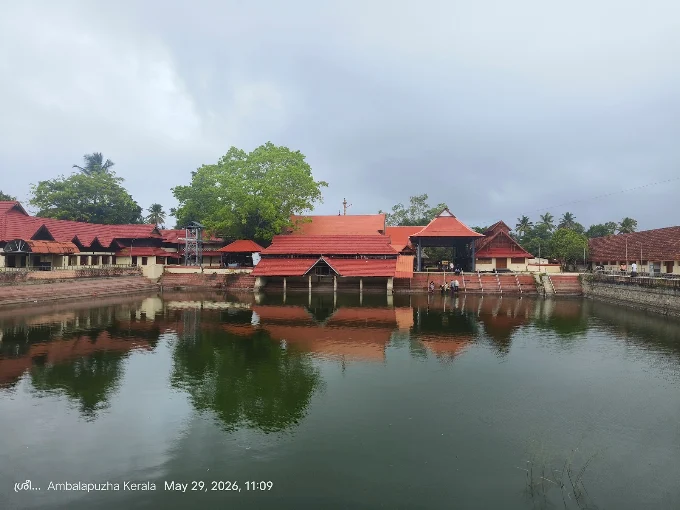
📍 26.47 km away
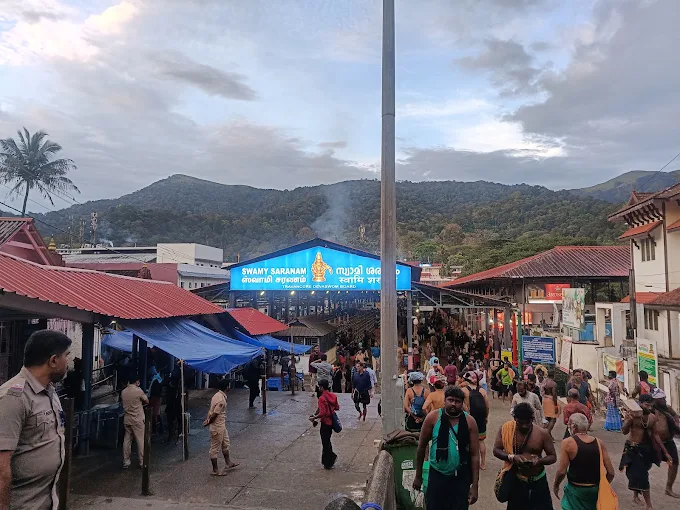
📍 50.27 km away
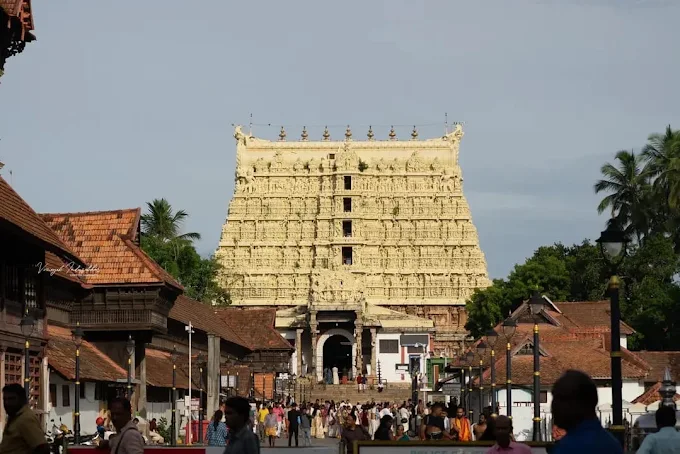
📍 107.99 km away

📍 112.73 km away
Stays near Kaviyoor Mahadeva Temple

📍 Near Kurinji Andavar Temple · 134.4 km
stayStarting from ₹2,000 / night

📍 Near Nachiyar Kovil (Thirunarayur Nambi Temple) · 357.8 km
stayStarting from ₹4,500 / night

📍 Near Kasi Vishwanathar Temple · 1,894.5 km
Starting from ₹1,200 / night


📍 Near Kasi Vishwanathar Temple · 1,894.5 km
Starting from ₹1,200 / night
Discover more temples you may be interested in
You may also like these temples