☰
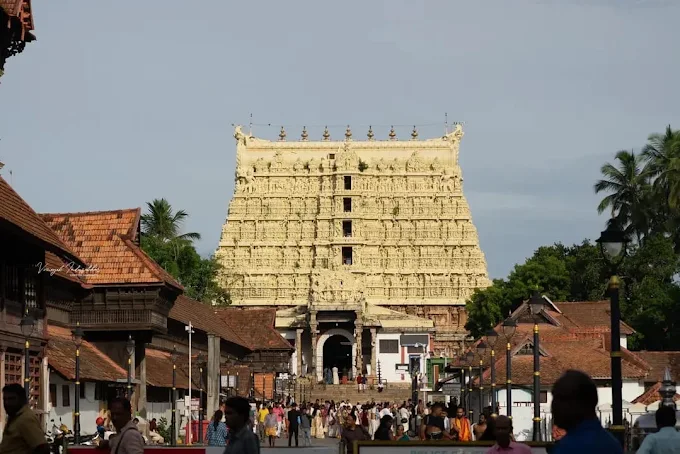
🛕 Lord Vishnu | 📍 Thiruvananthapuram, Thiruvananthapuram, Kerala
Sree Padmanabhaswamy Temple in Thiruvananthapuram is one of the most revered Vaishnavite temples in Kerala and is traditionally counted among the 108 Divya Desams, the sacred Vishnu temples praised in the devotional tradition of the Tamil Alvars.
The presiding deity is Lord Padmanabhaswamy, a form of Lord Vishnu, depicted in the majestic Anantha Shayanam posture, reclining upon the serpent Anantha or Adishesha. The deity is worshipped through three doors of the sanctum, providing views of the Lord's head and upper body, the lotus emerging from His navel with Lord Brahma, and His feet.
The temple is especially significant for its connection with the former Travancore kingdom. In 1750, Maharaja Marthanda Varma dedicated the kingdom of Travancore to Lord Padmanabha through the historic Thrippadidanam ceremony. The Travancore rulers subsequently adopted the title Padmanabha Dasa, meaning servant of Lord Padmanabha.
The shrine is also renowned for its distinctive blend of Kerala and Dravidian architectural traditions, monumental gopuram, detailed stone carvings, murals and long granite-pillared corridors. Its religious importance, Divya Desam status, unique reclining form of Lord Vishnu and connection with Travancore history make it one of South India's significant pilgrimage centres.
Sree Padmanabhaswamy Temple has a long religious history associated with Thiruvananthapuram and the worship of Lord Vishnu. Kerala Tourism traces the history of the temple to the 8th century and notes references to the shrine in traditional texts including the Skanda Purana and Padma Purana.
The temple underwent major renovation during the reign of Marthanda Varma, the prominent ruler of Travancore. The present form of the temple is strongly associated with the extensive works undertaken during his reign.
In 1750, Marthanda Varma dedicated the kingdom of Travancore to Lord Padmanabha in the ceremony known as Thrippadidanam. He and his successors adopted the title Padmanabha Dasa, signifying their traditional role as servants of Lord Padmanabha.
The principal idol is a distinctive representation of Vishnu reclining upon Anantha. Kerala Tourism states that the sacred image incorporates 12,008 Salagramas brought from Nepal. The deity is installed in a large stone sanctum and is approximately 18 feet in length.
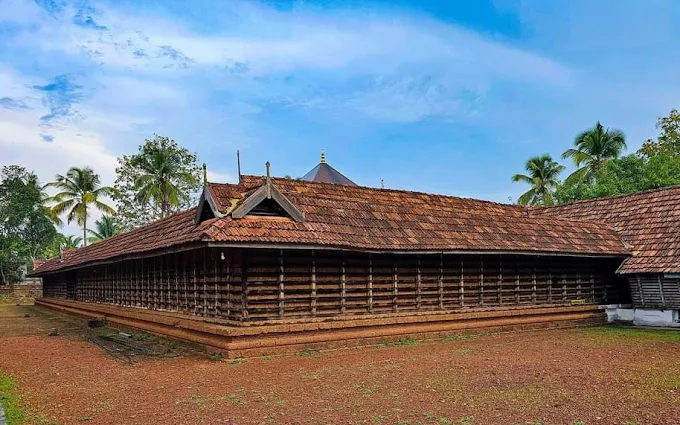
The temple's architecture combines Kerala and Dravidian traditions. Its eastern entrance, sculpted granite pillars, murals, bronze and stone work and historic temple corridors contribute to its distinctive architectural character.
No daily poojas available.
No special rituals available currently.
No festivals available.
Dress Code: Men: Mundu/Dhoti. Shirts are not permitted inside the temple. Women: Saree, Mundum Neriyathum/Set Mundu, skirt and blouse, or half-saree.
Photography: No
Prasad: Not Available
Prasad Details: Prasadam is available according to temple arrangements.

📍 4.75 km away

📍 68.03 km away

📍 80.46 km away
📍 95.15 km away
📍 104.69 km away

📍 105.08 km away
Stays near Sree Padmanabhaswamy Temple

📍 Near Kurinji Andavar Temple · 204.3 km
stayStarting from ₹2,000 / night

📍 Near Nachiyar Kovil (Thirunarayur Nambi Temple) · 390.9 km
stayStarting from ₹4,500 / night

📍 Near Kasi Vishwanathar Temple · 1,978.4 km
Starting from ₹1,200 / night


📍 Near Kasi Vishwanathar Temple · 1,978.4 km
Starting from ₹1,200 / night
Discover more temples you may be interested in
You may also like these temples