☰
🛕 Lord Vishnu | 📍 Ariyannur, Thrissur, Kerala
Ariyannur Harikanyaka Temple is one of the more unusual sacred sites in Kerala because its religious identity brings together the traditions of Harikanyaka, Bhagavathi and the Mohini form of Vishnu. The Kerala Archaeology Department identifies the principal deity as Hari Kanya, or Bhagavathi, while Kerala Tourism describes Ariyannur Temple as a temple dedicated to Lord Vishnu. Local and devotional traditions explain Harikanyaka as the feminine form of Hari, associated with Mohini, the enchanting form assumed by Lord Vishnu. This combination gives the temple an identity that is different from a conventional Vishnu or Bhagavathy shrine.
The name Harikanyaka itself carries this religious idea. “Hari” refers to Vishnu, while “Kanyaka” refers to a maiden or youthful feminine form. According to temple tradition, Vishnu assumed the Mohini form during the episode of the churning of the cosmic ocean. The association of this divine feminine form with the Ariyannur shrine has made the temple especially interesting to devotees who wish to explore the less commonly represented forms of Vishnu in Hindu temple traditions.
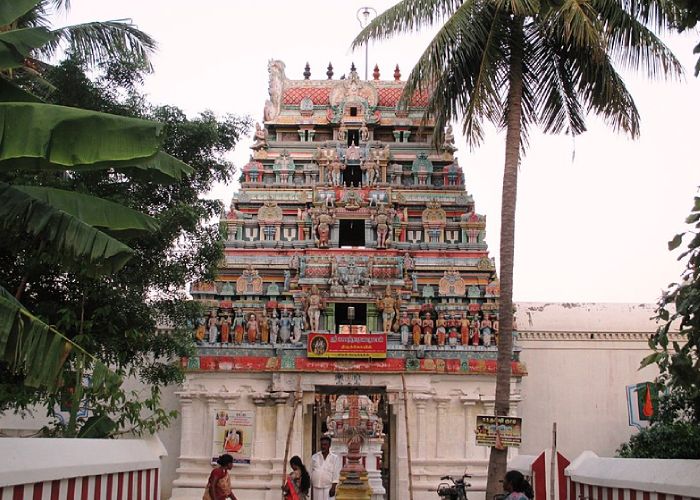
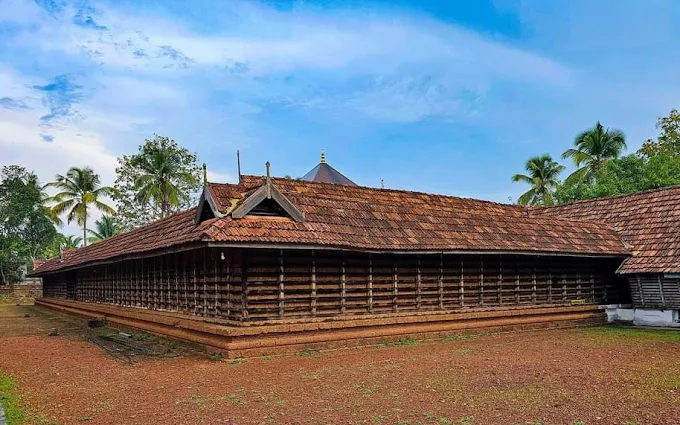
The temple's architectural character is another major part of its significance. The Kerala Archaeology Department describes the shrine as a two-storeyed temple, with a granite foundation, laterite walls, a traditional Namaskara Mandapam, Nalambalam, Thidappalli and Balikkalpura. The entrance and wooden details are particularly noteworthy. Kerala Tourism highlights the temple's intricately carved entrance gable and compares its visual character with the striking sculptural work associated with artist Louise Nevelson.
The temple is also significant because it is a protected heritage monument. The historic structure, ruined gateways, two-storeyed shrine, Dwarapalaka figures and wooden images in the Namaskara Mandapam were protected by the former Cochin state's Archaeology Department in 1936. Conservation work was subsequently undertaken in 2004. This makes Ariyannur particularly valuable for travellers interested in the preservation of Kerala's historic temple architecture.
Ariyannur's significance extends beyond the temple walls. The village is famous for an important megalithic archaeological landscape, especially the large umbrella-shaped burial stones locally known as Kudaikkallu or Topikkallu. Incredible India notes the presence of six umbrella stones at the nearby archaeological site. Their presence gives Ariyannur a rare combination of religious heritage and prehistoric archaeological interest.
The annual temple festival adds another dimension to the site's living tradition. The festival includes ceremonial events such as Pooram-related processions, Ganapathy worship, flag hoisting, Pallivetta and Arattu. Sources also mention the traditional Chandrolsavam, connecting the temple with older ritual practices of the region.
For pilgrims, Ariyannur is also attractive because of its proximity to Guruvayur. The temple is only a few kilometres from the famous Guruvayur pilgrimage centre, making it practical to include in a wider temple circuit. Instead of treating it simply as a short darshan stop, visitors interested in Kerala heritage can combine the temple with the nearby megalithic site and other pilgrimage destinations around Guruvayur.
Ariyannur Harikanyaka Temple therefore stands at the meeting point of devotion, mythology, medieval Kerala architecture, archaeology and living festival culture. Its unusual Harikanyaka tradition and protected architectural remains make it a particularly valuable addition to MandirVaas's temple database.
The surviving Ariyannur Harikanyaka Temple is an important example of historic Kerala temple architecture. The Kerala Department of Archaeology dates the present temple structure to the 14th century CE. The department describes a two-storeyed shrine with a granite adhishtana, laterite walls, a traditional Namaskara Mandapam, Nalambalam, Thidappalli and Balikkalpura. This makes the 14th century a useful historical reference for MandirVaas, while older religious traditions surrounding the deity should be presented separately as sacred belief rather than as a proven construction date.
The identity of the presiding deity is particularly interesting. The Archaeology Department records the main deity as Hari Kanya (Bhagavathi), while Kerala Tourism describes the temple as dedicated to Lord Vishnu. Devotional traditions explain Hari Kanyaka as a feminine manifestation of Hari, associated with the Mohini form of Vishnu. Other sources describe the shrine within a Bhagavathy or Durga worship tradition. This layered identity is an important part of the temple's history and should not be simplified into only one interpretation.
The temple is traditionally connected with the belief that Vishnu manifested here in the form of a maiden, giving rise to the name Harikanyaka. Some later accounts also associate the construction of the shrine with Perumthachan, the legendary master craftsman of Kerala. Because the Perumthachan connection is a traditional attribution rather than something established by the Archaeology Department as a documented fact, it is better for MandirVaas to phrase it as “tradition attributes the construction to Perumthachan” rather than stating it as confirmed history.
The structure itself provides valuable evidence of the architectural traditions of medieval Kerala. Its granite foundation, laterite walls and two-level shrine demonstrate the characteristic combination of materials used in Kerala temple construction. The Namaskara Mandapam contains wooden carvings, while the temple complex includes the traditional Nalambalam, Thidappalli and Balikkalpura. The Archaeology Department also records sculptures around the Srikovil and the remains of a western gateway.
The temple's mural heritage has suffered considerable damage over time. The Kerala Archaeology Department notes that the murals once present in the temple had been completely destroyed and that some of the sculptures around the Srikovil were also in a ruined condition. This makes the remaining architectural and wooden elements particularly important from a conservation perspective.
The heritage importance of the temple was formally recognised during the period of the former Cochin State. The temple's walls, ruined gopurams, two-storeyed shrine, broken idol, Dwarapalakas and wooden images in the Namaskara Mandapam were declared protected by the State Department of Archaeology in 1936. Conservation work was carried out by the Archaeology Department in 2004. The temple is presently associated with the Cochin Devaswom Board and a temple committee.
Ariyannur's wider landscape adds another historical layer. The village is famous for its megalithic archaeological remains, especially the large umbrella-shaped burial stones known as Kudaikkallu or Topikkallu. Incredible India records six such umbrella stones at the nearby archaeological site. These prehistoric remains demonstrate that the cultural landscape around Ariyannur has a history extending far beyond the medieval temple itself.
The temple also developed a strong ritual and festival tradition. The annual festival is associated with Pooram-related events, flag hoisting, Pallivetta, Arattu and other ceremonial observances. Traditional accounts also mention Chandrolsavam as an old ritual associated with the temple. These practices demonstrate that Ariyannur is not merely a protected monument but continues to function as a living religious institution.
The history of Ariyannur Harikanyaka Temple is therefore best understood through several layers: the medieval temple structure, the Harikanyaka/Mohini religious tradition, the evolution of Kerala architectural craftsmanship, formal archaeological protection, conservation efforts and continuing temple rituals. Together, these elements make Ariyannur an important heritage temple near Guruvayur and a distinctive destination for pilgrims and cultural travellers.
No daily poojas available.
No special rituals available currently.
No festivals available.
Dress Code: Traditional and modest clothing is recommended.
Photography: No
Prasad: Not Available
Prasad Details: Prasadam is available according to temple arrangements.
Stays near Ariyannur Harikanyaka Temple
No stays available near this temple yet.
Discover more temples you may be interested in
You may also like these temples