☰
🛕 Lord Devi | 📍 Kanchipuram, Kanchipuram, Tamil Nadu
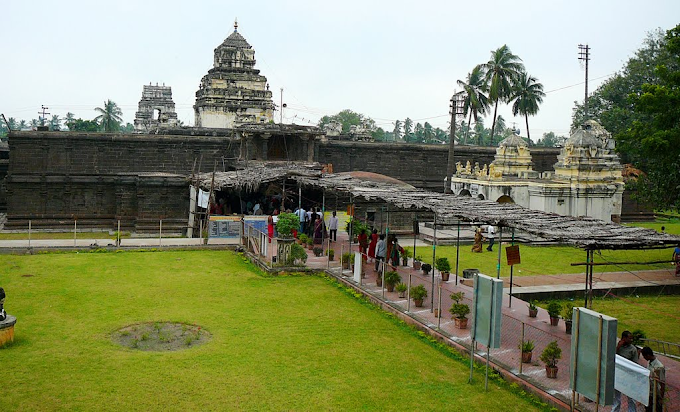
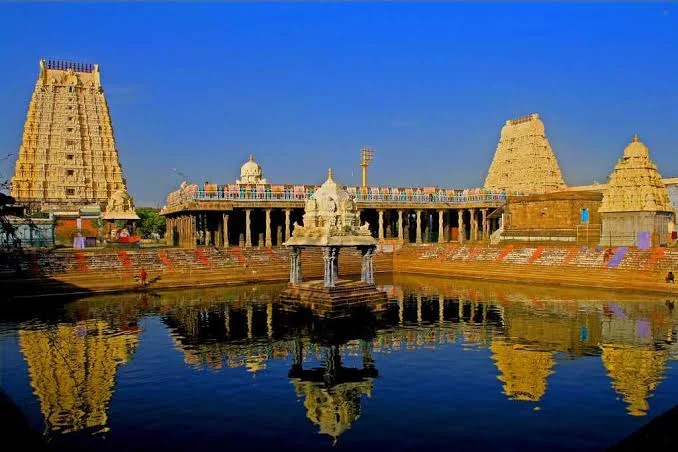
The Sri Kanchi Kamakshi Amman Temple is one of the most venerated Shakta shrines in India, situated at the spiritual heart of Kanchipuram, Tamil Nadu. According to Hindu Puranic tradition, it is counted among the foremost Maha Shakti Peethas—specifically venerated as the 'Nabhi Peetha' (the place where the navel of Goddess Sati is believed to have fallen). The temple holds a singular architectural and theological place within Kanchipuram: in this sacred temple town, known as the 'City of Thousand Temples', no Shiva temple (including the ancient Ekambareswarar, Kailasanathar, and Kachabeswarar temples) possesses an independent shrine for Ambal (Parvati). Religious tradition holds that Goddess Kamakshi embodies all divine feminine energy (Shakti) in the holy region, making her the presiding Mother Goddess of the entire town. The presiding deity is enshrined within the Gayatri Mandapam in a majestic Padmasana (seated yogic) posture, facing Southeast. This meditative posture is distinct from the standing iconography seen in most South Indian Devi temples. In her four hands, she carries a sugarcane bow, five flower arrows, a noose (pasha), and an elephant goad (ankusha), accompanied by a divine parrot. Directly in front of the Moolavar deity rests the sacred Sri Chakra (Kamoti Yantra), consecrated in an esoteric Sri Vidya diagram. Traditional Shakta ritual ordains that primary worship, Kumkuma Archana, and deeparadhana are offered first to this consecrated Sri Chakra. Furthermore, the temple premises also encompass the holy shrine of Lord Kalvar Perumal (Thirukkalvanoor), which is celebrated as one of the 108 sacred Vaishnavite Divya Desams, reflecting a historic syncretism between Shakta and Vaishnava devotional traditions.
The recorded architectural history of the Kanchipuram Kamakshi Amman Temple spans well over a millennium, reflecting substantial patronage and structural contributions from successive South Indian dynasties. During the reign of the Pallavas (6th–9th centuries CE), Kanchipuram served as their royal capital, and early temple structures in this precinct were established. Subsequent periods of Medieval Chola rule (10th–13th centuries CE) brought extensive architectural expansions, including the construction of the sanctum, stone pillared mandapams, and perimeter walls. Epigraphical evidence surviving on temple stones documents royal endowments, perpetual lamps, and land gifts granted by Chola kings such as Kulothunga Chola III. In the 14th to 16th centuries CE, rulers of the Vijayanagara Empire and later the Nayaka governors added monumental gopurams, elaborate carved pillars in the outer prakarams, and gold-plated guilding on the vimanam. According to traditional institutional history, the philosopher-saint Adi Shankaracharya visited Kanchipuram in the 8th century CE. Devotional traditions state that finding the Goddess in an intensely fierce (Ugra) manifestation, Adi Shankara installed the Sri Chakra Yantra in front of her sanctum, thereby pacifying her divine wrath into a gentle, benevolent (Soumya) aspect. The temple is intimately linked with the Sri Kanchi Kamakoti Peetham, whose Shankaracharya pontiffs serve as the hereditary trustees overseeing rituals, kumbhabhishekams, and festival protocols. A significant historical event took place during the 18th-century Carnatic wars: to protect the sacred pure-gold idol of Goddess Kamakshi (Bangaru Kamakshi) from desecration during regional invasions, temple priests transported the deity southwards via Udayarpalayam to the Thanjavur Maratha kingdom. The Bangaru Kamakshi idol remains enshrined in a dedicated temple in Thanjavur to this day, while the original stone Moolavar continues to receive eternal worship in Kanchipuram.
Devotional belief holds that Goddess Kamakshi, whose very name denotes fulfilling every pure desire with her glance ('Kama' meaning desire and 'Akshi' meaning eyes), blesses earnest devotees with solutions to their life aspirations.
It is a long-standing tradition for unmarried women and prospective couples to offer Kumkuma Archana at the Sri Chakra seeking timely marriage and lifelong marital harmony.
Couples seeking progeny perform special prayers and circumambulate the temple prakaram, traditionally believing that the maternal grace of Kamakshi Amman brings family fruition.
Worship of the Sri Chakra installed by Adi Shankara is traditionally believed to neutralize fears, malevolent spiritual influences, and adverse planetary doshas.
Because Goddess Kamakshi synthesizes the qualities of Saraswati, seekers of knowledge, music, and scriptural wisdom pray to her to receive clarity of intellect and articulate speech.
For spiritual practitioners and devotees of Sri Vidya tantra, darshan of the consecrated Mahameru Sri Chakra is considered the pinnacle of meditative grace leading toward inner peace and liberation.
Devotees can formally sponsor and witness the sacred daily abhishekam performed to the deities thrice daily as per temple guidelines.
Chanting of the thousand names of Goddess Lalita Maha Tripura Sundari with sacred red kumkum and bilva/flower offerings performed at the Sri Chakra.
Sacred sandalwood paste covering offered to the Moolavar deity on designated days (traditionally Wednesdays and Saturdays).
Elaborate esoteric Sri Vidya ritual honoring the nine enclosures of the consecrated Sri Chakra, conducted on every Pournami (Full Moon) night.
Ceremonial procession of the golden chariot bearing the utsava murthis around the inner courtyard on Fridays, Pournami, and auspicious calendar dates.
Continuous sacred kumkum archana performed directly in front of the Sri Chakra for devotees throughout darshan hours.
No festivals available.
📍 0.86 km away

📍 1.48 km away

📍 1.62 km away
📍 1.92 km away
📍 14.61 km away
📍 17.05 km away
Stays near Kanchipuram Kamakshi Amman Temple

📍 Near Kurinji Andavar Temple · 376.6 km
stayStarting from ₹2,000 / night
Discover more temples you may be interested in
You may also like these temples