☰
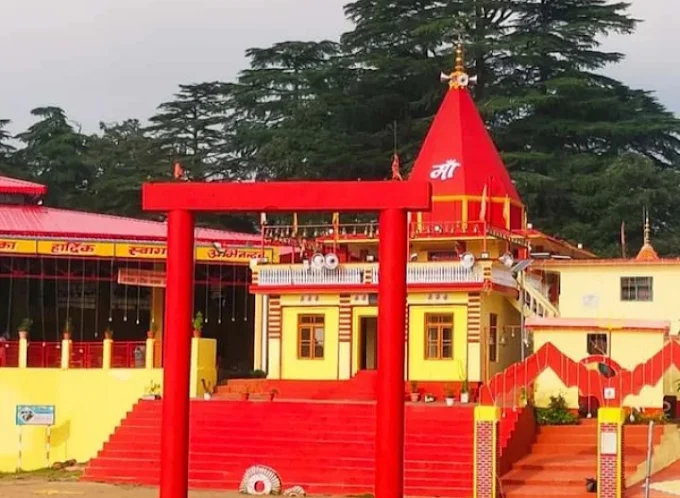
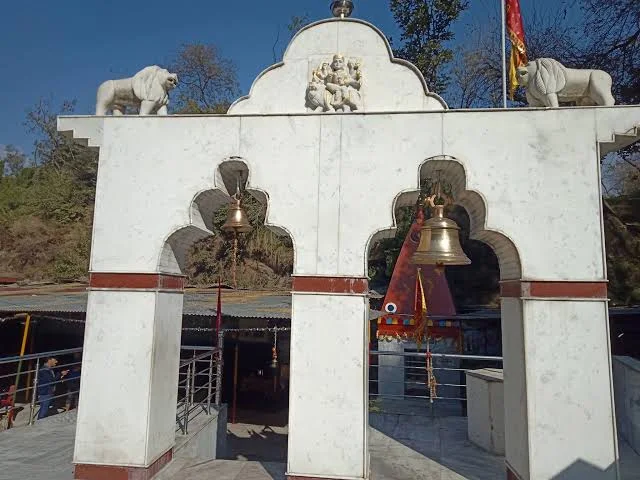
🛕 Lord Devi | 📍 Devidhura, Dehradun, Uttarakhand
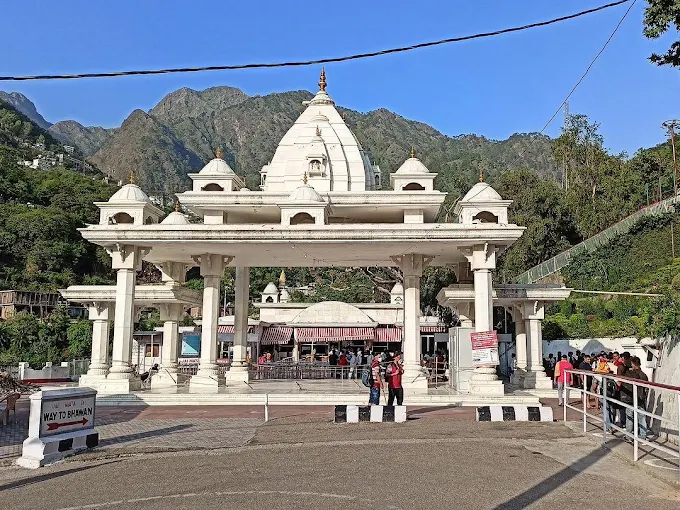
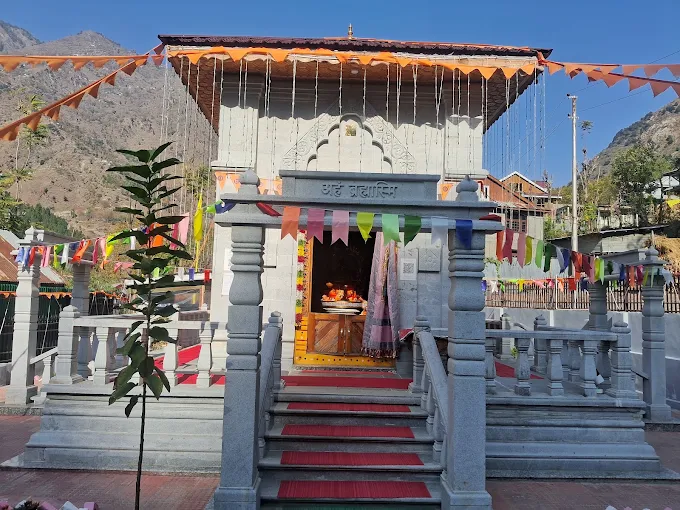
Panch Sagar (also rendered Panchasagar) is revered in Hindu Shakta tradition as one of the 51 sacred Shakti Peethas. According to scripture, particularly texts such as the 'Pithanirnaya' (Tantrachudamani), this holy site marks the spot where the lower teeth (adhodanta) or lower jaw of Goddess Sati fell while Lord Shiva carried her sacred body across the cosmos in his profound grief. In classical Shakta iconography and theological liturgy, the divine energy residing here is worshipped as Maa Varahi—the boar-faced fierce aspect of Adi Parashakti, who represents supreme protection, victory over dark instincts, and material as well as spiritual upliftment. The associated Bhairava who guards this realm is worshipped as Maharudra, the formidable form of Lord Shiva. In popular pilgrim traditions and regional geographical compilations of the 51 Shakti Peethas, Panch Sagar is commonly indexed and associated with the holy city of Haridwar in Uttarakhand. Haridwar holds a foundational position in Shakta lore because its ancient locality of Kankhal is revered as the seat of Prajapati Daksha, where the fateful Daksha Yajna took place and Sati sacrificed her life in the sacred sacrificial fire, an event that led to the manifestation of all Shakti Peethas. For devotees undertaking the sacred 51 Shakti Peetha yatra, Haridwar is regarded as the primordial epicentre of the Shakta tradition. While the precise physical location of the scriptural Panchasagar remains a subject of theological inquiry—with alternative traditions associating the lower teeth shrine with Varanasi or Devidhura—pilgrims visiting Haridwar revere the Mother Goddess through Haridwar’s primordial Shakta abodes, including Maya Devi (the ancient presiding deity of Mayapuri/Haridwar), Mansa Devi, and Chandi Devi, honoring the divine lower jaw relic and seeking the Mother's boundless grace.
The origin of the Shakti Peetha cult is anchored in Hindu mythological literature, most extensively detailed in the Shiva Purana, Devi Bhagavata Purana, Kalika Purana, and the Mahabharata. According to Puranic narrative, King Prajapati Daksha organised a grand sacrificial ritual (Brihaspati Sarva Yajna) at Kankhal, near modern Haridwar. Daksha intentionally excluded Lord Shiva and his daughter Sati due to past animosity. Sati attended the ritual despite Shiva's counsel and, unable to bear the public humiliation of her divine consort by her father, gave up her life in the sacrificial fire. Enraged, Shiva assumed the ferocious form of Virabhadra, destroyed the yajna, and severed Daksha's head. Shiva subsequently wandered across creation in deep grief carrying Sati's remains. To preserve universal equilibrium and alleviate Shiva's sorrow, Lord Vishnu dispatched the Sudarshana Chakra to sever Sati's mortal coil into fragments, which descended onto multiple regions across the Indian subcontinent. Historical and textual scholarship, notably led by epigraphist D.C. Sircar in his benchmark work 'The Shakta Pithas', shows that early and medieval regional lists attempted to codify these holy sites. The verse 'Panchasagare adhodanto Varahi Maharudrakah' is documented in late medieval Shakta compendiums, identifying the fallen lower teeth with Devi Varahi and Bhairava Maharudra. Historically, the geographic location of Panchasagar has sparked three major traditions among historians and Shakta preceptors: one school places the holy site in Haridwar (the territorial heartland of Daksha Yajna and an ancient centre of Tantric Shakta worship in Uttarakhand); a second school links it to the Varahi Devi shrine near Manmandir Ghat in Varanasi, Uttar Pradesh; and a third regional tradition points towards Devidhura/Lohaghat in Uttarakhand or Danteshwari in Chhattisgarh. In Haridwar, historical worship coalesced around the Maya Devi Temple—dating architecturally from the medieval period with roots traced by archaeologists to pre-10th-century cult practices—and the Shivalik hill shrines of Mansa Devi and Chandi Devi, which collectively serve as the physical anchors of Shakta devotion for pilgrims tracing the Panch Sagar Peetha lineage.
Devotees traditionally believe that invoking Maa Varahi, the fierce protective mother, dispels fear, eliminates malevolent influences, and provides divine shielding.
Pilgrims believe that worshipping the Mother Goddess in Haridwar—the mythical origin of Daksha's sacrifice and Sati's devotion—eradicates karmic burdens and purifies the spiritual soul.
Because this Shakti Peetha tradition is associated with Sati's lower jaw and teeth, devotees believe worshipping the Mother bestows truthful speech, eloquence, and unshakable inner strength.
Devotional tradition holds that sincere prayers to Devi Varahi and Maharudra harmonize masculine and feminine energies, assisting sadhakas in spiritual growth and material well-being.
Elaborate nine-day sacrificial fire ceremonies and recitation of the Devi Mahatmya (Durga Saptashati) conducted during Chaitra and Sharad Navaratri to appease the Mother Goddess.
Special Shakta sadhana prayers and flower offerings invoking Maa Varahi using Vedic and Tantric mantras for protection, victory, and removal of obstacles.
Annual sacred worship dedicated to Lord Shiva as Maharudra (the presiding Bhairava of the Peetha), observed with night-long abhishekam, bilva patra offerings, and chanting.
No festivals available.
📍 165.62 km away
📍 209.86 km away
📍 293.42 km away
📍 299.42 km away

📍 370.20 km away
📍 382.22 km away
Stays near Devidhura Varahi Maa Shakti Peetha

📍 Near Kurinji Andavar Temple · 2,146.3 km
stayStarting from ₹2,000 / night
Discover more temples you may be interested in
You may also like these temples