☰
🛕 Lord Devi | 📍 Lake Manasarovar, near Burang, Ngari Prefecture, Tibet Autonomous Region, China
Burang Manasa Dakshayani Shakti Peetha is venerated in Shakta tradition as one of the fundamental 51 Shakti Peethas. According to sacred Hindu mythology, following the catastrophic self-sacrifice of Goddess Sati at the sacrificial altar of her father Daksha Prajapati, Lord Shiva traversed the cosmos carrying her mortal form in intense grief and ascetic fury. To re-establish universal equilibrium, Lord Vishnu used his Sudarshana Chakra to divide Sati's form into holy fragments. Traditional texts, including the Tantra Chudamani and Devi Bhagavata Purana, record that Devi Sati's right palm or right hand fell near the sacred Lake Manasarovar (Manasa Sarovara) in the Trans-Himalayan plateau. Here, the divine mother is worshipped as Devi Dakshayani (the primordial daughter of Daksha and personification of cosmic energy), while Lord Shiva resides alongside her in the benign and eternal form of Amar Bhairava.
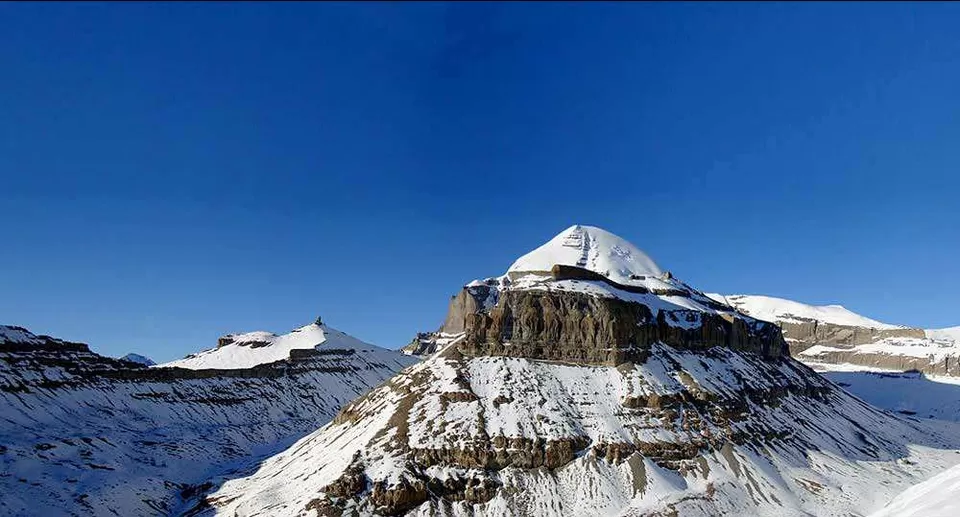
Lake Manasarovar, located at the southern base of Mount Kailash in the Burang (Purang) region of western Tibet, is considered across Sanatana Dharma to be the mind-born creation (Manasa-sarovara) of Lord Brahma. In Hindu, Buddhist, Bon, and Jain traditions, this region is revered as the spiritual hub of the cosmos (Meru Mandala). For Shakta pilgrims, Manasa Dakshayani Peetha is unique because the sanctum sanctorum is not an artificial stone shrine or temple hall, but the vast, turquoise water body itself, framed by the holy Himalayan snowcaps and ancient prayer stones. A sacred natural rock boulder situated along the lake shore at Kuggu/Trugo is traditionally identified by pilgrims as the focal point representing Devi's right palm. Bathing in or sprinkling the lake's pristine glacial waters, meditating on the lake banks, and performing parikrama (circumambulation) are regarded in scriptural tradition as among the highest spiritual endeavors in mortal life.
The history of the Manasa Dakshayani Shakti Peetha is deeply intertwined with ancient Indian scripture, Trans-Himalayan trade routes, and high-altitude pilgrimage traditions spanning several millennia. Mention of Lake Manasarovar and Kailash appears across Vedic literature, the Ramayana, the Mahabharata, the Puranas, and classical Sanskrit works like Kalidasa's Meghaduta. In Puranic geography, Mount Kailash is identified as Mount Meru or the central axis of Jambudvipa, and Lake Manasarovar as the supreme celestial reservoir feeding four great rivers of Asia: the Brahmaputra (Yarlung Tsangpo), the Indus (Sengge Zangbo), the Sutlej (Langqen Zangbo), and the Karnali (Mapcha Khambab).
Unlike traditional Hindu temple sites found in mainland India, the harsh arctic climate and extreme altitude exceeding 4,500 meters prevented the construction and maintenance of permanent stone temple superstructures dedicated exclusively to the Shakti Peetha. Instead, Shakta pilgrims from India and ascetic wanderers (sadhus and yogis) historically undertook grueling multi-month journeys over high Himalayan mountain passes—most notably the Lipulekh Pass from Uttarakhand, the Nathu La Pass from Sikkim, and routes through western Nepal via Humla/Simikot—to establish seasonal shrines using natural stone cairns (chortens/mounds) and rock platforms on the southwestern shores of Lake Manasarovar.
From the 10th to the 17th centuries, the region lay within the domain of the Guge Kingdom and the cultural realm of Western Tibet. Tibetan Buddhist monasteries, known as Gompas—such as Chiu Gompa, Gossul Gompa, Trugo Gompa, and Seralung Gompa—were constructed around the circumference of Lake Manasarovar. These monastic centers often coexisted with visiting Indian ascetics, and Hindu yatris frequently rested at these locations while paying homage to the Devi and Mount Kailash.
In modern administrative history, Burang County (Purang / Taklakot) falls within the Ngari Prefecture of the Tibet Autonomous Region of the People's Republic of China. Following the 1954 Sino-Indian agreement and border treaties, the pilgrimage was formally regulated. Between 1981 and the late 2010s, the Government of India's Ministry of External Affairs conducted the official Kailash Manasarovar Yatra in coordination with Chinese authorities via the Lipulekh Pass and Nathu La Pass routes. Due to geopolitical constraints and environmental regulations, the physical site remains preserved in its austere natural state, devoid of urban construction, preserving an ancient tradition of nature-centric open-air worship.
According to ancient Hindu scriptures, partaking in the holy water of Lake Manasarovar and praying to Devi Dakshayani purifies lifetimes of accrued negative karma and spiritual impurities.
Meditating at this high-altitude Shakti Peetha is believed to elevate consciousness, align inner chakras, and grant supreme mental tranquility and clarity to earnest seekers.
Offering water oblations (tarpan and shraddha) on the banks of Manasa Sarovar is traditionally believed to grant ultimate liberation and peace to deceased ancestors.
Devotees believe that seeking the blessings of Devi Dakshayani and Amar Bhairava bestows protection from untimely hazards, fear of mortality, and chronic vitality loss.
The sacred circumambulation of the approximately 88-kilometer perimeter of Lake Manasarovar, performed either by eco-bus tour or on foot by devout pilgrims over 3 to 4 days.
Special ancestral rites and water oblations performed with sacred Kusha grass and sesame seeds on the lakeshore for departed souls.
Sacred fire oblations or special group pujas conducted along designated pilgrim camp points near the lake shore by accompanying yatra priests.
The primary religious observance associated with the Burang Manasa Dakshayani Shakti Peetha is the seasonal pilgrimage known as the Kailash Manasarovar Yatra. In Hindu tradition, L...
In Shakta and Shaivite traditions, full moon days (Purnima) falling during the pilgrimage window—such as Buddha Purnima / Saga Dawa, Guru Purnima, and Shravana Purnima—are consider...
📍 209.86 km away
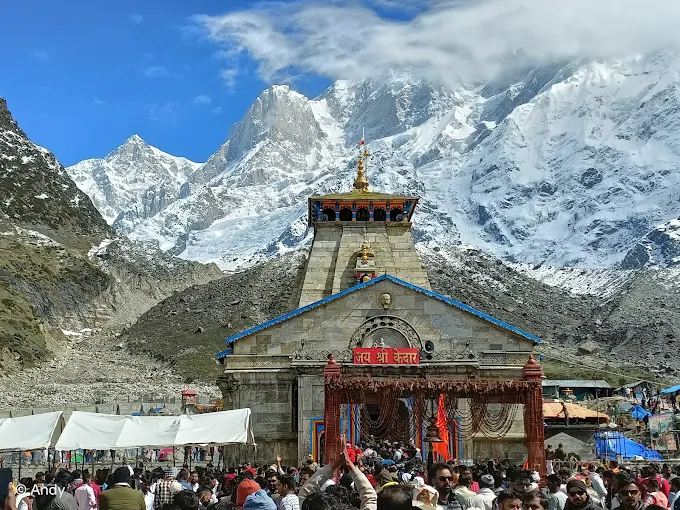
📍 231.86 km away
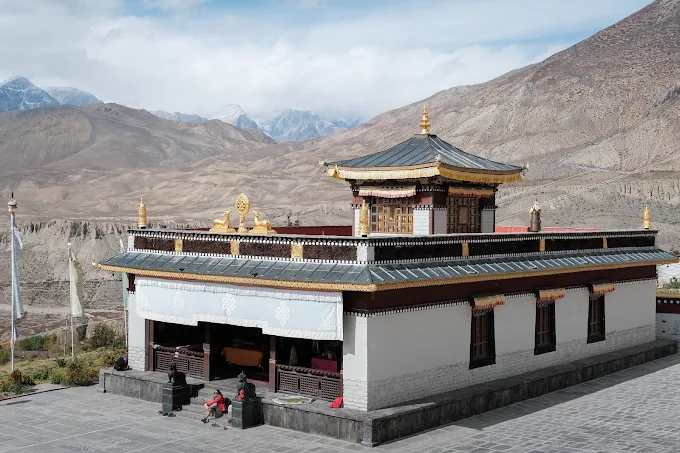
📍 308.66 km away

📍 436.20 km away
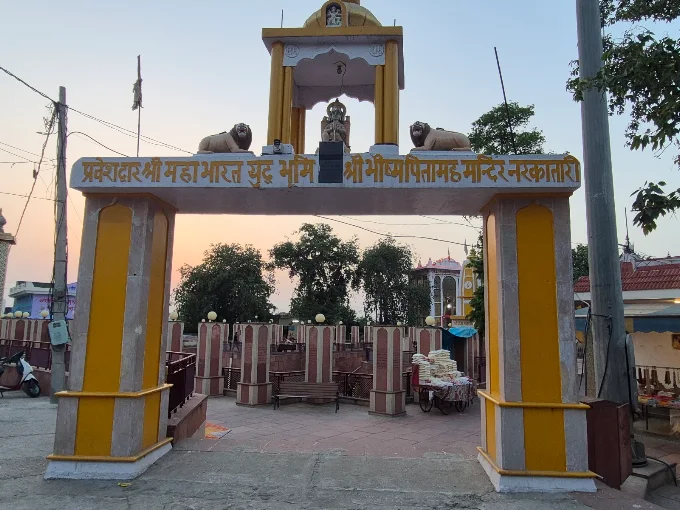
📍 453.66 km away
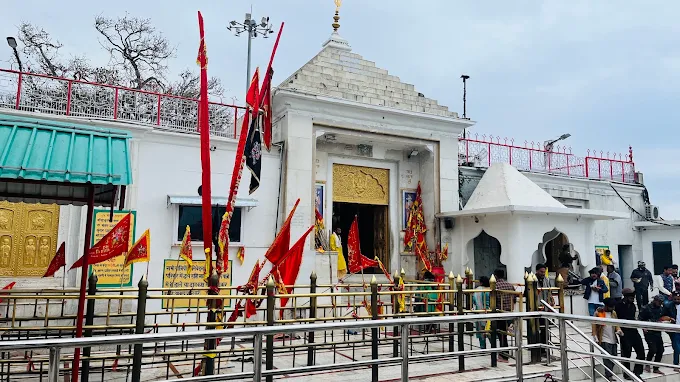
📍 477.49 km away
Stays near Burang Manasa Dakshayani Shakti Peetha

📍 Near Kurinji Andavar Temple · 2,309.1 km
stayStarting from ₹2,000 / night
Discover more temples you may be interested in
You may also like these temples