☰
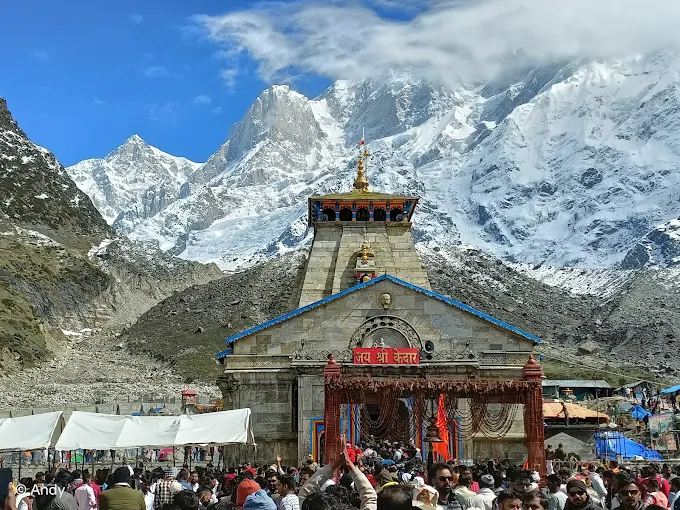
🛕 Lord Shiva | 📍 Kedarnath, Rudraprayag, Uttarakhand
Kedarnath Temple is universally regarded as one of the holiest shrines in Hinduism, revered as the highest among the twelve sacred Jyotirlingas of Lord Shiva, located at an elevation of 3,583 metres (11,755 feet) in the Garhwal Himalayas beside the Mandakini River. It serves as the primary and most prominent shrine among the Panch Kedar temples (Kedarnath, Tungnath, Rudranath, Madhyamaheshwar, and Kalpeshwar) and is a foundational pilgrimage of the Chota Char Dham circuit of Uttarakhand alongside Yamunotri, Gangotri, and Badrinath. The sanctum encloses a swayambhu (self-manifested) conical, triangular rock structure venerated as Sadashiva, which according to sacred tradition represents the hump of the divine bull form assumed by Shiva. The temple is venerated in ancient Sanskrit scriptures including the Mahabharata, the Shiva Purana, and the Kedar Khanda of the Skanda Purana. Kedarnath also holds historical significance in southern Indian Shaivism; it is celebrated as 'Vada Tiru Kedaram' in the Tamil canonical Tevaram hymns sung by the 7th-century Nayanmars Sambandar and Appar, making it one of the rare Paadal Petra Sthalams located in the high Himalayas. The temple is inextricably tied to the institutional reforms of the 8th-century philosopher-saint Adi Shankaracharya, who is traditionally believed to have revived the shrine and entered Mahasamadhi behind the temple precinct. An enduring living symbol of pan-Indian spiritual unity, the rituals of the shrine are guided by the Rawal, a celibate head priest hailing from the Veerashaiva (Lingayat) community of Karnataka. Due to extreme sub-zero winter temperatures and heavy Himalayan snowfall, the temple is accessible to the public only for six months each year (opening around Akshaya Tritiya in late April or May and closing on Bhai Dooj in October or November), during which the utsava murti (movable deity) is ceremonially transferred to Omkareshwar Temple in Ukhimath for winter veneration.
The history of Kedarnath Temple encompasses ancient epic lore, medieval institutional restoration, and architectural endurance through severe climatic conditions. In Hindu traditional history, the origin of Kedarnath is chronicled in the Mahabharata. Following the Kurukshetra war, the Pandavas sought absolution from Lord Shiva for the sin of gotra-vadha (slaying their kin) and brahma-hatya. Lord Shiva eluded them by taking the guise of a bull grazing in the Himalayas. When Bhima recognized the deity and attempted to catch the bull, Shiva dived into the earth; the triangular hump remained at Kedarnath, while other anatomical parts manifested at Tungnath (arms), Rudranath (face), Madhyamaheshwar (navel), and Kalpeshwar (hair). The Pandavas are traditionally believed to have established the original shrine before departing on the Mahaprasthana (ascent to heaven) via the Swargarohini peak.
From a documented architectural and institutional perspective, the present stone temple structure dates between the 8th and 10th centuries CE. Traditional consensus attributes its revival and structural construction to Adi Shankaracharya, who unified sacred pilgrimage circuits across the Indian subcontinent and whose memorial samadhi stands directly behind the temple sanctum. Built in classical Himalayan stone architectural style, the edifice stands on a 6-foot-high rectangular stone plinth made of massive, evenly carved grey granite-gneiss slabs joined through an interlocking system using iron clamps without traditional mortar in critical load-bearing layers. The structure comprises an ardha-mandapa, a large pillared sabha-mandapa containing stone figures of the five Pandavas, Lord Krishna, Draupadi, and Nandi, leading into the garbhagriha.
Scientific and geological investigations have underscored the astonishing durability of the shrine. Studies by the Wadia Institute of Himalayan Geology documented glacial lichenation marks indicating that the temple was completely entombed under snow and glacial moraine during the 'Little Ice Age' (roughly between the 14th and 17th centuries CE) for several hundred years without suffering catastrophic structural failure. In modern times, the temple displayed exceptional resilience during the catastrophic Himalayan cloudburst and flash flood of June 2013, when surrounding settlements were obliterated; the sanctum remained remarkably preserved after a massive glacial boulder—subsequently consecrated as 'Bhim Shila'—lodged itself behind the temple wall and diverted the raging wall of water and debris around the structure. The temple is officially administered by the Shri Badrinath-Kedarnath Temple Committee (BKTC), established under the historic Shri Badrinath and Kedarnath Temples Act of 1939.
According to the Shiva Purana and Mahabharata traditions, worshipping Lord Shiva at Kedarnath cleanses one of severe karmic transgressions and liberates the soul from the cyclical bondage of rebirth.
Devotees traditionally believe that visiting Kedarnath Dham and offering prayers brings profound peace to one's departed ancestors, invoking their blessings and removing Pitru Dosha.
The demanding pilgrimage through rugged Himalayan terrain is traditionally viewed as a form of spiritual austerity (tapasya) that instills mental fortitude, humility, and deeper self-awareness.
In Shaivite tradition, seeking the grace of Lord Sadashiva at this primary Jyotirlinga is believed to shield devotees from untimely death, chronic illnesses, and negative celestial influences.
Comprehensive pre-dawn ritual performed inside the sanctum on behalf of the devotee with panchamrit, sacred waters, and Vedic mantra chanting.
Sacred Vedic ablution of Lord Shiva's Swayambhu Lingam with continuous recitation of Sri Rudram and Chamakam hymns by temple priests.
A concise Vedic abhishekam seva performed by the designated temple priests to invoke divine peace and spiritual prosperity.
Traditional 16-step ritual offering conducted in the morning session allowing the devotee access for personal sanctum rituals.
Special participation in the elaborate evening camphor and deepa aarti ceremony accompanied by the chanting of sacred Shaiva stotras.
Offering of pure cow ghee for maintaining an unceasing sacred flame within the Kedarnath sanctum for an entire day.
The reopening of the portals (Kapat) of Kedarnath Temple signals the start of the annual Char Dham pilgrimage season after a six-month winter break. Lord Kedarnath's Panchmukhi Dol...
Shravani Annakoot Mela, also locally called Bhatuj, is a major annual festival observed at Kedarnath Dham on the eve of Raksha Bandhan (Shravana Purnima). As part of the sacred rit...
The closing of the portals marks the end of the seasonal pilgrimage to Kedarnath before heavy snowfall isolates the high-altitude valley. The ceremony takes place on Bhai Dooj (Yam...
The Badri-Kedar Festival is an annual multi-day cultural event held across the twin Himalayan shrines of Badrinath and Kedarnath during the summer peak. Jointly supported by the Ut...
📍 165.62 km away
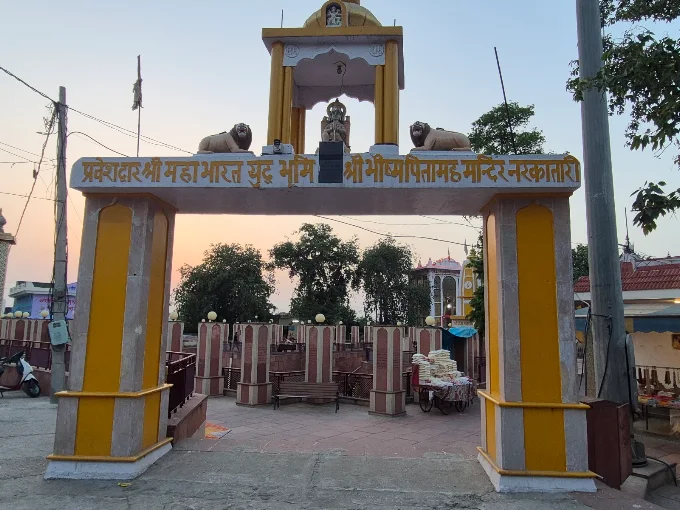
📍 230.29 km away
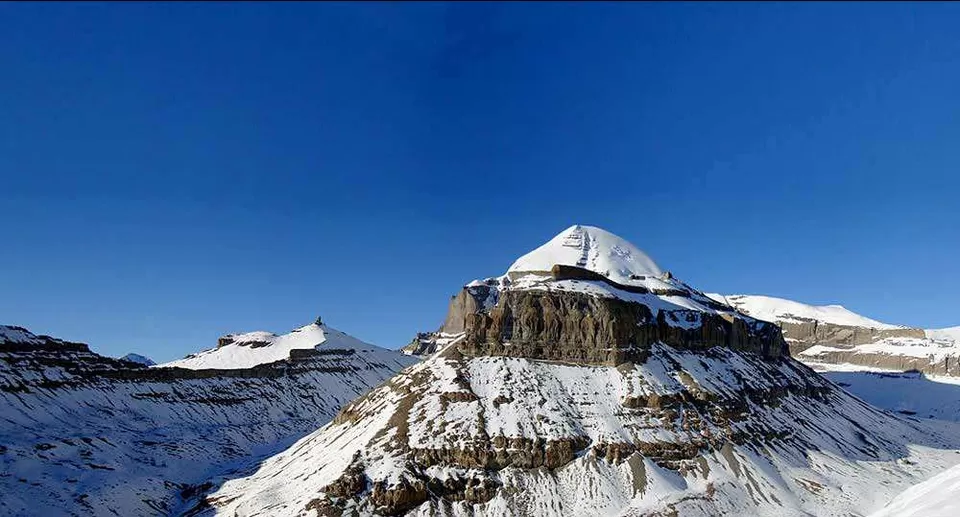
📍 231.86 km away
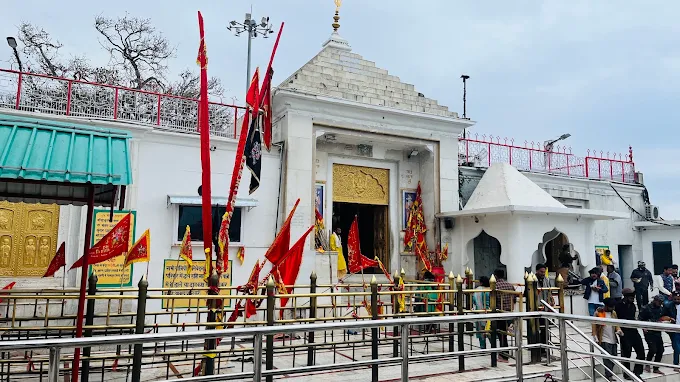
📍 249.35 km away
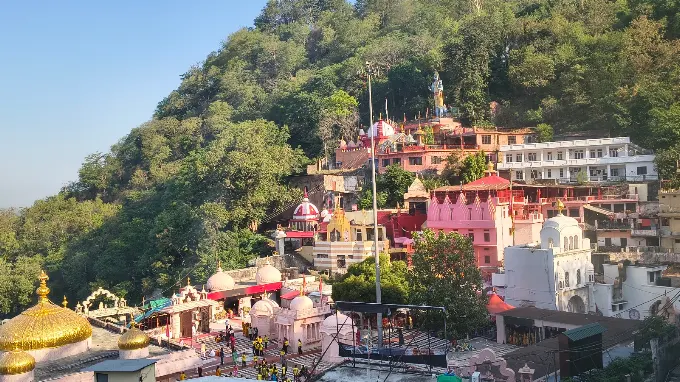
📍 289.80 km away
📍 305.84 km away
Stays near Kedarnath Temple

📍 Near Kurinji Andavar Temple · 2,284.8 km
stayStarting from ₹2,000 / night
Discover more temples you may be interested in
You may also like these temples