☰
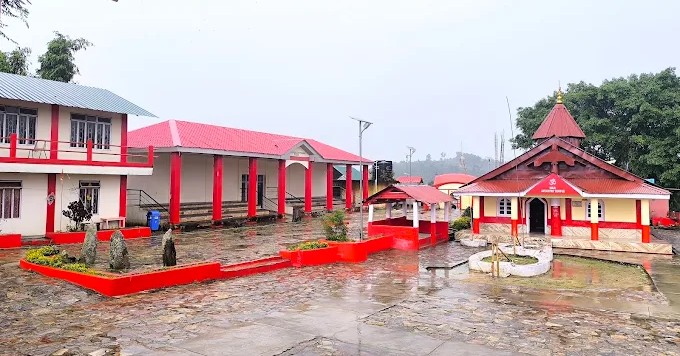
🛕 Lord Devi | 📍 Nartiang, West Jaintia Hills, Meghalaya
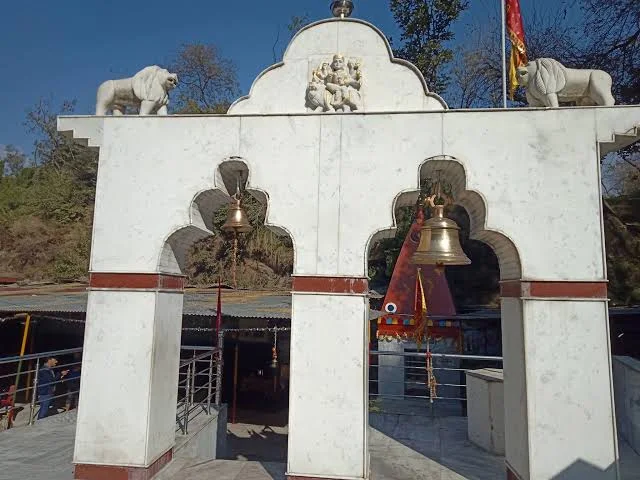
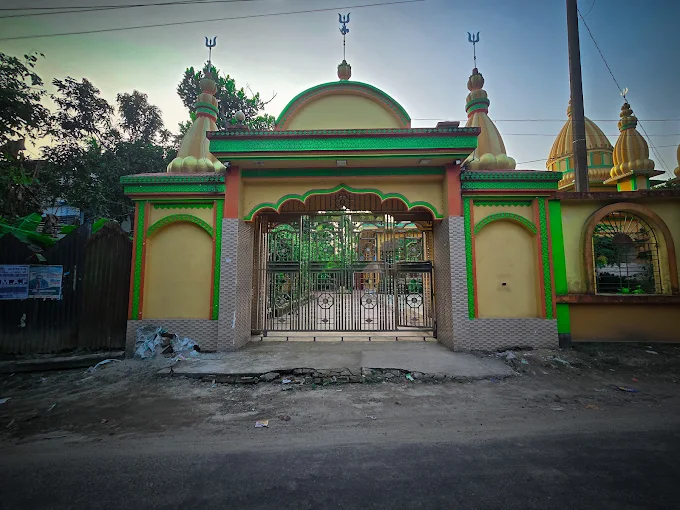
Nartiang Jayanti Shakti Peetha (Nartiang Durga Temple / Maa Jainteshwari Mandir) is one of the revered 51 Shakti Peethas in Hindu Shakta tradition. Located on a scenic hillock in Nartiang village in the West Jaintia Hills district of Meghalaya, it is spiritually venerated as the sacred spot where the left thigh ('vama uru') of Goddess Sati fell following Daksha's yajna and the celestial Tandava of Lord Shiva. In traditional scripture and local practice, the presiding Shakti is worshipped as Devi Jayanti (or Jainteshwari), while Lord Shiva is venerated in the form of Bhairava Kamadishwar (or Kramadishwar). The temple is of exceptional cultural and anthropological importance because it represents an extraordinary syncretism between classical Vedic Shakta traditions and the indigenous Pnar / Khasi (Niamtre) heritage of Meghalaya. Unlike standard pan-Indian temple towns, Nartiang was the summer capital of the historic Jaintia Kingdom. During the annual Autumn Durga Puja, rather than immersing an elaborate clay idol, the Goddess is consecrated in an indigenous ritual utilizing a banana plant trunk ('Nabapatrika' / 'Kola Bou') draped in a sacred saree and ornaments, which is later immersed in the holy Myntdu/Myntang river. This shrine stands as one of the very few Shakti Peethas in Northeast India, holding profound sanctity alongside Kamakhya in Assam and Tripura Sundari in Tripura.
Recorded history dates the formal royal patronage and present structural lineage of the Nartiang Durga Temple to approximately 500 to 600 years ago (circa 16th to 17th century CE) under the kings of the Jaintia Kingdom. Historically, the Jaintia rulers administered two distinct capitals: Jaintiapur (now located in Sylhet, Bangladesh) as the winter capital, and Nartiang in the Meghalaya hills as their summer retreat. According to historical and royal records, King Jaso Manik (and King Dhan Manik) entered into matrimonial and diplomatic alliances with neighboring Hindu principalities, marrying princess Lakshmi Narayana. Deeply influenced by her devotion to Shakti, the king experienced a vision instructing him to consecrate an official temple dedicated to Devi Jayanteshwari at the hallowed site. Because local tribal priests in the hills were unfamiliar with classical Tantric rituals, and local Brahmins from the plains declined to officiate at rites involving the historic royal sacrificial tradition, the Jaintia monarch invited Marathi Kshatriya / Deshmukh priests from western India. The direct descendants of this Deshmukh priestly lineage have maintained the temple's unbroken sacerdotal tradition over nearly thirty generations down to the present day. Structurally, the temple preserves the understated aesthetic of hill architecture, resembling a fortified traditional house with pitched tin roofing, later renovated with assistance from the Ramakrishna Mission. Beneath the temple floor lies the historic 'Boli Garbha' (sacrificial pit), which local tradition states was connected by a subterranean tunnel to the river below. The British administration banned human sacrifice in the early 19th century, replacing it strictly with animal and vegetable offerings. An adjacent Shiva temple preserves antique bronze and iron cannons gifted by the Jaintia royalty.
Devotees traditionally pray to Maa Jayanti for mental resilience, divine protection against negative energies, and inner courage to overcome personal adversities.
According to regional tradition, offering heartfelt prayers at this Shakti Peetha aids in fulfilling sincere prayers for family harmony, prosperity, and career endeavors.
Nestled in the quiet, forested hills of Meghalaya, pilgrims experience deep contemplative calm, free from commercial urban temple crowds.
Visiting this confluence of ancient megalithic history and Shakta devotion is traditionally believed to foster deep spiritual gratitude and connection with heritage.
The paramount annual festival ritual of Nartiang, featuring traditional animal/vegetable bali, special tantric homa, and mask-clad ceremonial offerings upholding centuries-old royal customs.
The signature ritual where the Goddess is personified and worshipped in an adorned banana trunk draped in traditional attire, subsequently immersed in the Myntdu River on Vijayadashami.
Recitation of Devi Mahatmyam / Durga Saptashati and personalized Pushpanjali offerings performed on auspicious tithis like Ashtami, Navami, and Amavasya upon request.
Kali Puja is observed with special tantric offerings and midnight rituals at the sacred precinct of Nartiang. Devotional tradition honors the fierce aspect of the Mother Goddess at...
Durga Puja is the premier annual festival celebrated at the Nartiang Durga Temple (Jayanti Shakti Peetha). Historically, the shrine was established under the patronage of the Jaint...
📍 83.70 km away
📍 85.06 km away
📍 239.95 km away
📍 301.33 km away
📍 330.77 km away
📍 361.83 km away
Stays near Nartiang Jayanti Shakti Peetha

📍 Near Kurinji Andavar Temple · 2,304.6 km
stayStarting from ₹2,000 / night
Discover more temples you may be interested in
You may also like these temples