☰
🛕 Lord Devi | 📍 Guwahati, Nilachal Hill, Kamrup Metropolitan, Assam
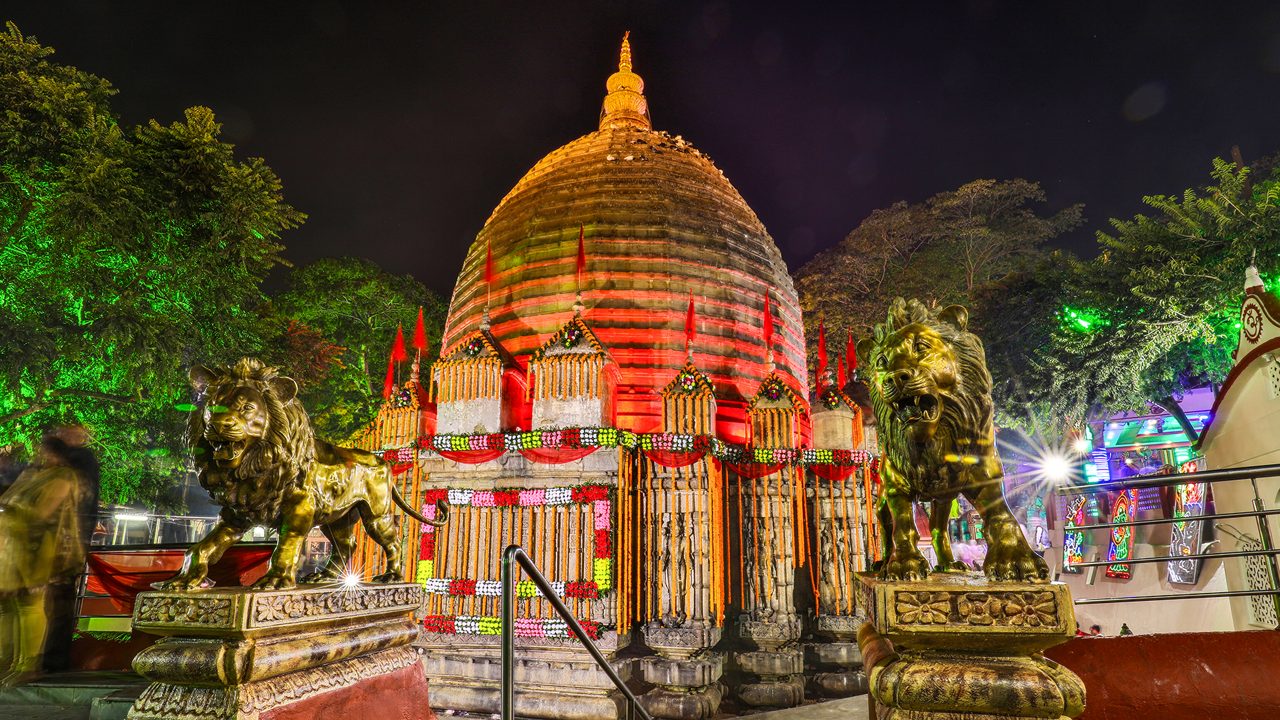
Maa Kamakhya Devalaya, located atop the sacred Nilachal Hill in Guwahati, Assam, is revered as the foremost among the 51 traditional Shakti Peethas and holds the preeminent status of 'Mahapitha' in Shakta tantric tradition. According to Hindu mythology and Shakta puranic texts like the Kalika Purana and Yogini Tantra, when Goddess Sati's body was dismembered by Lord Vishnu's Sudarshana Chakra during Lord Shiva's grief-stricken cosmic dance (Rudra Tandava), Her 'yoni' (vulva/womb) fell onto Nilachal Hill. Consequently, Kamakhya represents the primordial cosmic womb, the womb of creation, and the divine feminine principle (Adi Parashakti). Unlike many traditional Hindu sanctums, the Garbhagriha (inner sanctum) does not feature an anthropomorphic idol; instead, it is a subterranean, dimly lit natural cave chamber housing a natural cleft in a bedrock formation in the shape of a yoni, continuously nourished by an perennial natural underground spring. Pilgrims descend into this sanctum to touch and worship the sacred cleft draped in flowers, vermilion, and silk. Kamakhya is also uniquely consecrated as the nucleus of the Dasa Mahavidyas (ten tantric wisdom goddesses)—namely Kali, Tara, Shodashi (Kamakhya), Bhuvaneshwari, Bhairavi, Chhinnamasta, Dhumavati, Bagalamukhi, Matangi, and Kamalatmika—all of whom have distinct shrines on Nilachal Hill. The shrine is globally celebrated for the annual Ambubachi Mela (held during the monsoon month of Ahar, around late June), during which Mother Earth is traditionally believed to undergo her annual menstrual cycle, celebrating the sanctity of female fertility and cosmic rejuvenation.
The recorded history of the Kamakhya Temple reflects a layered confluence of indigenous Austroasiatic and Tibeto-Burman traditions, early Kamarupa rulers, medieval Koch monarchs, and Ahom kings. Epigraphical and archaeological findings, including carved stone plinths and architectural moldings excavated around the complex, confirm the existence of a grand stone temple on Nilachal Hill during the 7th to 10th centuries CE under the Mlechchha and Pala dynasties of the ancient Kamarupa Kingdom. This early medieval structure showcased high Nagara-style architectural characteristics. The medieval temple suffered extensive destruction in the early 16th century during conflicts with the Bengal Sultanate (historically associated with general Kalapahar). In 1565 CE, King Naranarayan of the Koch dynasty, alongside his illustrious commander-in-chief and brother Shukladhwaj (popularly known as Chilarai), rebuilt the grand temple on the ancient stone foundations. Because stone masons of that era could not fully reconstruct the fallen stone shikhara, they devised an innovative dome-like beehive superstructure of brick over the original stone plinth, creating the distinct 'Nilachal style' of Assamese temple architecture. Stone sculptures of King Naranarayan and General Chilarai remain preserved on the temple's inner walls to this day. Following the decline of the Koch dynasty, the Ahom rulers assumed patronage of Kamakhya. King Rudra Singha (reigned 1696–1714) and his successor King Siva Singha (reigned 1714–1744) made significant architectural additions, constructed Natamandiras, and granted extensive lands (Devottar) and administrative charters to the Bardeuri hereditary priestly families (Shebaits), who manage the traditional Tantric rites to the present day.
Devotees traditionally worship at the Yoni Peetha seeking divine blessings for childbirth, healthy lineage, and resolution of fertility complications, honoring the deity as the eternal matrix of creation.
Believed as 'Kameswari'—the Granter of Desires—the Goddess is revered by pilgrims seeking fulfillment of life goals, rightful prosperity, and spiritual liberation.
Due to the presence of the Ten Mahavidyas and strong Shakta sadhana heritage, worshippers seek protection against evil eyes, psychological afflictions, and negative spiritual energies.
In Tantric yoga tradition, Kamakhya Peetha corresponds to the Muladhara chakra of the macrocosmic earth, making it a revered center for meditators seeking Kundalini awakening and inner purification.
Official priority darshan pass issued by the temple management committee to facilitate quicker access through the designated queue.
Concessional special entry darshan category specifically provided for active and retired Indian defence personnel upon valid identification.
Traditional Shakta ritual worshipping prepubescent girls as living embodiments of the Goddess, conducted prominently during Navaratri/Durga Puja through temple priests (rates arranged directly as traditional Dakshina).
Recitation of the sacred Devi Mahatmya (Durga Saptashati) and specialized hereditary offerings performed on devotee request by authorized Bardeuri priests (priestly honorarium based on individual offerings).
No festivals available.
📍 83.70 km away
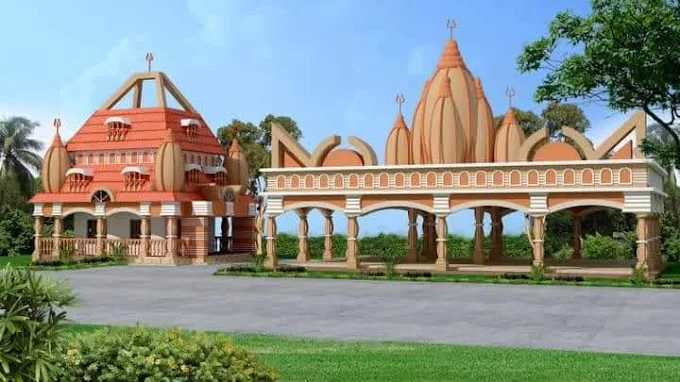
📍 145.70 km away
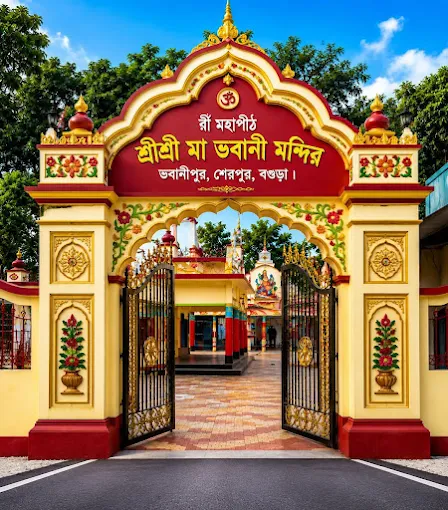
📍 289.89 km away
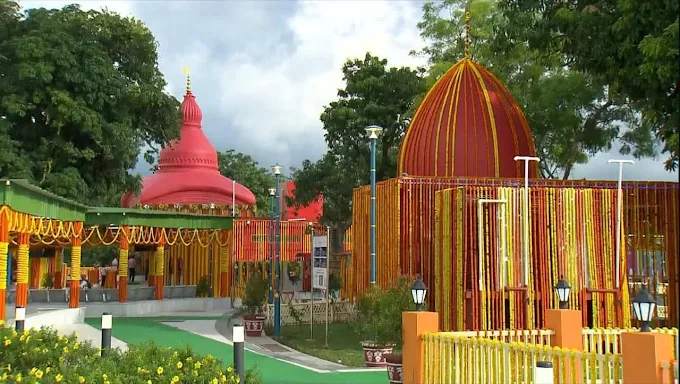
📍 296.22 km away
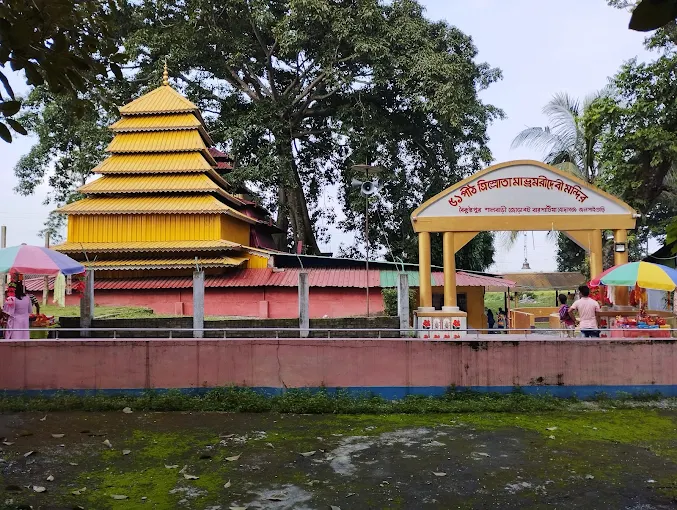
📍 312.01 km away
📍 392.97 km away
Stays near Guwahati Kamakhya Devi Shakti Peetha

📍 Near Kurinji Andavar Temple · 2,317.5 km
stayStarting from ₹2,000 / night
Discover more temples you may be interested in
You may also like these temples