☰
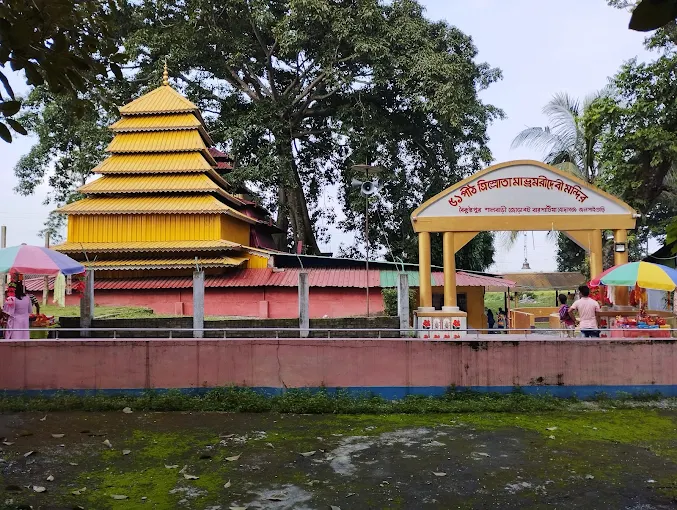
🛕 Lord Devi | 📍 Bodaganj, Jalpaiguri, West Bengal
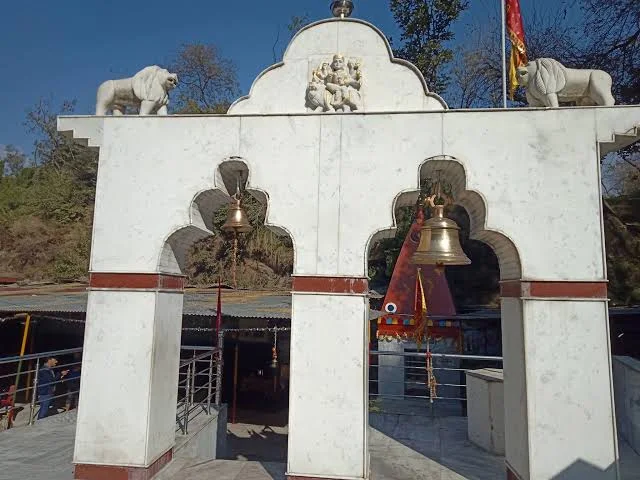
Trisrota Bhramari Shakti Peetha, situated at Bodaganj near the Teesta River in the Jalpaiguri district of West Bengal, is revered as one of the sacred 51 Shakti Peethas of Hinduism. According to the Shakta scripture 'Peetha Nirnaya Tantra', this holy spot marks where the left foot ('Vama Pada') of Goddess Sati fell after Lord Vishnu dismembered her body with the Sudarshan Chakra to pacify the cosmic sorrow and rage of Lord Shiva. Here, the Supreme Divine Mother is worshipped as Goddess Bhramari (the Goddess of Bees) and her consort Bhairava is venerated as Lord Ishwara (also identified as Ambaranatha).
The name 'Trisrota' derives from the Sanskrit words denoting 'three streams', referencing the sacred Teesta River which traditionally divided into three distinct water channels—the Karatoya, Atrai, and Punarbhaba. According to Hindu mythology and the Devi Bhagavata Purana, Goddess Adi Parashakti manifested as Bhramari Devi to destroy the tyrannical demon Arunasura. Arunasura held a unique boon granting invincibility against any two-legged or four-legged beings, along with all conventional celestial weapons. To overcome this boon, the Divine Mother manifested countless six-legged black bees and stinging insects from her body, vanquishing the demon and restoring cosmic harmony. Devotees believe that worshipping Maa Bhramari confers immunity against fatal diseases, dispels negative forces, and bestows spiritual fortitude and inner tranquility. Her mystical lotus-shaped yantra in the sanctum is traditionally held to possess potent healing attributes.
The religious origins of the Trisrota Bhramari Shakti Peetha are anchored in Puranic lore and the Shakta Tantric tradition dating back well over a millennium. Classical scriptures including the Peetha Nirnaya Tantra, Shiva Purana, and Devi Bhagavata Purana record 'Trisrota' as an exalted seat of the Divine Mother. While textual traditions validate the antiquity of the holy tirtha, the current brick-and-mortar temple is of relatively modern construction, built in the traditional vernacular Bengal temple architectural style.
Historically, the Bodaganj region borders the ancient Baikunthapur forest tract and was under the cultural influence of the Raikat family—the hereditary rulers of the Baikunthapur estate closely connected with the royal Koch dynasty of Cooch Behar. During the late 18th century, the impenetrable forests surrounding the Teesta River and Bodaganj served as active sanctuaries during the Sannyasi and Fakir rebellion against British East India Company rule. Regional historical folklore closely connects the surrounding forest tracks with the legendary rebel leaders Devi Chaudhurani and Bhavani Pathak, who were ardent devotees of Mother Kali and Durga.
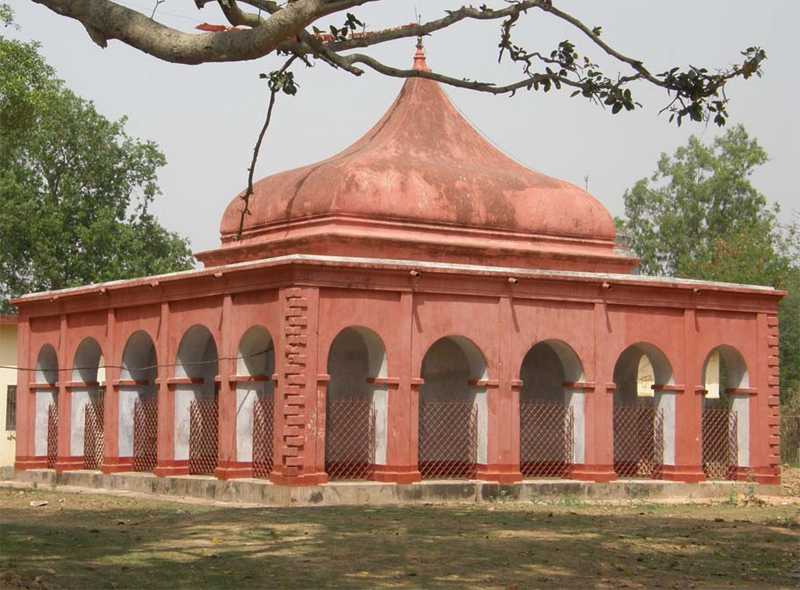
Throughout the centuries, worship at Trisrota persisted primarily as an esoteric woodland shrine managed by regional hermits, forest dwellers, and Shakta tantric practitioners. Over recent decades, the local community, spiritual trust committees, and Shakta devotees from North Bengal organized the shrine by establishing a permanent single-storied red structure, a surrounding temple quadrangle, and civic facilities for pilgrims. Today, the shrine functions under the stewardship of local temple administrators and village servitors who meticulously preserve the ancient ritual customs in communion with the pristine forest ecosystem.
Based on the legend of Devi Bhramari eliminating the invincible demon Arunasura, devotees believe that praying here provides an impregnable spiritual armor against concealed malice, planetary adversities, and hostile elements.
Devotees traditionally believe that worship before the Goddess's lotus-shaped chakra possesses divine healing vibrations capable of alleviating persistent health troubles and boosting immunity.
Devotees seek the grace of Maa Bhramari to overcome feelings of helplessness and anxiety, drawing inspiration from the divine form that triumphed over seemingly insurmountable odds.
As one of the prime Shakti Peethas sanctified by Sati's holy limb, pilgrims have faith that sincere prayers offered here lead to family prosperity, peace of mind, and fruition of pious wishes.
Elaborate devotional rituals, sacred recitation of the Sri Durga Saptashati (Devi Mahatmyam), and yajnas performed during both Chaitra and Sharad Navratri.
Special cooked rice and sweet bhog offering arranged on traditionally auspicious Shakta days by servitors upon devotee request.
Annual community festival during the auspicious full moon day, featuring grand abhishek, special aradhana, and a regional pilgrim congregation.
An annual summer observance at Trisrota Peetha taking place in the month of Chaitra (March–April). A traditional forest pilgrimage is attached to this observance, with groups of lo...
The Barshik Puja and Mela is the principal annual festival celebrated specifically at the Trisrota Bhramari Shakti Peetha in Bodaganj. Held over three days around Maghi Purnima (la...
As one of the prominent Shakti Peethas in North Bengal (where Devi Sati's left leg or foot is believed to have fallen), Sharad Navratri is observed with high spiritual fervor. Dedi...
Due to the temple's strong Tantric heritage and its scenic, secluded location amidst the Baikunthapur forest along the Teesta River basin, Dipanwita Kali Puja (Kartik Amavasya) is...
📍 247.18 km away
📍 267.84 km away
📍 275.92 km away
📍 308.06 km away
📍 308.06 km away
📍 312.01 km away
Stays near Jalpaiguri Trisrota Bhramari Shakti Peetha

📍 Near Kurinji Andavar Temple · 2,167.3 km
stayStarting from ₹2,000 / night
Discover more temples you may be interested in
You may also like these temples