☰
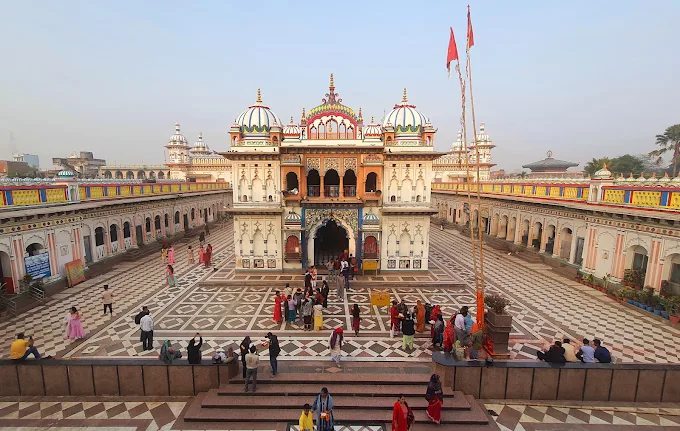
🛕 Lord Devi | 📍 Janakpur, Dhanusha, Nepal
Janakpur Uma Devi Shakti Peetha, revered across the sacred cultural realm of Mithila, is traditionally accounted as one of the 51 classical Shakti Peethas celebrated in Hindu Shakta literature. According to sacred Puranic accounts detailed in texts such as the Shiva Purana, Devi Bhagavata Purana, and the Peetha Nirnaya Tantra, this sacred ground marks the spot where the left shoulder ('Vama Skandha') of Goddess Sati descended upon the earth following Lord Vishnu's cosmic intervention with the Sudarshana Chakra to pacify the grief-stricken Tandava of Lord Shiva. The primordial goddess is consecrated and worshipped here under the gentle, auspicious epithet of 'Maa Uma' (or Mahadevi), representing the benevolent, grace-bestowing form of Parvati, while Lord Shiva is perpetually present as her protective Bhairava consort, worshipped as 'Mahodar' (or Mahodareshwar).
A remarkable spiritual dimension of the Janakpur Shakti Peetha lies in its sacred geographic confluence with the epic Ramayana. As the ancient capital of King Janaka and the earthly home and birthplace of Devi Sita, the holy Mithila land represents a living synthesis of Vaishnava devotion and Shakta philosophy. Devotees revere Devi Uma as the motherly matrix of cosmic power (Adi Parashakti) and see in Sita an embodiment of the same divine feminine principle of endurance, virtue, and auspiciousness. Pilgrims from across the Indian subcontinent visit this sacred peetha to seek marital bliss, progeny, academic and literary enlightenment, and freedom from existential afflictions, worshipping the goddess through ancient Maithil Vedic and Tantric rites.
The history of the Janakpur Uma Devi Shakti Peetha is deeply intertwined with the ancient civilizational matrix of the Mithila region (historically known as the Videha kingdom). Historically, Mithila spanned the alluvial plains of northern Bihar in present-day India and the southern Terai of present-day Nepal. The Peetha Nirnaya Tantra explicitly records: 'Mithilāyāṁ dako vāmaskandha Uma devi Mahodaraḥ', confirming its place among the ancient shaktopasaka shrines of India. Over many centuries, the region developed as a thriving seat of Sanskrit scholarship, Nyaya philosophy, and Tantric sadhana.
Because the territorial boundaries of historic Mithila now span modern national borders, the traditional geography of this Shakti Peetha incorporates both sides of the Indo-Nepal frontier. On the Nepal side, Janakpurdham preserves ancient shrines dedicated to the Mother Goddess—including the sacred sanctum of Sona Mai, Raj Devi, and adjoining Peetha locations—situated alongside the world-famous Janaki Mandir (constructed in 1910 by Queen Vrisha Bhanu of Tikamgarh). On the Indian side in Bihar, historical and folk traditions simultaneously venerate the Mithila Shakti Peetha across prominent ancient shrines, notably the Uchchaith Bhagwati Temple (Vana Durga / Siddhidatri) in Benipatti, Madhubani district. At Uchchaith, a unique shoulder-shaped, head-less black-stone deity dating back to the Pala-Sena period (circa 9th–11th century CE) is enshrined, where historical legends affirm that the great classical Sanskrit poet-dramatist Kalidasa was blessed with transcendent intellect and divine eloquence by Goddess Durga.
Throughout the medieval and early modern periods, the sacred shrines of Mithila were patronized by the Karnata and Oiniwar dynasties, and subsequently by the Maharajas of Darbhanga Raj. Pilgrims have moved seamlessly across the Mithilanchal sacred geography for centuries. In modern times, connectivity was reinforced with the historic cross-border Jaynagar–Janakpur railway line (revitalized under Indo-Nepal bilateral cooperation), linking Indian pilgrims directly to the Peetha heartland. The shrines retain their distinctive Maithil identity, adorned with traditional Mithila folk arts, Vedic chants, and unbroken village-community rituals.
Devotees traditionally pray to Maa Uma, the embodiment of Parvati's eternal union with Shiva, for the removal of obstacles in marriage, finding suitable life partners, and enduring domestic peace.
Because the Mithila Peetha tradition is deeply associated with Mahakavi Kalidasa attaining supreme intelligence through the Goddess's grace, students and scholars seek her blessings for memory, creativity, and wisdom.
Pilgrims invoke Goddess Uma and Bhairava Mahodar to ward off malefic planetary effects, fear of premature mortality, and negative energies.
Devotees perform sankalpa and offer chunari and flowers to the goddess in the belief that earnest prayers for health, prosperity, and family lineage are fulfilled.
Extensive nine-day recitations of the Devi Mahatmyam followed by a sacred fire sacrifice (hawan) during Chaitra and Ashwin Navratri for spiritual well-being.
Devotional offering of a sanctified red bridal veil (chunari), bangles, sindoor, and adornments to Goddess Uma Devi for marital auspiciousness.
Traditional chanting of divine names with vermilion offering to Goddess Uma alongside sacred bathing of the accompanying Bhairava Shivalinga.
No festivals available.
📍 122.86 km away
📍 236.25 km away
📍 260.67 km away
📍 260.70 km away
📍 267.84 km away
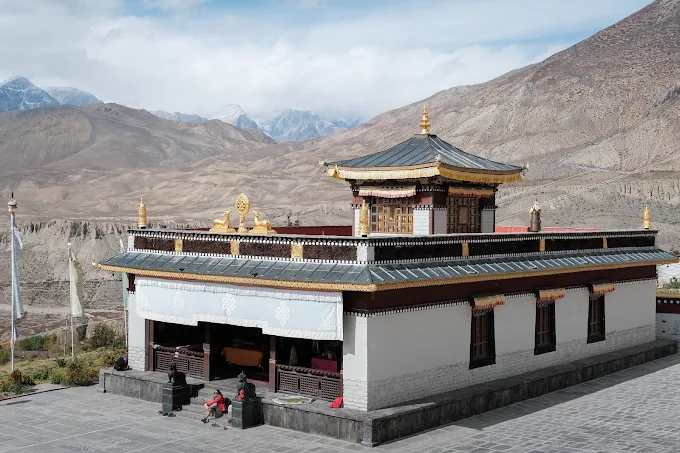
📍 307.65 km away
Stays near Janakpur Uma Devi Shakti Peetha

📍 Near Kurinji Andavar Temple · 2,036.3 km
stayStarting from ₹2,000 / night
Discover more temples you may be interested in
You may also like these temples