☰
🛕 Lord Devi | 📍 Gaya, Gaya, Bihar
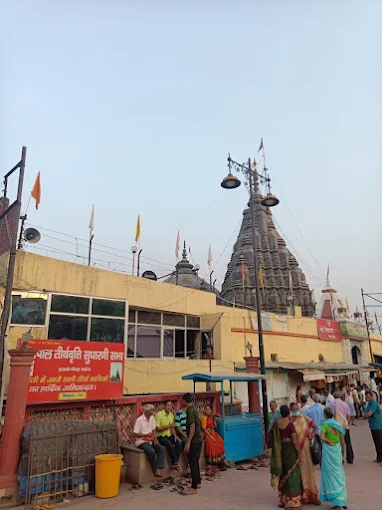
Maa Mangla Gauri Shakti Peetha, situated atop the Manglagauri Hill (historically referred to as Bhasmakoot Parvat) in Gaya, Bihar, is revered as one of the celebrated 18 Maha Shakti Peethas referenced in the Ashtadasha Shakti Peetha Stotram composed by Adi Shankaracharya ('Sarvamangala Gouri... Gayaayaam Mangalaagowree') and is counted among the sacred 51 Shakta sanctuaries across the Indian subcontinent. According to Shakta theology, this sacred spot marks the place where the breast (stana) of Goddess Sati consecrated the earth following the severance of her mortal remains by Lord Vishnu's Sudarshana Chakra. Consequently, the presiding deity is venerated here as the supreme embodiment of maternal nourishment, maternal benevolence, sustenance, and cosmic fertility.
Gaya is renowned predominantly as a great Vaishnava pilgrimage center dedicated to Lord Vishnu (Vishnupad Temple) and ancestral liberation (Pind Daan rituals). The presence of Mangla Gauri Temple provides an ancient Shakta counterweight, making the town an integrated spiritual landscape where Shaiva, Shakta, and Vaishnava traditions harmoniously coexist. Within the inner sanctum, the Devi is worshipped not as an elaborate anthropomorphic idol, but through an ancient, sacred stone relic (pindi) that symbolizes the divine breast. A distinctive spiritual fixture of the sanctum is the Akhand Deep (an eternal oil lamp) believed by the devout to have remained alight continuously across generations. The temple complex also incorporates companion shrines dedicated to Lord Shiva, Dakshina Kali, Durga, Mahishasuramardini, Ganesha, and Hanuman. The shrine is universally regarded by devotees as an auspicious center for prayers seeking happy married life (saubhagya), the alleviation of astrological afflictions such as Manglik Dosha, and childbearing blessings.
The history of the Mangla Gauri Temple encompasses both timeless Puranic traditions and verified regional medieval architectural heritage. Scripturally, the sacredness of the hillock is documented in multiple Hindu texts, including the Padma Purana, Vayu Purana, Agni Purana, Devi Bhagavata Purana, and Markandeya Purana, which extol the sanctity of Gaya and enumerate the holy spots (Gaya Mahatmya). A legendary association links the base of the hill to Bhima of the Mahabharata; near the flight of steps leading to the temple is the site called 'Bhimvedi', where Pandava prince Bhima is traditionally believed to have performed ancestral rites (Shraddha Karma), marked by symbolic knee imprints.
From an architectural and historical standpoint, the existing stone-and-brick temple structure dates back to the 15th century CE (circa 1459 CE), having undergone subsequent renovations during later eras while retaining its ancient footprint. Unlike grand temple complexes with soaring spires, the main shrine reflects traditional hill-temple vernacular architecture of eastern India: a small, modest sanctum sanctorum (garbhagriha) accessible through an unusually low doorway designed so that every pilgrim must bow humbly to enter. The temple features a modest assembly hall (mandapa) leading to the inner sanctuary, and a designated courtyard housing a sacred sacrificial pit (havan/yajna kund) where traditional tantric and vedic homas are carried out. Despite multiple political upheavals in northern India and the destruction of temples across Magadha during medieval foreign incursions, the secluded hilltop position of Mangla Gauri Mandir helped safeguard its sanctum and continuous worship under the custodial care of hereditary priests and local Giri/Panda servitors.
According to devout Hindu belief, worshipping Goddess Mangala Gauri blesses married women with the longevity and health of their spouses, protection against premature widowhood, and enduring marital happiness.
Devotees traditionally observe fasts and special prayers here on Tuesdays to reduce the adverse planetary influence of Mars (Manglik Dosha) and remove spiritual obstacles hindering timely marriage.
Because the Peetha represents the breast of Sati—symbolizing maternal nourishment and care—childless couples visit with the heartfelt aspiration of being blessed with healthy offspring.
Devotees believe that meditating upon the motherly grace of Mangala Gauri grants relief from anxieties, dispels adverse energies, and fosters courage in navigating life's challenges.
A sacred observance performed on every Tuesday during the holy month of Shravana by married women and young maidens, presenting offerings of 16 bangles, 7 fruits, and 5 types of sweets (Solah Shringar) for marital longevity and prosperity.
Devotional offerings of mustard oil, ghee, and cotton wicks to the ancient Akhand Deep (eternal lamp) that has been kept burning inside the sanctum continuously across generations.
Traditional offering of a red holy cloth (Mata ki Chunri), vermilion, and a decorative silver or brass parasol (chhatra) placed over the sacred pindi in fulfilment of devotional vows.
Special tantric and puranic fire sacrifices (yajna) and recitation of Durga Saptashati carried out in the temple's sacrificial courtyard during the Chaitra and Ashvin Navratri festivals.
No festivals available.
📍 174.45 km away
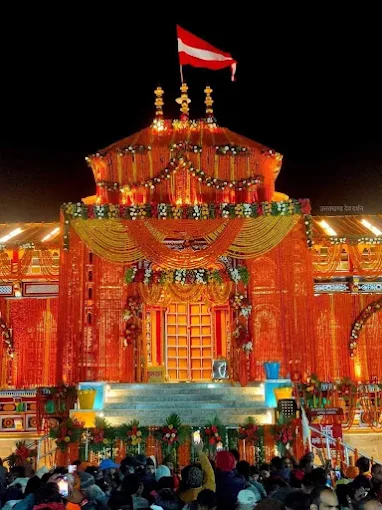
📍 174.48 km away
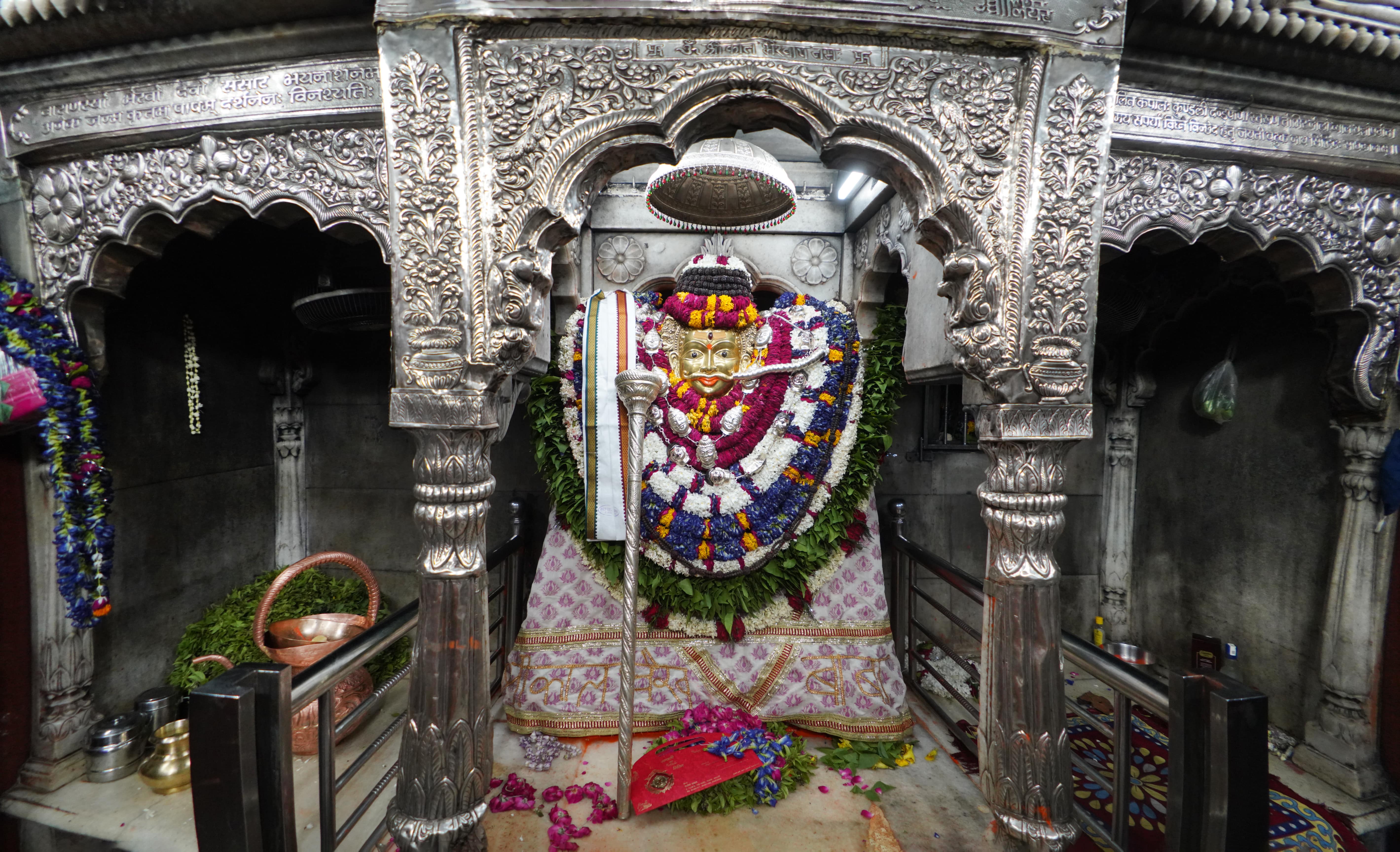
📍 209.00 km away
📍 209.15 km away
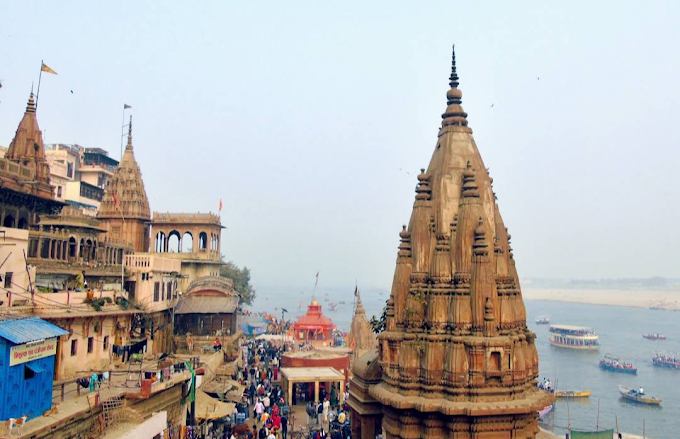
📍 209.30 km away

📍 209.32 km away
Stays near Gaya Maa Mangla Gauri Shakti Peetha

📍 Near Kurinji Andavar Temple · 1,800.7 km
stayStarting from ₹2,000 / night
Discover more temples you may be interested in
You may also like these temples