☰
🛕 Lord Devi | 📍 Varanasi, Varanasi, Uttar Pradesh
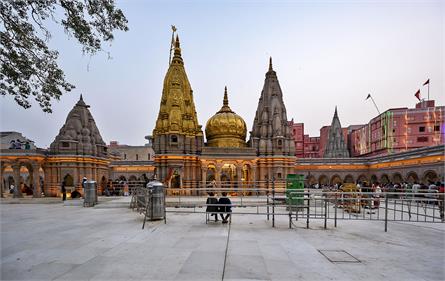
The Sri Kashi Vishalakshi Temple, situated at Mir Ghat (Meer Ghat) along the holy River Ganga in Varanasi, Uttar Pradesh, is revered as one of the sacred 51 Shakti Peethas. According to Hindu theology and the Shakta tradition, the temple marks the sacred spot where the earrings (karna kundala or manikarna gem) or the eyes of Goddess Sati fell after Lord Vishnu dismembered her mortal remains with his Sudarshana Chakra to pacify the cosmic sorrow and grief of Lord Shiva. As a result, the presiding deity is venerated as Vishalakshi, meaning 'She who possesses expansive, all-seeing eyes', and is also revered as Manikarni Devi, directly linking the shrine's spiritual topography to the adjacent, revered Manikarnika cremation ghat and sacred well.
In classical Shakta philosophy, Goddess Vishalakshi represents an embodiment of Parvati in her benevolent Lalitha Tripura Sundari form, while Lord Kaal Bhairav serves as her guardian Bhairava. Along with Kanchi Kamakshi in Tamil Nadu ('She with eyes of desire/love') and Madurai Meenakshi ('She with fish-shaped graceful eyes'), Kashi Vishalakshi ('She with vast divine vision') completes the revered southern Shakta triad of the supreme Goddess's divine gaze. In the spiritual landscape of Kashi, visiting Vishalakshi Temple forms an essential constituent of the primary pilgrimage circle alongside the Jyotirlinga of Shri Kashi Vishwanath, Goddess Annapurna, and Kaal Bhairav. Devotees believe that while Lord Vishwanath grants the taraka mantra for liberation at the time of death, Goddess Vishalakshi nurtures the soul with maternal compassion, inner sight, and the removal of karmic blemishes.
The spiritual heritage of the Vishalakshi shrine in Varanasi is ancient, finding prominent mention in classical Puranic literature, most notably in the Kashi Khanda of the Skanda Purana, the Devi Bhagavata Purana, and the Padma Purana. Historically, Varanasi's sacred riverbank temples underwent multiple waves of desecration and reconstruction during medieval invasions and political upheavals across Northern India.
According to Hindu sacred tradition, Adi Shankaracharya visited this shrine during the 8th century CE, where he pacified the fierce (ugra) aspects of the Goddess by consecrating a Sri Chakra (Sri Yantra) and establishing systematic Vedic and Kumkumarchana rituals.
The verifiable physical structure of the contemporary temple owes its existence to the maritime mercantile community of Tamil Nadu—the Nattukottai Nagarathars (Chettiars). In 1893, the Nagarathars took over the neglected and dilapidated shrine, undertaking extensive rebuilding, restoration, and architectural renovation in a hybrid architectural style blending North Indian haveli layouts with South Indian Dravidian temple elements. A modest South Indian-style gopuram was erected at the entrance, complemented by decorative Tamil inscriptions, gopura sthapis, and guardian iconography.
Inside the garbhagriha (sanctum sanctorum), pilgrims can witness two stone murtis standing side by side. The smaller, ancient black stone murti situated behind is revered as 'Adi Vishalakshi'—believed by tradition to be the self-manifested (Swayambhu) original deity that survived earlier destructions. The taller, exquisitely carved black granite murti in the forefront, holding a lotus and showing the abhaya-varada mudras, was consecrated by the Nagarathar trust in 1971 following a major Ashtabandhana Mahakumbhabhishekam. To this day, the temple is owned, preserved, and administered through the charitable management of the Nattukottai Nagarathar Trust, maintaining a bridge of religious continuity between Tamil Nadu and Kashi.
According to Hindu tradition, unmarried devotees pray to Goddess Vishalakshi for removing obstacles to marriage, while married women seek long life for their spouses and harmonious family life.
Devotional belief holds that sincere prayers, kumkumarchana, and offerings of sarees to the Goddess bless childless couples with offspring and protect infant health.
As the deity of wide cosmic vision (Vishalakshi), traditional belief states that her compassionate glance dispels inner ignorance and grants spiritual discrimination.
Taking a sacred dip in the Ganges at Mir Ghat and having darshan of the Shakti Peetha is traditionally believed to absolve accumulated sins and assist the soul toward moksha.
Under the patronage of Kaal Bhairav and Mother Vishalakshi, devotees believe they are shielded from evil influences, fear of untimely death, and negative astrological afflictions.
A revered Shakta ritual performed by offering energized vermilion (kumkum) to the deity while chanting the thousand sacred names of Sri Lalitha Sahasranamam.
A special traditional ceremony performed particularly on Fridays, offering sacred clothes, turmeric, kumkum, and betel leaves to invoking divine feminine grace for marital longevity.
Nine days of elaborate daily abhishekams and changing traditional decorative forms (Alankarams) of Goddess Vishalakshi celebrated during both Chaitra and Sharad Navaratri.
An annual festival celebrated on the third lunar day of the waning fortnight in the month of Bhadrapada, featuring special fasts, prayers, and local traditional celebrations.
No festivals available.
📍 0.16 km away
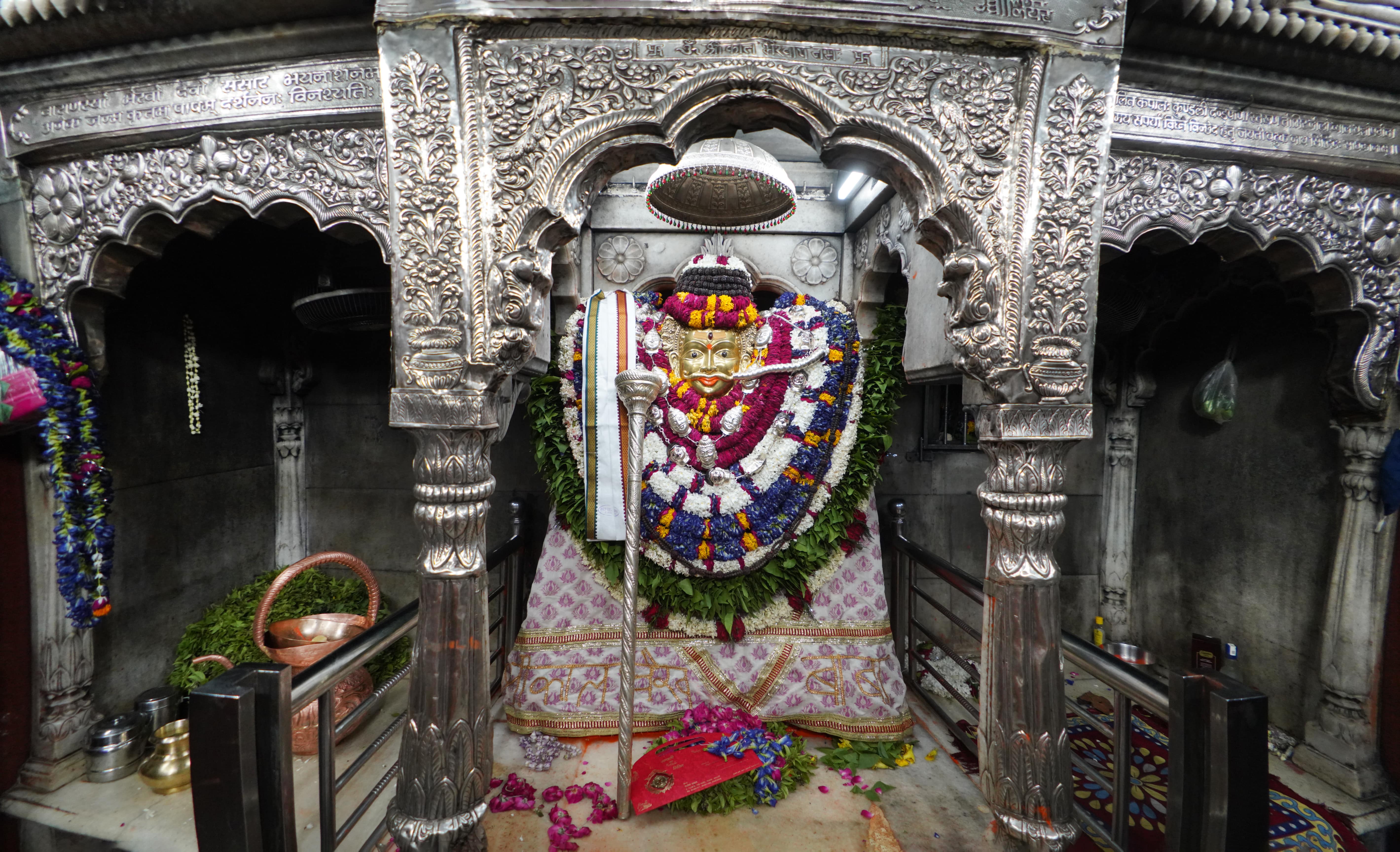
📍 0.95 km away

📍 1.17 km away

📍 5.14 km away
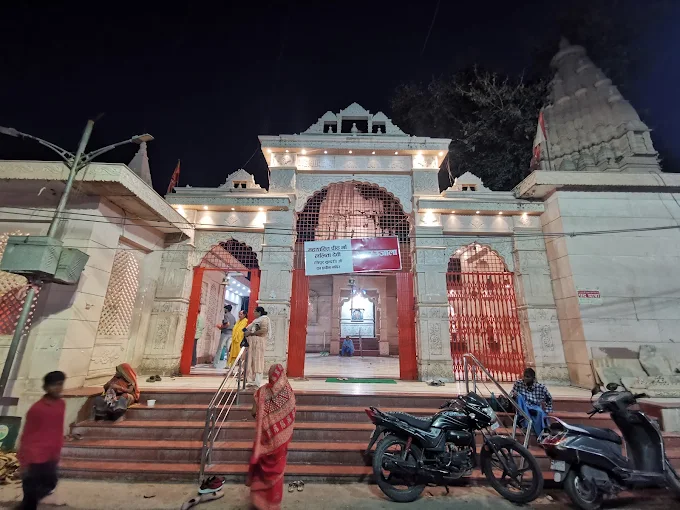
📍 119.59 km away

📍 184.28 km away
Stays near Varanasi Vishalakshi Devi Shakti Peetha

📍 Near Kurinji Andavar Temple · 1,774.1 km
stayStarting from ₹2,000 / night
Discover more temples you may be interested in
You may also like these temples