☰
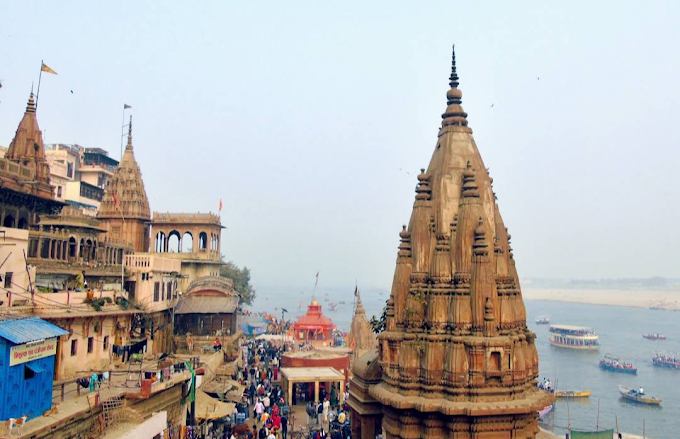
🛕 Lord Shiva | 📍 Varanasi, Varanasi, Uttar Pradesh
Shri Kashi Vishwanath Temple, located on the western bank of the sacred river Ganga in Varanasi, Uttar Pradesh, is one of the twelve holy Jyotirlingas of Lord Shiva and stands at the apex of Hindu pilgrimage. Revered in ancient scriptures as Avimukta Kshetra ('the place never abandoned by Shiva'), the city of Kashi is traditionally believed to rest upon the trident of Mahadeva, remaining eternally protected even during cosmic dissolution (Mahapralaya). In devotional tradition, Lord Shiva resides here as Vishwanatha or Vishweshwara, meaning the 'Lord of the Universe'. The central theological belief of Kashi pilgrimage asserts that those who breathe their last in this holy city receive the Taraka Mantra whispered into their ears by Lord Shiva Himself, granting immediate liberation (Moksha) from the cycle of birth and death (Samsara). Devotees believe that a holy dip in the sacred Ganges followed by darshan and abhishekam of the Kashi Vishwanath Jyotirlinga eradicates accumulated sins of lifetimes. The temple complex is intrinsically linked with Goddess Annapurna (the provider of nourishment) and Lord Kaal Bhairav (the guardian deity or Kotwal of Kashi). Historically and spiritually, Kashi has served as the intellectual and philosophical heart of India, visited by revered spiritual figures including Adi Shankaracharya, Ramanujacharya, Sant Kabir, Goswami Tulsidas, Guru Nanak, and Swami Vivekananda.
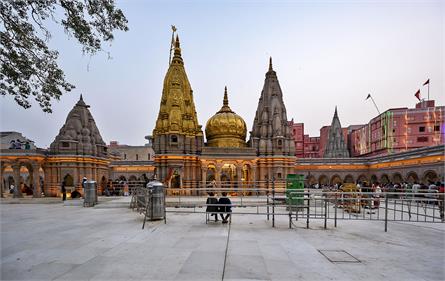
The recorded history of Kashi Vishwanath Temple is a remarkable saga of devotion, repeated destruction during medieval foreign invasions, and resilient reconstruction spanning many centuries. Mentions of the sacred Avimukteshwara Linga appear in early Hindu texts, notably the Skanda Purana (Kashi Khanda) and the Mahabharata, establishing the antiquity of worship at the site. Historical records indicate that the temple was first demolished in 1194 CE by Qutb-ud-din Aibak, the commander of Muhammad Ghori, after defeating Raja Jaichand of Kannauj. In the 13th century, during the rule of Delhi Sultan Iltutmish, the temple was rebuilt through the efforts of a Gujarati merchant, only to be dismantled again in the 15th century under the Sharqi Sultanate of Jaunpur or Sikandar Lodi. In 1585 CE, Raja Todar Mal, the finance minister of Mughal Emperor Akbar, patronized the grand reconstruction of the temple alongside renowned scholar Narayana Bhatta. However, in 1669 CE, Mughal Emperor Aurangzeb issued a royal decree ordering the complete demolition of the temple, following which the Gyanvapi Mosque was constructed using parts of the plinth and foundations of the demolished shrine. The current structure was built adjacent to the mosque in 1780 CE by the pious Maratha ruler Maharani Ahilyabai Holkar of Indore, whose contribution resurrected daily worship at the site. In 1839 CE, Maharaja Ranjit Singh, the ruler of the Sikh Empire in Punjab, donated approximately one tonne of gold to clad two of the temple's magnificent spires, giving it the epithet 'The Golden Temple of Varanasi'. In 1983, the administration of the temple was taken over by the Government of Uttar Pradesh under the Shri Kashi Vishwanath Temple Act. In December 2021, the ambitious Shri Kashi Vishwanath Dham Corridor was inaugurated, modernizing pilgrim amenities and creating a direct, expansive pedestrian link between the temple and the Ganges ghats.
According to Hindu religious belief, breathing one's last in Kashi or worshipping Lord Vishwanath leads to liberation from the cycle of birth and death, as Lord Shiva grants the Taraka Mantra.
Traditional devotional faith holds that a sacred dip in the Ganges paired with darshan of the Jyotirlinga dissolves accumulated sins and past karmic burdens.
Devotees worship Lord Shiva as Mahakala and Mrityunjaya at this shrine to overcome fear of untimely death, illness, and anxiety, seeking divine protection.
Because Lord Shiva received alms from Goddess Annapurna in Kashi, praying here is traditionally believed to prevent hunger, poverty, and material scarcity.
Pilgrims believe that meditating in the sanctum and participating in the sacred Vedic aartis calms the restless mind and deepens spiritual insight.
Official priority darshan seva arranged by the Shri Kashi Vishwanath Temple Trust, providing expedited sanctum entry via a dedicated queue, locker facility, priest escort, and prasadam.
Vedic recitation of Sri Rudram from the Yajurveda and ritual holy bathing of the Shiva Linga with milk, honey, panchamrita, and holy waters, performed by one dedicated Vedic priest.
Elaborate Rudrabhishek ritual performed by five qualified Vedic scholars chanting Sri Rudram in unison, along with detailed archana and offerings.
Comprehensive Rudrabhishekam conducted simultaneously by eleven Vedic priests with extensive Vedic stotras and sacred oblations.
Grand Vedic chanting ritual consisting of 121 recitations of Sri Rudram performed by eleven priests for special spiritual and domestic intentions.
Official admission pass issued by the temple trust to attend the sanctum pre-dawn awakening ceremony between 03:00 AM and 04:00 AM (standard regular day tariff).
Reserved darshan pass allowing devotees to sit and witness the ancient evening Sapta Rishi Aarti ceremony performed by seven archakas.
Annakut Mahotsav is celebrated annually at the Shri Kashi Vishwanath Temple on the day following Diwali (Kartik Shukla Pratipada). In Shaiva and local Kashi traditions, this festiv...
Dev Deepawali ('Diwali of the Gods') is celebrated fifteen days after Diwali on Kartik Purnima. According to Hindu religious belief, Lord Shiva defeated the demon Tripurasura on th...
Makar Sankranti, locally known in eastern Uttar Pradesh as Khichdi Parv, marks the astronomical transition of the Sun into Makara Rashi (Capricorn). At the Kashi Vishwanath Temple,...
Maha Shivaratri is the most sacred and heavily attended annual festival at Shri Kashi Vishwanath Temple, marking both the cosmic dance of Shiva (Tandava) and the divine wedding of...
Rangbhari Ekadashi (observed on Amalaki Ekadashi) is a signature festival specific to Varanasi and Shri Kashi Vishwanath Temple. Tradition holds that on this day, Lord Shiva brough...
Shravan Maas is the month-long monsoon pilgrimage season dedicated entirely to the veneration of Lord Shiva. Millions of devotees and Kanwariyas travel to Varanasi on foot to perfo...
📍 0.16 km away
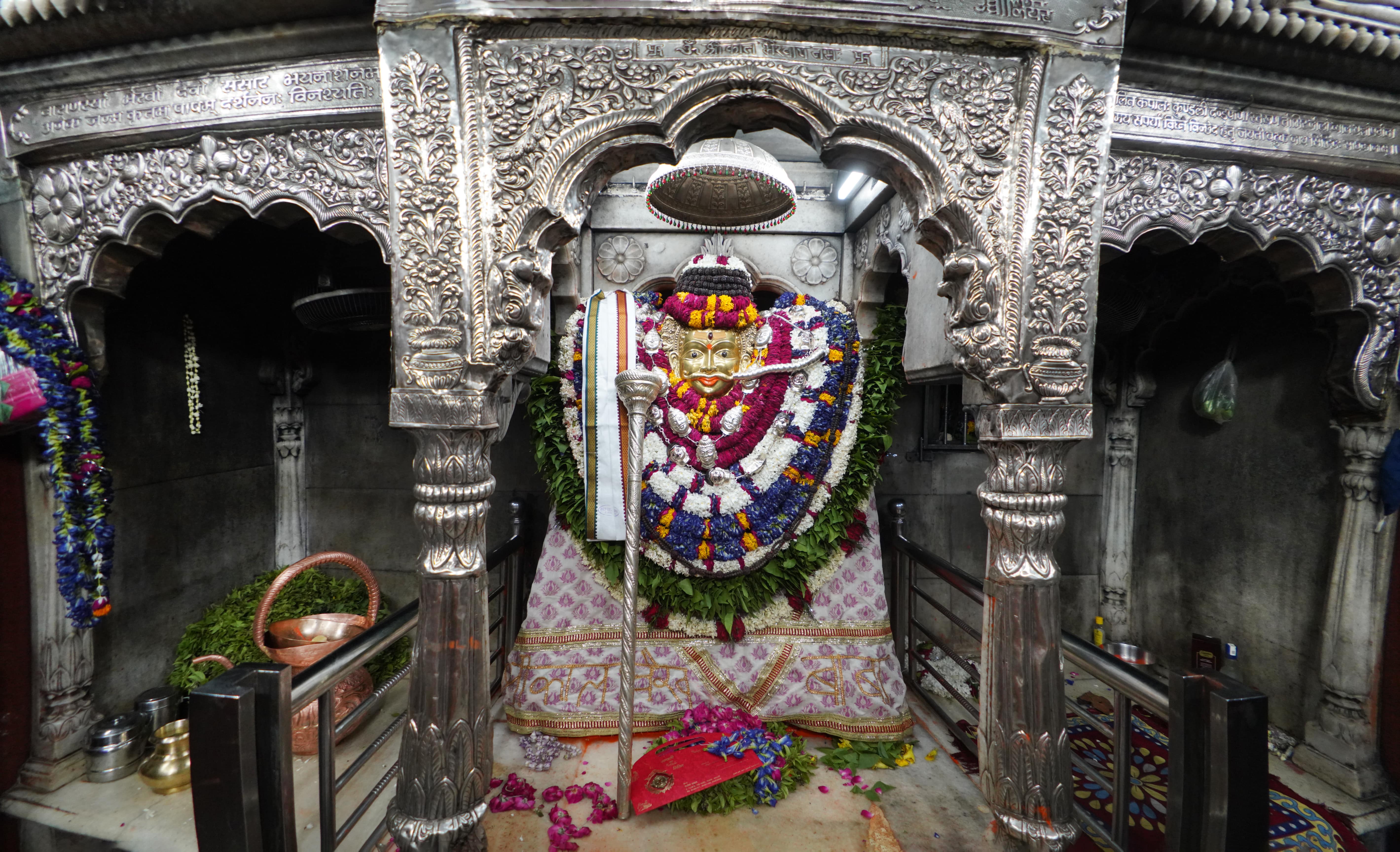
📍 0.92 km away

📍 1.10 km away

📍 5.19 km away
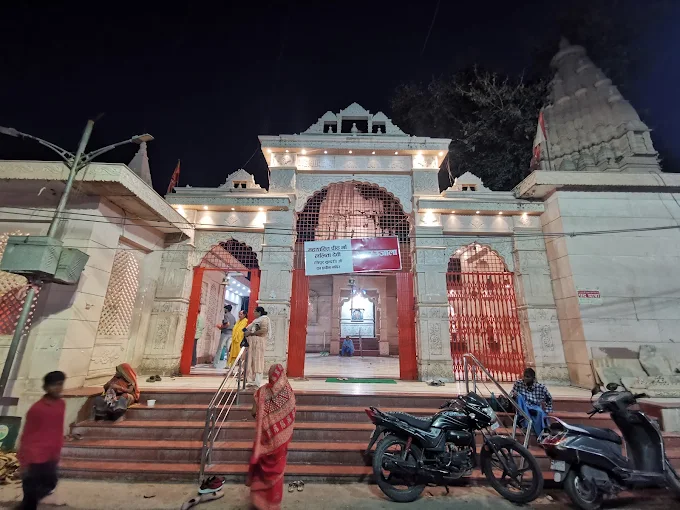
📍 119.46 km away

📍 184.14 km away
Stays near Kasi Viswanathar Temple, Varanasi

📍 Near Kurinji Andavar Temple · 1,774.2 km
stayStarting from ₹2,000 / night
Discover more temples you may be interested in
You may also like these temples