☰
🛕 Lord Devi | 📍 Deoghar, Deoghar, Jharkhand
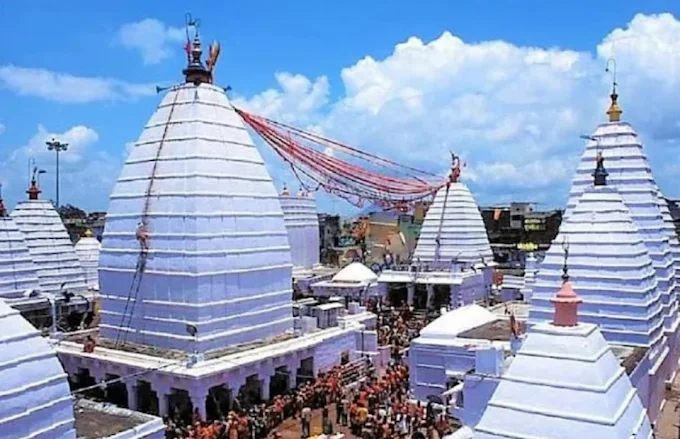
Jai Durga Shakti Peetha, situated within the renowned Baba Baidyanath Dham temple complex in Deoghar, Jharkhand, holds profound spiritual importance in Sanatana Dharma. According to Hindu sacred texts including the Shiva Purana and Devi Bhagavata Purana, this sacred site is venerated as the 'Hridaya Peetha'—the holy spot where the heart (hridaya) of Goddess Sati fell after her body was severed into 51 pieces by Lord Vishnu's Sudarshan Chakra to relieve Lord Shiva's cosmic grief. At this shrine, the Divine Mother is worshipped as Jai Durga (also venerated alongside Maa Parvati and Tripura Sundari), while Lord Shiva presides as the protector Bhairava in the manifestation of Baidyanath (the divine physician). Deoghar represents an extraordinarily rare sacred confluence in India, where one of the twelve Maha Jyotirlingas and one of the 51 Shakti Peethas reside together within the same courtyard, directly facing each other. Because Sati's heart fell and was traditionally believed to be cremated here by Lord Shiva, the sacred precincts are also reverently referred to as 'Chitabhumi'. A distinctive devotional tradition here is the 'Gathbandhan', wherein devotees tie long sanctified red cloths connecting the spires of the Shiva temple and the Parvati/Durga temple, symbolizing the eternal cosmic union of Prakriti and Purusha.
The history of the Jai Durga Shakti Peetha is intertwined with the hoary antiquity of the Baidyanath Dham complex. In ancient Sanskrit texts and puranic geography, the region was known as 'Haritakivana' or 'Ketakivana'. Traditional lore connects the temple with the Treta Yuga, where the demon king Ravana performed intense penance to Lord Shiva, sacrificing his ten heads. Pleased by his devotion, Shiva healed him as 'Vaidya' (the divine physician) and granted him the Kamna Linga under the condition that it not be set down en route to Lanka; however, through divine intervention by Lord Ganesha, it was grounded at this holy spot and became permanent. Historically, the architectural complex comprises 22 shrines built across different centuries. Stone inscriptions present at the site record that Maharaja Puran Mal, an ancestor of the Rajas of Giddhaur, undertook significant construction and renovation of the main temple structures in 1596 CE. Over subsequent centuries, local chieftains, the royal family of Darbhanga, and traditional Panda priestly lineages made extensive endowments. While legends preserve the sacred arrival of the Shakti Peetha and Jyotirlinga, epigraphical evidence establishes continuous worship and patron-led temple maintenance from at least the 16th century CE under the regional rulers of Bengal and Bihar.
Devotees traditionally believe that participating in the Gathbandhan ceremony—tying sacred threads between the shrines of Shiva and Jai Durga—removes discord and bestows harmony and longevity to marriages.
As the sacred Hridaya Peetha (abode of Devi Sati's heart), visiting this shrine is traditionally believed to soothe grief, alleviate emotional turmoil, and grant inner spiritual tranquility.
Devotional tradition reveres the presiding deity alongside the Kamna Linga, where heartfelt prayers for righteous family welfare, health, and prosperity are believed to be fulfilled.
Worshipping Lord Shiva as the supreme physician (Vaidyanath) alongside the nurturing presence of Mother Jai Durga is devoutly believed to aid recovery from persistent ailments.
In traditional Shakta and Shaiva beliefs, seeking refuge at this tantric and spiritual powerhouse is considered an effective safeguard against negative energies and planetary adversities.
A celebrated ritual where an auspicious red silk cloth is tied connecting the shikharas of Baba Baidyanath and Mata Parvati/Durga temples, performed especially by couples and families for marital bliss.
A sacred Vedic ablution of the Jyotirlinga and worship of the Divine Mother using milk, holy water, honey, curd, and sugarcane juice to invoke divine blessings for health and prosperity.
Special ceremonial seva involving offering decorative silver umbrellas (chhatra), sarees, and flower crowns to Goddess Jai Durga and Baba Baidyanath during evening ceremonies.
Shravani Mela is one of India's largest annual walking pilgrimages, spanning the entire Hindu month of Shravan. Millions of Kanwariyas collect holy Ganga water from Sultanganj and...
The spring Navratri is observed at the Jai Durga Shakti Peetha with special pujas, Kalash Sthapana, and recitations of Vedic hymns honouring the feminine divine. Devotees observe f...
Shardiya Navratri is the primary festival dedicated to Maa Jai Durga at this Shakti Peetha, revered as the Hridaya Peeth (where Sati's heart is believed to have fallen). During the...
Basant Panchami Tilkotsav marks the ceremonial inauguration of the celestial wedding celebrations of Lord Shiva and Goddess Parvati (Maa Jai Durga). Pilgrims, particularly from the...
Maha Shivaratri celebrates the divine marriage of Lord Shiva and Goddess Parvati (Shakti). Within the complex, a central ritual is the Gathbandhan ceremony, where temple climbers (...
📍 0.04 km away
📍 96.54 km away
📍 116.41 km away
📍 134.81 km away
📍 135.44 km away
📍 157.20 km away
Stays near Deoghar Jai Durga Shakti Peetha

📍 Near Kurinji Andavar Temple · 1,860.3 km
stayStarting from ₹2,000 / night
Discover more temples you may be interested in
You may also like these temples