☰
🛕 Lord Vishnu | 📍 Thirukkarambanoor, Tiruchirappalli, Tamil Nadu
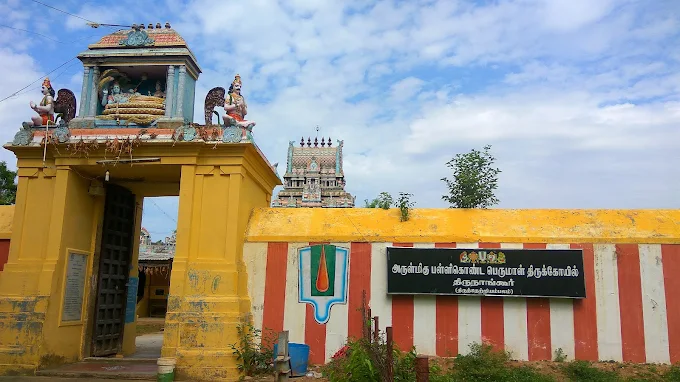
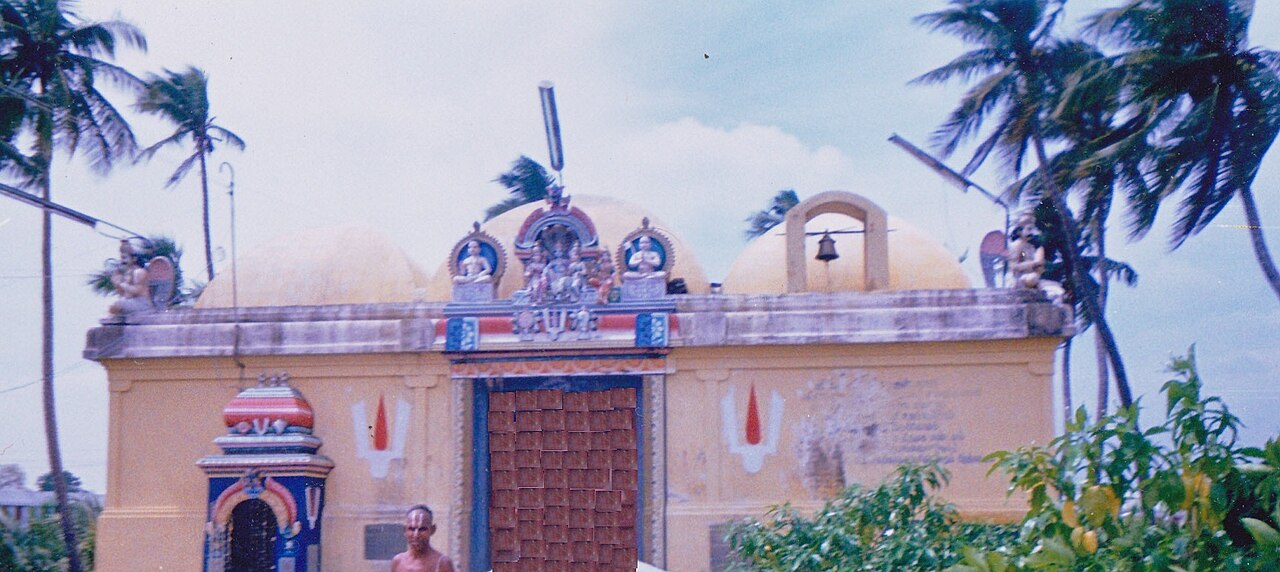
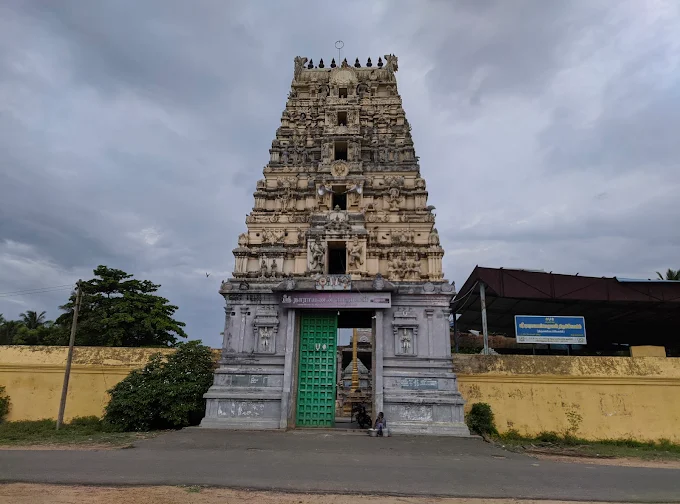
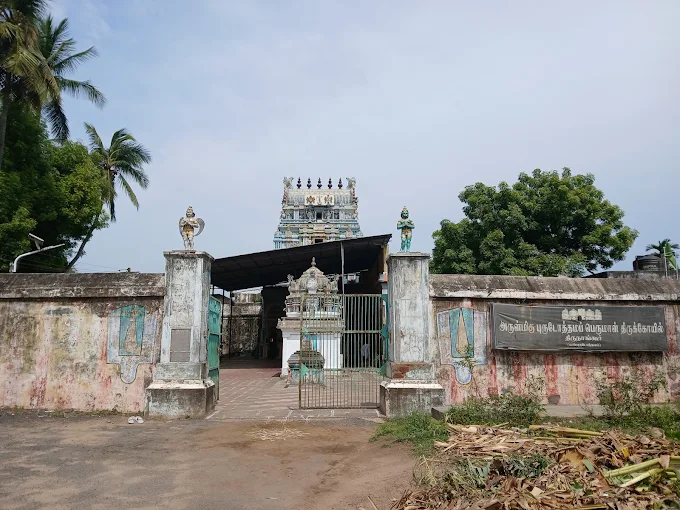
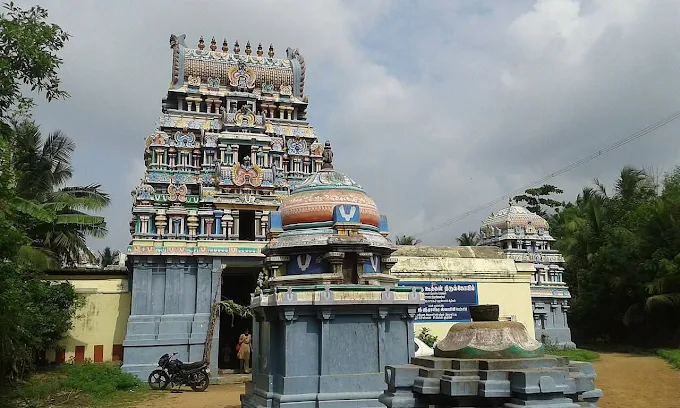
Sri Purushothaman Perumal Temple, popularly known as Uthamar Koil, Thirukkarambanoor, or Bhikshandar Koil, is one of the most uniquely revered shrines among the 108 Divya Desams praised in the Nalayira Divya Prabandham (specifically in the hymns of Thirumangai Alvar). Located on the northern outskirts of Tiruchirappalli near the Kollidam River, the temple is exceptionally distinguished as a Trimurti and Saptha Guru Sthalam. Unlike almost all traditional Hindu temples where Shaivite, Vaishnavite, and Brahma shrines remain separate, Uthamar Koil houses shrines for all three supreme deities of the Hindu Trinity—Lord Vishnu, Lord Shiva, and Lord Brahma—along with their divine consorts, Goddess Lakshmi (Poornavalli Thayar), Goddess Parvati (Soundarya Nayaki), and Goddess Saraswati. The presiding deity, Lord Purushothama Perumal, reclines in the sacred Bhujanga Sayanam posture facing east under the Udyoga (or Vimalakruthi) Vimanam. Lord Shiva is enshrined in the form of a Lingam and venerated in his Bhikshadana aspect, commemorating the traditional episode where he wandered as an ascetic to atone for Brahmahatya dosha and received sacred alms from Goddess Poornavalli, which filled his begging bowl and alleviated his hunger. Furthermore, the shrine is venerated as a rare Saptha Guru (Seven Gurus) Kshetram, housing representations of Brahma Guru (Lord Brahma), Vishnu Guru (Lord Varadaraja Perumal), Shiva Guru (Lord Dakshinamurthy), Shakti Guru (Soundarya Nayaki), Jnana Guru (Lord Subramanya), Deva Guru (Brihaspati), and Asura Guru (Sukracharya). Pilgrims from across India visit this sacred temple seeking guru parikaram (relief from planetary afflictions of Jupiter), academic excellence, family harmony, and spiritual liberation.
The recorded history of Uthamar Koil traces its architectural origins back to the Medieval Chola era, with the foundational granite sanctum believed to have been constructed during the late 8th to 10th centuries CE. Epigraphical records and structural features demonstrate continued patronisation and renovations under subsequent dynasties, including the Later Cholas, the Vijayanagara Empire, and the Madurai Nayaks, each adding sub-shrines, mandapams, and perimeter walls. According to historical military records, the temple held tactical significance during the mid-18th-century Anglo-French Carnatic Wars. In 1751 CE, during the Siege of Trichinopoly, the fortified compound of Uthamar Koil was briefly occupied and used as a garrison outpost by both French and British forces alternately; notably, the sacred structures remained undamaged through the skirmishes. In devotional tradition and temple lore (sthalapurana), the site is rooted in antiquity under the names Kadhambavanam and Thirukkarambanoor. Devotional traditions recorded in texts like the Brahmanda Purana recount that Lord Brahma, saddened by the absence of earthly temples dedicated to him, performed rigorous penance here toward Lord Vishnu. Vishnu tested him by appearing in the form of a Kadamba tree, which Brahma recognized and revered, prompting the Lord to grant Brahma an enduring place of worship beside him. Another hagiographic account details that when Lord Shiva clipped the fifth head of Brahma, the skull adhered to his palm as a consequence of Brahmahatya dosha; only when Goddess Lakshmi dropped grains of rice into the skull bowl at this sacred grove did the vessel become full, quenching Shiva's divine hunger before his ultimate absolution at Thirukkandiyur. Today, the temple stands preserved under the administration of the Hindu Religious and Charitable Endowments (HR&CE) Department of Tamil Nadu.
Devotees traditionally believe that worshipping at this unique Saptha Guru Sthalam—featuring Lord Brahma, Dakshinamurthy, Varadaraja Perumal, and Brihaspati—removes planetary afflictions associated with Brihaspati (Jupiter) and brings divine guidance.
It is a longstanding tradition for students and aspirants to offer prayers at the rare standalone shrines of Lord Brahma and Goddess Saraswati to seek blessings for academic excellence, intellect, and memory power.
Because the Trimurti deities reside here peacefully alongside their respective consorts, traditional belief holds that married couples worshipping here receive blessings for enduring harmony, mutual respect, and resolution of matrimonial disputes.
Reflecting the tradition wherein Goddess Poornavalli satiated the hunger of Lord Shiva and helped relieve his dosha, devotees pray here to overcome burdensome debts, financial distress, and past karmic encumbrances.
Devotional lore associates prayers to Lord Purushothama Perumal and Poornavalli Thayar with the fulfillment of parenthood prayers for couples experiencing difficulties in conceiving.
Special archana, parikara abhishekam, and yellow-cloth offerings conducted every Thursday and on Guru Peyarchi (Jupiter transit) days at the Brahma and Dakshinamurthy shrines.
Traditional ritual bath performed for the utsava deities of Lord Purushothama, Poornavalli Thayar, and Shiva Lingam on auspicious asterisms like Ekadashi, Pradosham, and Pournami.
A unique annual ritual in the Tamil month of Karthigai where a bonfired palm spire (Chokkapanai) is lit in three directions honoring Lord Vishnu, Lord Shiva, and Lord Brahma.
Sacred immersion and theppam (float) ritual held at Kadamba Theertham and the Kollidam riverbanks, celebrated for Lord Vishnu in Chithirai and for Lord Shiva in Vaikasi.
No festivals available.
📍 2.20 km away
📍 2.61 km away

📍 4.09 km away
📍 4.36 km away
📍 5.55 km away
Stays near Uttamar Koil Sri Purushothaman Perumal Temple

📍 Near Kurinji Andavar Temple · 150.4 km
stayStarting from ₹2,000 / night
Discover more temples you may be interested in
You may also like these temples