☰
🛕 Lord Vishnu | 📍 Thirunangur, Mayiladuthurai, Tamil Nadu
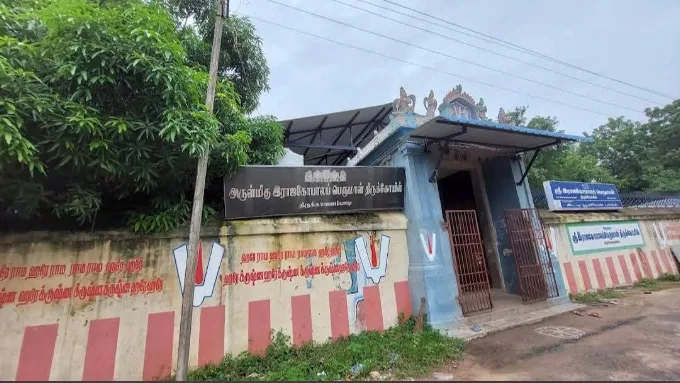
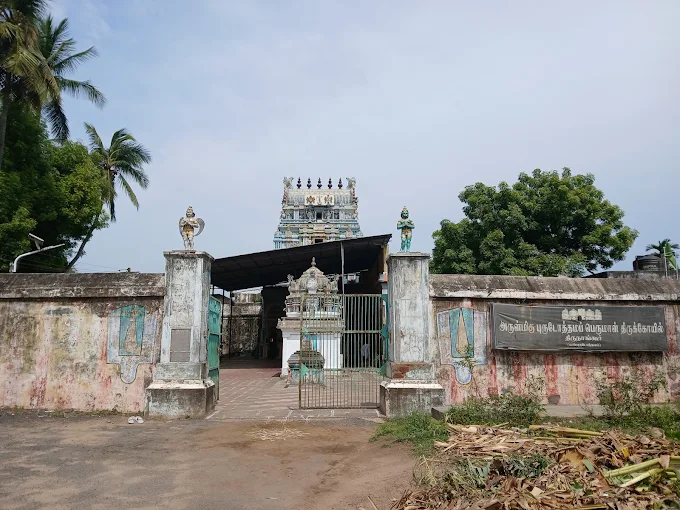
Thiru Van Purushothamam Purushothama Perumal Temple is one of the revered 108 Divya Desams celebrated in the Sri Vaishnava tradition, classified under the sacred Chola Nadu shrines. It forms an integral part of the renowned 'Thirunangur Tirupathis'—a sacred cluster of eleven Divya Desam temples situated in close proximity in and around Thirunangur near Sirkazhi. The presiding deity, Lord Purushothama Perumal, graces devotees in a standing posture (Nindra Thirukolam) facing east, flanked by Sridevi and Bhoodevi. The Divine Mother is enshrined in an independent sanctum facing south-west as Sri Purushothama Nayaki (also known as Pankajavalli). The vimana above the garbhagriha is venerated as the 'Sanjeevi Vigraha Vimana', echoing the healing and life-restoring grace associated with Lord Rama and Sri Anjaneya. According to Vaishnava theology, the divine title 'Purushothama' signifies the Supreme Being who stands superior to both mortal souls (Kshara) and liberated celestial beings (Akshara). In temple tradition, Sage Thirumangai Azhwar experienced the presiding Lord as Maryada Purushottama Sri Rama of Ayodhya, composing ten pasurams (Periya Thirumozhi) in divine praise. Devotees hold the sacred tank, Thirupparkadal Theertham, in high esteem, believing its crystal-clear water embodies the purifying essence of the Primordial Milky Ocean. The temple stands as an emblem of parental compassion, divine refuge, and unconditional grace.
The origins and foundational legends of the Thiru Van Purushothamam temple are woven into the sacred sthala purana of the Thirunangur cluster. Traditional lore relates that following the cosmic tragedy of Daksha's yajna and the self-immolation of Sati, Lord Shiva danced the destructive Rudra Tandava in supreme anguish. As eleven strands of Shiva's matted hair struck the earth, eleven intense manifestations of Rudra emerged. Fearing universal annihilation, the celestials sought the intervention of Lord Vishnu. Lord Vishnu manifested before Shiva and, to appease his fury and balance the cosmic energies, manifested in eleven divine forms, around which the eleven Thirunangur shrines arose. Another central sthala purana recounts the divine compassion shown to Upamanyu, the infant son of Sage Vyaghrapada (Vyakrapada). When the sage brought his young child to the forest clearing and went to gather sacred blossoms, the infant wept inconsolably from hunger. Responding to the child's cries, Lord Vishnu brought forth an embodiment of the celestial Milk Ocean (Kshirasagara)—manifested here as the Thirupparkadal Theertham—and Goddess Purushothama Nayaki personally nourished the infant. From a historical and epigraphical perspective, the temple evolved in the fertile Kaveri delta during the early medieval era. The sanctum and surrounding structures reflect classical Dravidian architecture of the Chola period, with subsequent architectural and endowment enhancements made under the Later Cholas and Vijayanagara rulers. Notable Vaishnava acharya Sri Manavala Mamunigal is traditionally recorded to have resided at this sacred shrine for two years performing divine kainkaryam. In modern times, the temple is administered under the Hindu Religious and Charitable Endowments (HR&CE) Department of the Government of Tamil Nadu, supported by various Vaishnava trusts that participate in preserving the rituals and festivals of the Thirunangur circuit.
Rooted in the devotional belief of Lord Vishnu and Mother Purushothama Nayaki providing milk to the infant Upamanyu, childless couples pray here for progeny, and parents pray for the health and vitality of young infants.
Devotees traditionally worship Purushothama Perumal and Purushothama Nayaki to remove long-standing impediments in matrimonial alliances and bring harmony into domestic life.
According to the pasurams of Thirumangai Azhwar, meditating upon Lord Purushothama grants spiritual merit equivalent to visiting Ayodhya, delivering devotees from cyclic sins and granting spiritual liberation.
The presence of the Sanjeevi Vigraha Vimana—symbolic of the revitalizing celestial herb Sanjeevani—inspires the belief that prayer here dispels persistent physical ailments and restores vigour.
Sacred ceremonial bath performed to the utsavar deities using milk, curd, honey, panchamritam, and consecrated holy water on auspicious days such as Ekadasi, Swati, and festival occasions upon devotee request.
Recitation of the thousand holy names of Lord Maha Vishnu by temple priests, conducted for the removal of astrological afflictions and fulfillment of prayers.
Annual manifestation of Sri Purushothama Perumal mounting the sacred Garuda Vahana to participate in the legendary Thirunangur 11 Garuda Sevai festival following Thai Amavasya.
No festivals available.
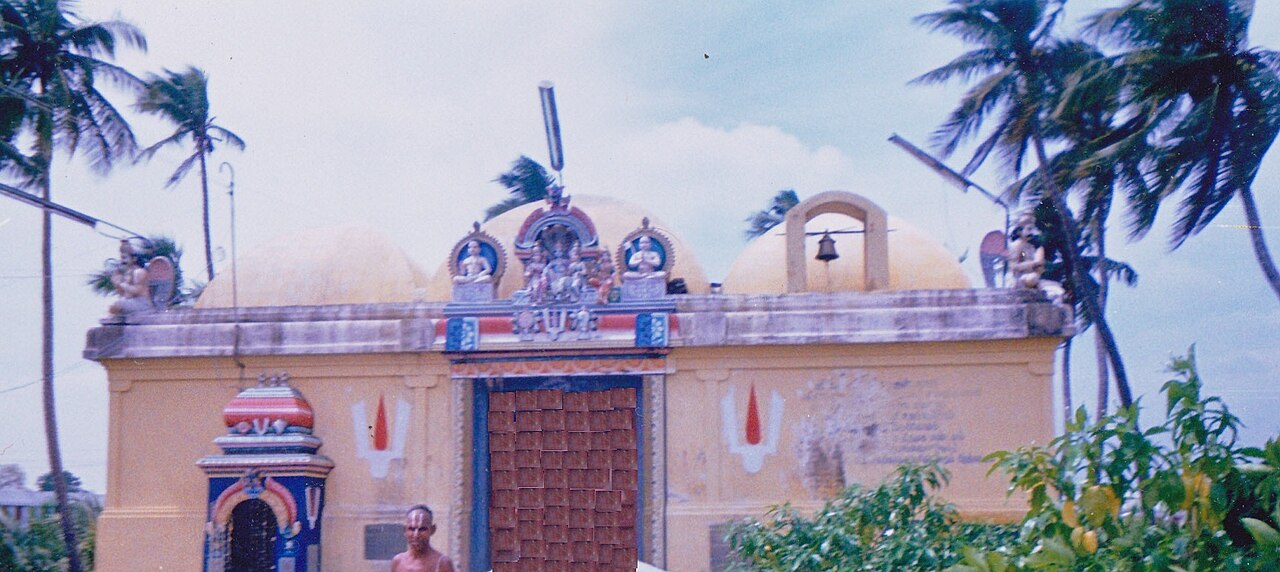
📍 0.19 km away
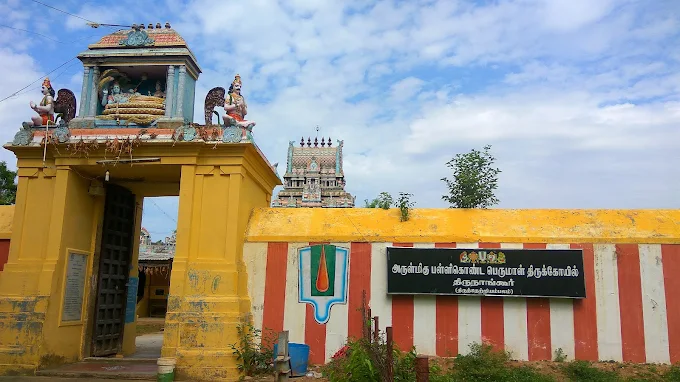
📍 0.24 km away
📍 0.25 km away
📍 0.41 km away
📍 0.46 km away
📍 0.53 km away
Stays near Thiru Van Purushothamam Purushothama Perumal Temple

📍 Near Kurinji Andavar Temple · 270.9 km
stayStarting from ₹2,000 / night
Discover more temples you may be interested in
You may also like these temples