☰
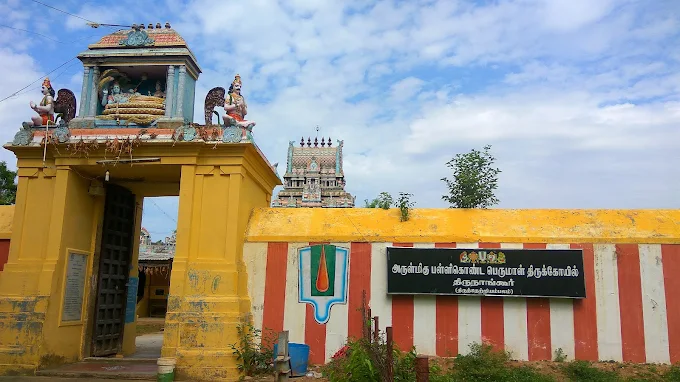
🛕 Lord Vishnu | 📍 Thirunangur, Mayiladuthurai, Tamil Nadu
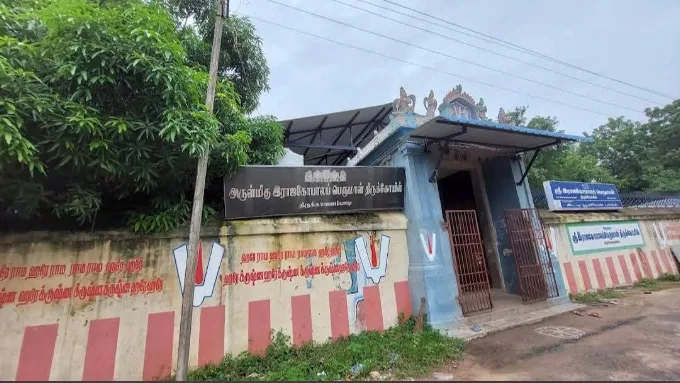
Thiru Thetri Ambalam Senganmal Ranganatha Perumal Temple (also known as Palli Konda Perumal Temple) is a revered Hindu shrine dedicated to Lord Vishnu, situated in Thirunangur village near Sirkazhi in the Mayiladuthurai district of Tamil Nadu. It is celebrated as the 28th among the ancient 108 Divya Desams praised in the Nalayira Divya Prabandham by the early medieval Vaishnavite poet-saint Thirumangai Alvar, who dedicated a full decachord (10 pasurams in Periya Thirumozhi) to this deity. The temple stands out uniquely within the 108 Divya Desams for bearing the title 'Ambalam'—a term commonly used in Tamil tradition and Saivite temples (such as Chidambaram) to indicate an open hall, sacred court, or elevated dance stage. The term 'Thetri' refers to an elevated platform, terrace, or seat of pacification and solace. According to devotional traditions, Lord Vishnu reclines facing east atop the five-headed serpent couch Adisesha in 'Bhujanga Sayanam' (Yoga Nidra), displaying four arms (Chaturbhuja). Uniquely, the Lord is hailed as 'Senganmal'—the red-eyed Lord—because His eyes are said to radiate the delicate reddish hue of blooming lotuses, reflecting divine intensity in quelling cosmic imbalance followed by supreme maternal compassion (vatsalya) toward surrendered devotees. The temple forms an indispensable part of the sacred 11 Thirunangur Tirupathis (Ekadasha Thirunangur Divya Desams). Devotees traditionally believe that worshiping Senganmal Ranganathar here bestows blessings equivalent to visiting Srirangam Ranganathaswamy Temple.
Historically, Thiru Thetri Ambalam belongs to the early medieval Chola region, where village settlements and temple endowments flourished along the fertile Kaveri delta. Epigraphical and literary evidence confirms that the Thirunangur region was a renowned center of Vedic culture, supported by 108 families of traditional Vedic scholars under the patronage of Chola monarchs. The temple’s sanctum, stone walls, and mandapam demonstrate the characteristic structural hallmarks of late Chola and Vijayanagara architectural styles, marked by modest single-prakaram granite masonry, an east-facing sanctum with a brick Veda Vimana, and a stone Mahamandapam enshrining the 12 Alvars and Sri Anjaneya. According to scriptural legend and sthala purana, Lord Vishnu manifested in eleven divine forms across Thirunangur to calm Lord Shiva, whose intense grief and cosmic dance of destruction (Rudra Tandavam) following the Daksha Yajna had threatened the stability of the cosmos. At Thiru Thetri Ambalam, Vishnu is said to have appeared to pacify the Rudra of Saarva Peedam. Another celebrated puranic legend links the shrine to the Varaha Avatara: when Lord Vishnu descended to the netherworld (Patala) to vanquish the demon Hiranyaksha and rescue Mother Earth (Bhudevi), Goddess Mahalakshmi and Adisesha awaited His return at Palasavanam (Thirunangur). Upon fulfilling His mission, the Lord returned with lotus-reddened eyes and rested here, granting darshan to Lakshmi, Shiva, and Adisesha. Legend also recounts that Sage Parasara attained divine spiritual vision after performing severe penance at this sanctum. Today, the temple functions under the administrative oversight of the Thirunangur Ezhu Koil Adheenam and the Hindu Religious & Charitable Endowments (HR&CE) Department of Tamil Nadu.
According to the verses of Saint Thirumangai Alvar and local temple tradition, devotees who sincerely surrender and sing the praise of Senganmal are believed to attain high administrative positions, professional prosperity, and noble status in life.
Because the presiding Lord is manifested as 'Senganmal' (the red-eyed lotus Lord), traditional belief attributes curative blessings for optical complaints and spiritual discernment to worship conducted at this shrine.
Pilgrims hold the sacred tradition that offering Tulsi archana and participating in pujas here helps purify generational karma and grants spiritual upliftment equivalent to visiting Srirangam.
Rooted in the sthala purana of pacifying Lord Shiva's fierce Rudra form, meditating upon Senganmal Ranganatha in Yoga Nidra is traditionally sought to calm severe anger, emotional agitation, and family discord.
Annual festive event held in the Tamil month of Thai (January/February) on the day after Thai Amavasya, where Sri Senganmal Ranganathar rides a golden Garuda Vahana alongside the deities of all 11 Thirunangur Divya Desams to receive the mangalasasanam of Thirumangai Alvar.
Special archana dedicated to Moolavar using fresh sacred Tulsi leaves and traditional sweet rice pudding (Sarkarai Pongal) as a vow-offering for elevation and prosperity.
Observed during the Tamil month of Margazhi (December/January) with special abhishekam, grand decorative alankaram, and sacred procession honoring Lord Ranganatha.
Ceremonial holy bath (abhishekam) performed on designated asterisms and auspicious festival days for the bronze Utsava deities with milk, curd, honey, and herbal waters.
No festivals available.
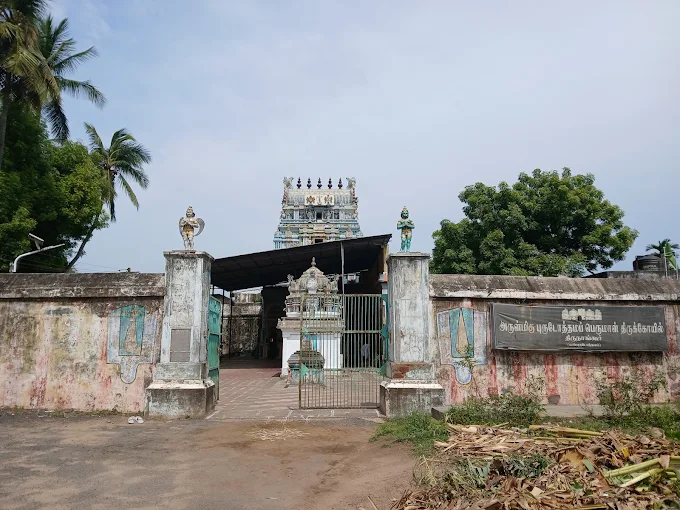
📍 0.24 km away
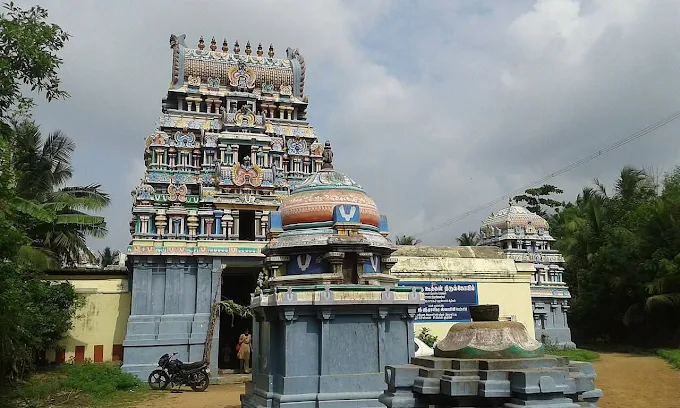
📍 0.25 km away
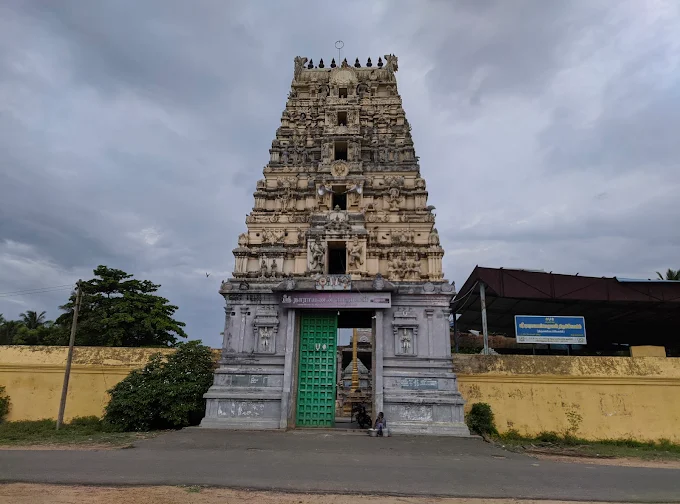
📍 0.29 km away
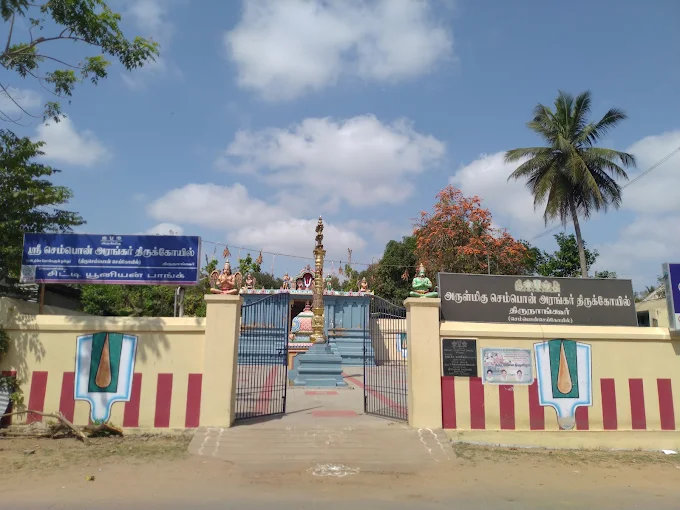
📍 0.33 km away
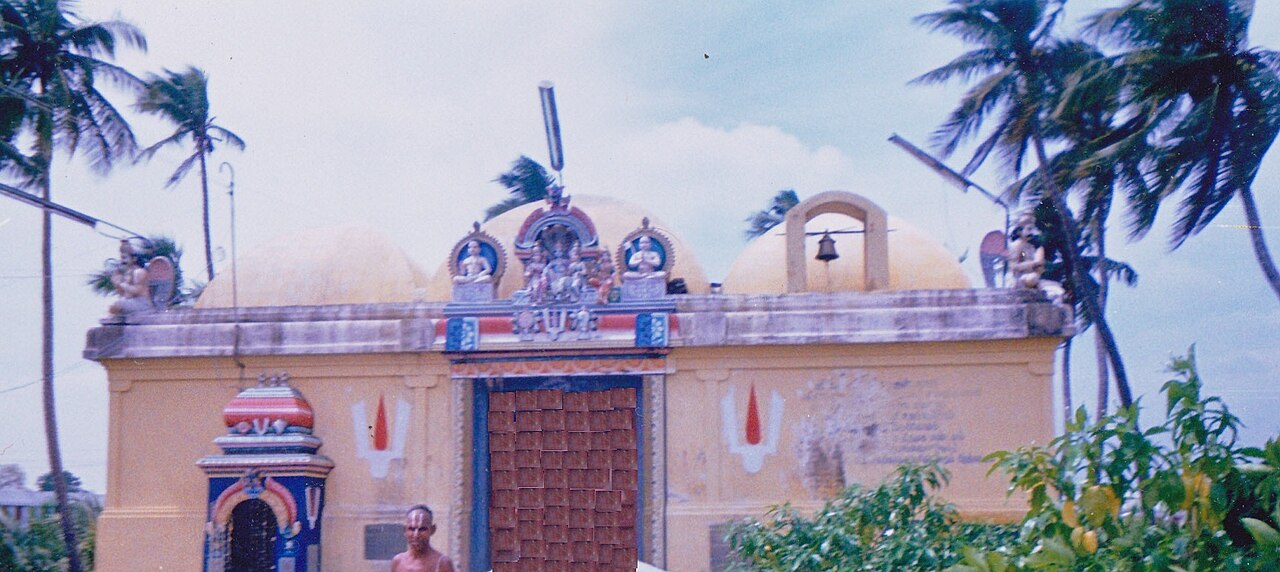
📍 0.40 km away
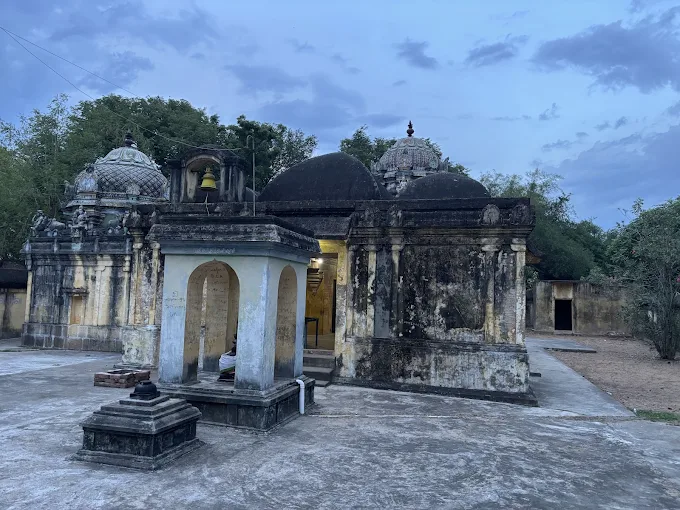
📍 0.58 km away
Stays near Thiru Thetri Ambalam Senganmal Ranganatha Perumal Temple

📍 Near Kurinji Andavar Temple · 270.8 km
stayStarting from ₹2,000 / night
Discover more temples you may be interested in
You may also like these temples