☰
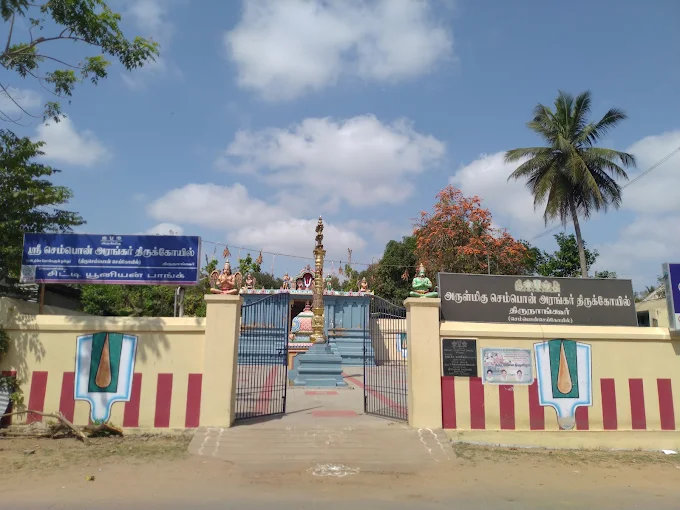
🛕 Lord Vishnu | 📍 Thirunangur, Mayiladuthurai, Tamil Nadu
Thiru Sempon Sei Koil, also known as the Sri Perarulalan Perumal Temple or Sempon Arangar Kovil, is revered as the 37th Divya Desam among the 108 sacred Vaishnavite shrines glorified by the Alvar saints. Located in the fertile village of Thirunangur near Sirkazhi in Tamil Nadu's Mayiladuthurai district, it forms a vital focal point among the celebrated 'Thirunangur Tirupathis'—a sacred cluster of eleven Divya Desams within walking distance of one another. The temple is especially distinguished in Vaishnavite tradition as the only Divya Desam where Lord Narayana is traditionally believed to have personally financed the creation of His own abode through a golden offering made by Lord Sri Rama. The presiding deity, Lord Perarulalan ('The Lord of Incomparable Grace'), stands majestically facing east in the Nindra Kolam (standing posture), flanked by Goddesses Sridevi and Bhudevi under the sacred Kanaka Vimanam (golden vimanam). His divine consort is enniched in a separate shrine as Goddess Alli Mamalar Nachiyar (or Allimaamalaraal), representing blossoming nocturnal lotus flowers, which allegorically indicates the Lord's ceaseless compassion available to humanity throughout both day and night. According to Vaishnava tradition, worship at Thirusemponsei confers the collective spiritual fruits equal to visiting the principal shrines of Srirangam, Tirupati Venkateswara, and Kanchi Varadaraja Perumal. The temple holds supreme religious prominence during the annual Thai Amavasai Thirunangur Garuda Sevai festival, when the processional deities of all eleven Thirunangur temples mount golden Garuda vahanas in an extraordinary nocturnal confluence celebrated by thousands of pilgrims.
The documented architectural history of Thiru Sempon Sei Koil places its foundation and early stone development during the medieval Chola era (circa 8th to 10th century CE), with evident structural enhancements and stone repair works undertaken during the subsequent Vijayanagara Empire and Thanjavur Nayak / Maratha periods. The sanctum features classical Dravidian architectural layout including a stone-built sanctum sanctorum, an ardha-mandapa, mahamandapa, and a stepped brick-and-mortar tower categorized as Kanaka Vimana. The temple was sanctified in sacred Tamil literature by the poet-saint Thirumangai Alvar during the 8th century CE, who composed a decad of ten hymns (Periya Thirumozhi, 3.9) praising the beauty, benevolence, and historical sanctity of the Lord of Semponsei. The 18th-century Vaishnavite scholar Pillai Perumal Aiyangar similarly celebrated this shrine in his '108 Tirupati Andhadhi'.
In addition to archaeological history, rich religious traditions explain the temple's origins. According to the sthala puranam, after Lord Sri Rama vanquished the demon king Ravana in Lanka, he sought expiation for 'Brahmahatya Dosham' (the sin incurred by slaying Ravana, who possessed Brahmin heritage by birth). Returning towards Ayodhya, Rama arrived at the hermitage of Sage Dridhanetra (Thrida Nethra Maharishi) near the holy Cauvery basin. As per the sage's spiritual counsel, Rama fashioned a life-sized cow out of pure gold (Hema-Go), remained seated within it for four days in severe penance, and donated it on the fifth day to a pious Brahmin. The Brahmin subsequently sold the golden cow and used the entirety of the gold proceeds ('Sempon' in Tamil) to construct this shrine ('Sei' meaning created/built), giving the place its enduring name 'Sempon Sei Kovil'. A second traditional legend links the site to Lord Shiva's fierce Rudra Tandavam following the tragedy of Daksha's sacrifice. To pacify Shiva's cataclysmic wrath and protect creation, Lord Narayana manifested in eleven distinct forms across Thirunangur, of which the Sempon Sei form revealed the boundless generosity of the Supreme Protector. Historical records preserved by local temple bhattars further recount the legend of Mukundhan, the impoverished son of sage Kashyapa from Kanchipuram, who recited the sacred Ashtakshara Mahamantra 32,000 times over three days at this shrine, whereupon the Lord blessed him with hidden golden treasures and complete deliverance from poverty. Today, the shrine is administered under the Hindu Religious and Charitable Endowments (HR&CE) Department of the Government of Tamil Nadu.
Rooted in the sthala puranam where Mukundhan received boundless wealth and where the temple itself was born of Rama's gold, devotees traditionally pray here for liberation from acute economic hardship, prolonged debts, and business crises.
Known as the shrine of Sempon Arangar (the golden deity) who funded His own abode, faith holds that devout offerings and Ashtakshara chanting bless families with steady financial stability, professional success, and sustained prosperity.
According to traditional belief, just as Lord Rama was absolved of Brahmahatya dosham after penance and golden cow donation here, praying at this sanctum helps alleviate ancestral karmic afflictions and past misdeeds.
Devotees believe that surrendering before Sri Perarulalan equals the collective spiritual merit of visiting Srirangam, Kanchipuram, and Tirupati, conferring eternal mental serenity and spiritual salvation.
The grandest annual community festival where the festival idol (Utsavar Semponnarangan) mounts a majestic golden Garuda Vahana to join the eleven Thirunangur Perumals and Thirumangai Alvar in a nocturnal procession.
Sacred ceremonial bathing performed to the processional bronze icons of Sri Semponnarangar and Goddess Alli Mamalar Nachiyar using milk, honey, curd, tender coconut water, and fragrant sandal paste on auspicious days.
Special sanctum rituals and extensive abhishekam conducted on the Swati star day in the Tamil month of Aippasi (October-November), commemorating the temple's annual star festival.
Devotional recitation of the Vishnu Sahasranama and Ashtakshara Mahamantra with offerings of holy green basil (tulasi) leaves, performed individually for pilgrims praying for prosperity and debt alleviation.
No festivals available.
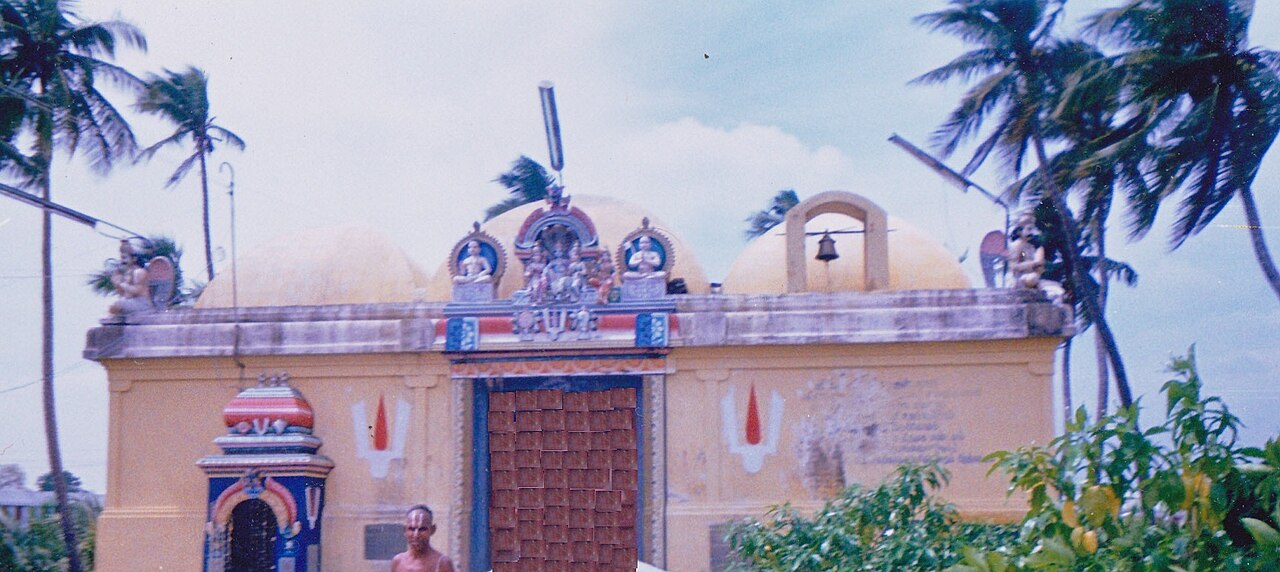
📍 0.20 km away
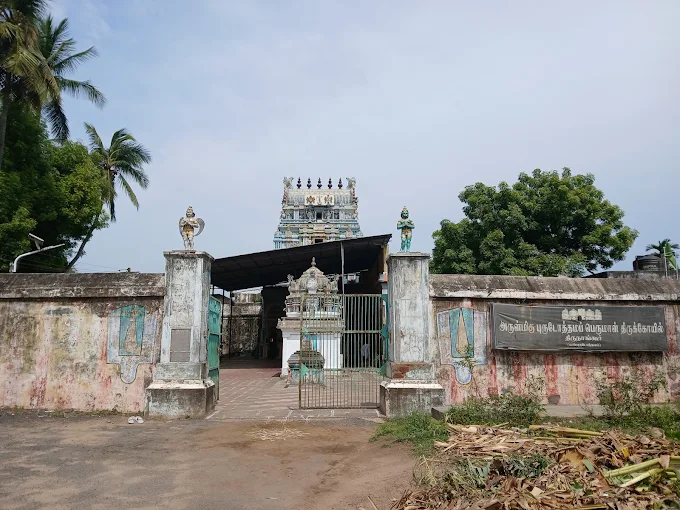
📍 0.25 km away
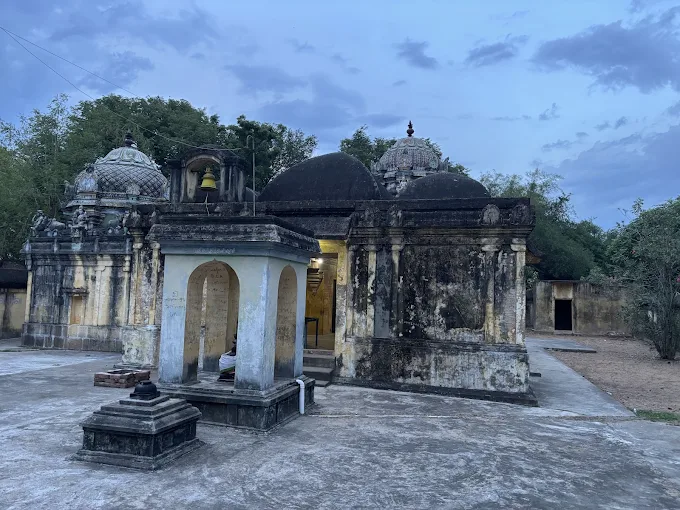
📍 0.27 km away
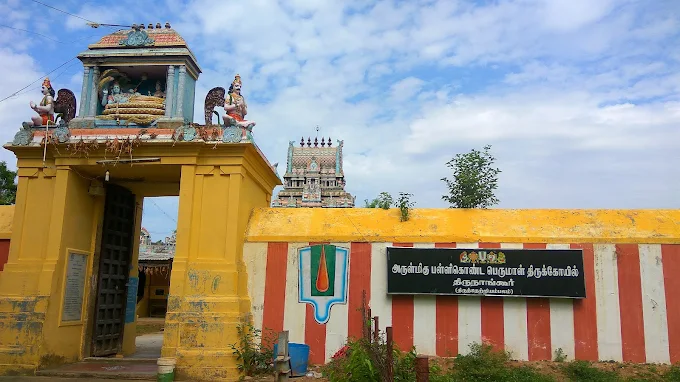
📍 0.33 km away
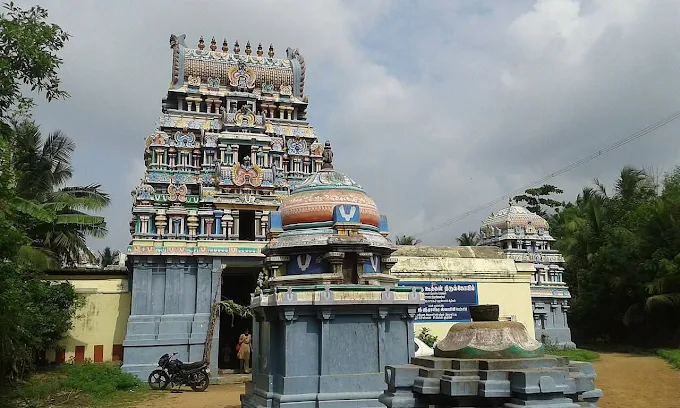
📍 0.40 km away
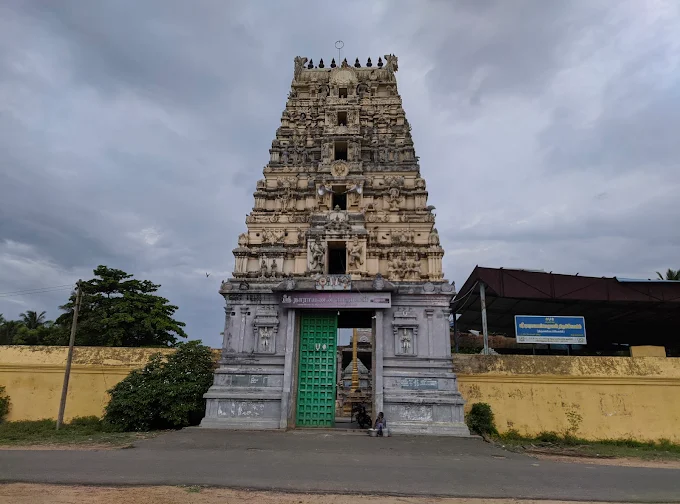
📍 0.58 km away
Stays near Thiru Sempon Sei Koil Perarulalan Perumal Temple

📍 Near Kurinji Andavar Temple · 271.1 km
stayStarting from ₹2,000 / night
Discover more temples you may be interested in
You may also like these temples