☰
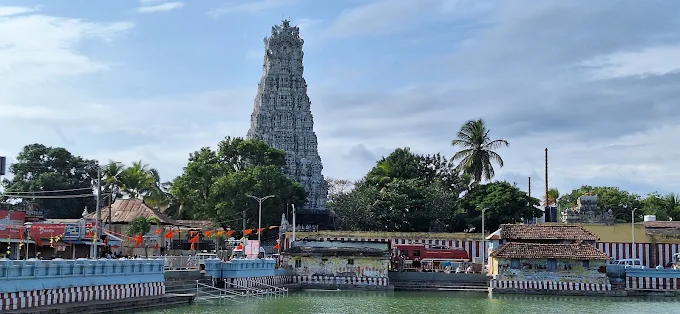
🛕 Lord Devi | 📍 Suchindram, Kanyakumari, Tamil Nadu
Suchindram Shuchi Narayani Shakti Peetha is venerated in traditional Shakta lore as one of the 51 sacred Shakti Peethas. According to mythological tradition, when Lord Vishnu deployed the Sudarshana Chakra to dismember the body of Goddess Sati—thereby releasing Lord Shiva from his cosmic dance of grief and destruction—Sati's upper teeth (or according to some regional accounts, her upper palate/teeth) fell at this sanctified ground. Here, the Divine Mother is worshipped in the form of Devi Narayani (embodying pure feminine preservation and divine grace), guarded by Lord Shiva worshipped in the form of Sanghara Bhairava (also revered as Sthaneshwar or Samhara Bhairava).
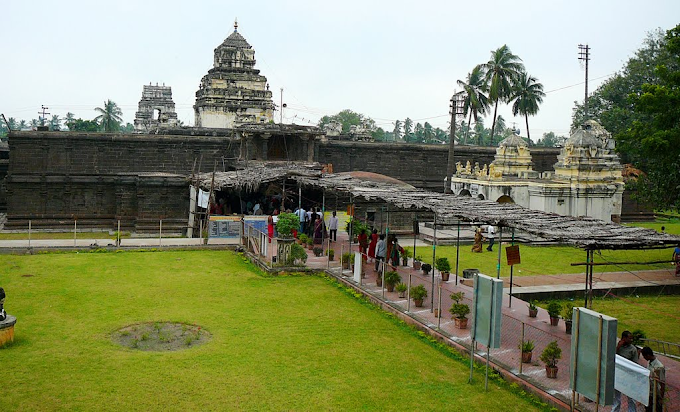
The Shakti Peetha tradition is deeply intertwined with the sacred precinct of the Suchindram Sthanumalayan Temple complex. The name 'Suchindram' originates from the Sanskrit root 'Shuchi', signifying purification. According to regional sthala purana, Indra, the king of the devas, performed rigorous penance here to cleanse himself of Sage Gautama's curse, receiving complete purification and liberation at midnight. Furthermore, the sanctuary is renowned for the divine presence of the Trinity—Sthanu (Shiva), Mal (Vishnu), and Ayan (Brahma)—enshrined as a single unified lingam, symbolizing absolute cosmic harmony. Devotees revere the shrine of Goddess Narayani (and Aram Valartha Nayaki) within this spiritual fold as an immense powerhouse of shakti, where pilgrims seek liberation from sins, relief from planetary afflictions, peace of mind, and divine protection.
The recorded history of Suchindram spans more than a millennium, showcasing the confluence of distinct South Indian dynastic rulers. Epigraphical records discovered on the temple walls, numbering well over a hundred inscriptions, trace royal patronage back to the 9th century CE during the reigns of the early Pandya and Chola monarchs. Notable inscriptions mention contributions from medieval Chola rulers such as Parantaka I, Rajaraja Chola I, and Rajendra Chola I, who endowed land, gold, and perpetual lamps (nanda vilakku) to the shrine. In historical stone records, the locality is celebrated as 'Gnanaranya' and 'Sundara Chola Chaturvedimangalam'.
Following the decline of imperial Cholas and Pandyas, the region came under the cultural and administrative influence of the Vijayanagara Empire and the Nayaks of Madurai during the 16th and 17th centuries. Extensive architectural enhancements—such as the lofty 134-foot-high 11-tiered eastern Rajagopuram, monolithic pillars, and the pillared Alankara Mandapam—were developed during this phase. Thirumalai Nayak contributed substantially to the artistic expansion. Later, Suchindram became an integral spiritual hub of the Venad kingdom and subsequently the Princely State of Travancore. The Travancore Maharajas deeply patronized the temple, establishing elaborate Kerala-style tantric daily rituals alongside Dravidian architectural elements. The complex is also famous for hosting historical trials by ordeal, known as the 'Suchindram Kaimukku' (ordeal of boiling ghee), which was officially abolished by the Travancore government under British resident Col. Munro in the 1830s.
Following the States Reorganisation Act in 1956, Kanyakumari district was merged into Tamil Nadu from Travancore. Today, the complex—housing the Sthanumalayan Trinity, the Narayani Shakta shrine, the colossal 18-foot monolithic Anjaneya (carved in the 18th century), and colossal Nandi—is administered by the Kanyakumari District Temples Administration under the Hindu Religious and Charitable Endowments (HR&CE) Department of Tamil Nadu.
According to sacred tradition, bathing in the temple theertham and praying at the Shuchi Narayani Peetha purifies inner consciousness and dissolves past negative karmas, drawing from the legend of Lord Indra's purification.
Devotees worship Devi Narayani alongside Samhara Bhairava to seek powerful protection against negative energies, evil spirits, and unforeseen life impediments.
Worshipping the supreme Mother Goddess here, along with the united Trimurti aspect, is traditionally believed to foster mutual understanding, domestic peace, and strong family bonds.
Offering prayers at the temple complex, which also enshrines the famous towering monolithic Anjaneya, is believed by devotees to alleviate fears, grant vitality, and bestow mental fortitude.
Individual archana chanting the sacred names of the deity with floral offerings and kumkum prasad distribution.
Special decorative offering invoking blessings using finely ground sacred rice powder for the deity.
Special morning milk, honey, sandalwood, and holy water oblation dedicated to the presiding deity.
Special uninterrupted water pot abhihekam offered by devotees for fulfillment of vows.
Traditional garland made of freshly prepared savory vadas offered to the 18-foot Hanuman deity for strength and protection.
Elaborate devotional ritual of covering the deity in fresh butter as a prayer of thanksgiving.
No festivals available.
📍 12.73 km away

📍 64.49 km away
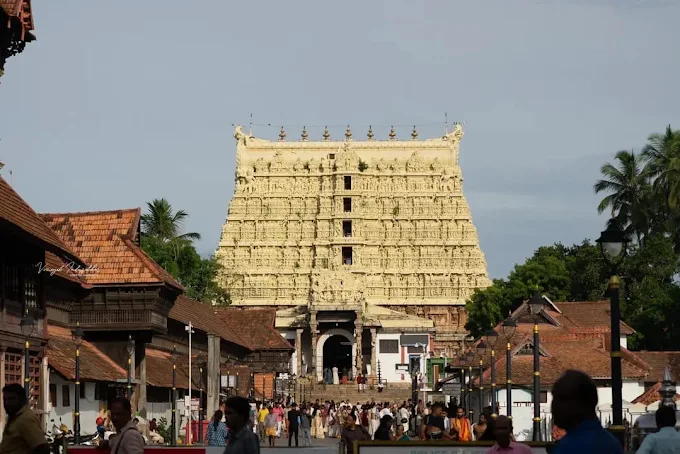
📍 67.93 km away
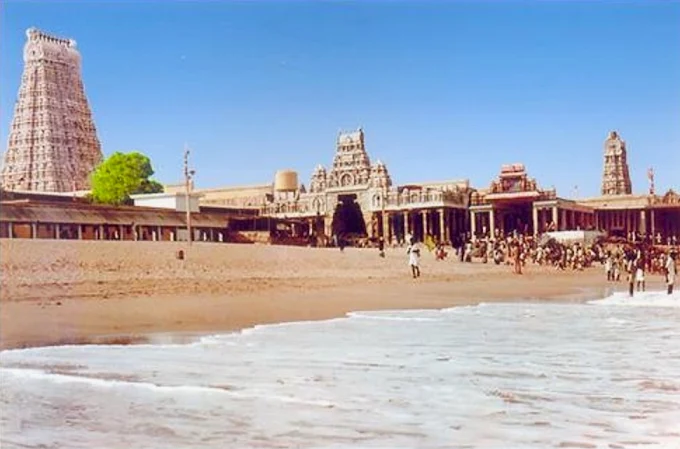
📍 82.21 km away
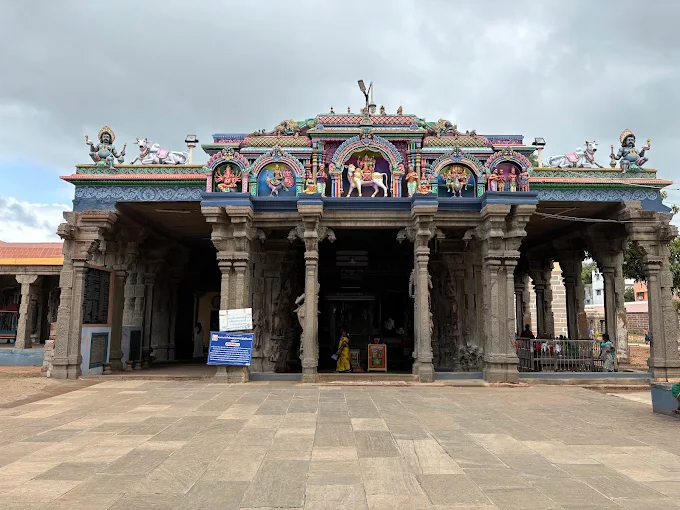
📍 90.67 km away
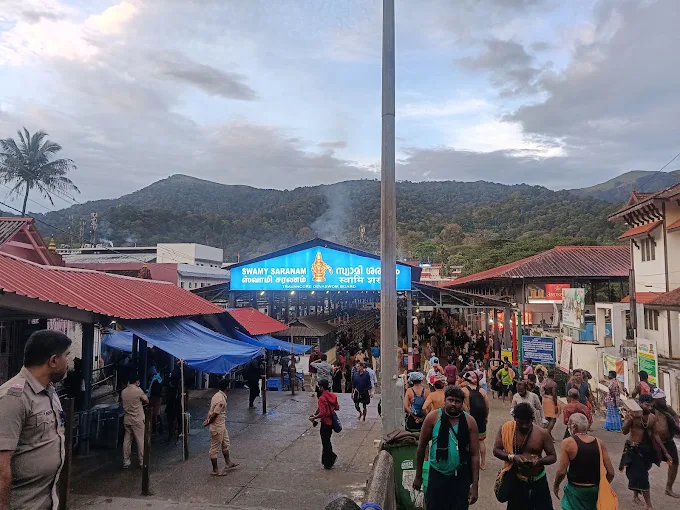
📍 146.73 km away
Stays near Suchindram Shuchi Narayani Shakti Peetha

📍 Near Kurinji Andavar Temple · 231.7 km
stayStarting from ₹2,000 / night
Discover more temples you may be interested in
You may also like these temples