☰
🛕 Lord Vishnu | 📍 Koviladi, Thanjavur, Tamil Nadu
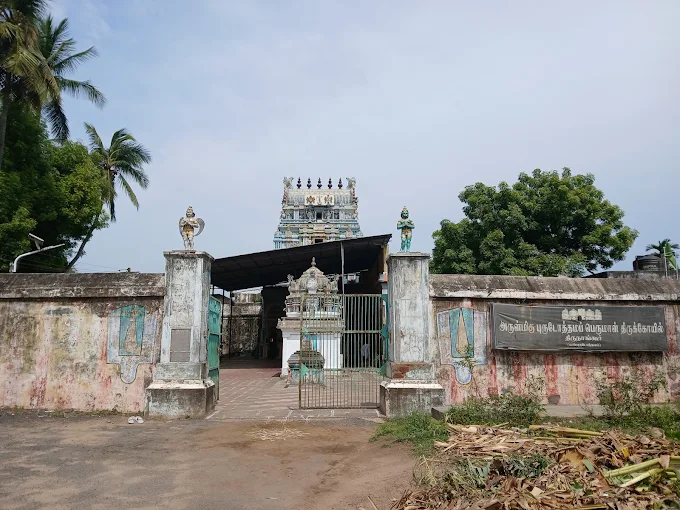
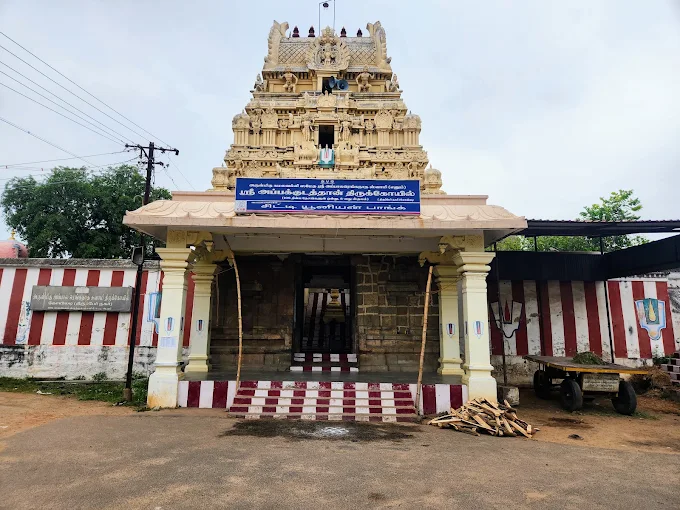
Sri Appakkudathaan Perumal Temple, historically known as Thirupper Nagar, is an ancient and prominent Vaishnavite shrine situated in Koviladi, on the fertile banks of the Kollidam and Cauvery rivers. It holds profound significance in Sri Vaishnavism as the 6th of the 108 Divya Desams celebrated in the Nalayira Divya Prabandham. It is also distinguished as one of the sacred 'Pancharanga Kshetras' (the five holy temples dedicated to the reclining form of Lord Vishnu along the Cauvery River basin), specifically venerated as 'Appala Rangan'. The presiding deity, Sri Appakkudathaan (Appala Ranganathan), is enshrined in the 'Bhujanga Sayanam' (reclining posture atop the serpent couch of Adisesha) facing west, in a unique pose where His right arm is traditionally depicted resting near or holding a pot ('kudam') of appams (sweet rice pancakes). His divine consorts, Sri Kamalavalli Thayar (Indira Devi) and Sri Bhumi Devi, grace the temple. The sacred hymnists Periyalvar, Thirumalisai Alvar, Thirumangai Alvar, and Nammalvar have sung 33 verses in praise of this deity. The temple is especially sanctified by the tradition that Nammalvar recited his final decape of verses (Thiruvaimozhi 10.8) on Appakkudathaan before attaining Paramapadam (spiritual liberation). Unlike many shrines where appam is offered only occasionally, this temple is celebrated for the unique, ongoing ritual tradition of offering fresh sweet appam to the Lord every evening.
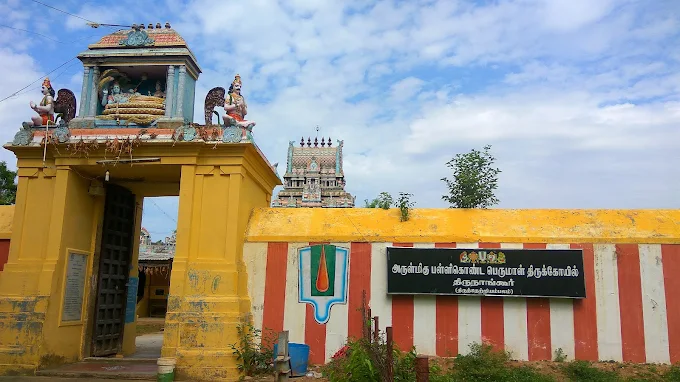
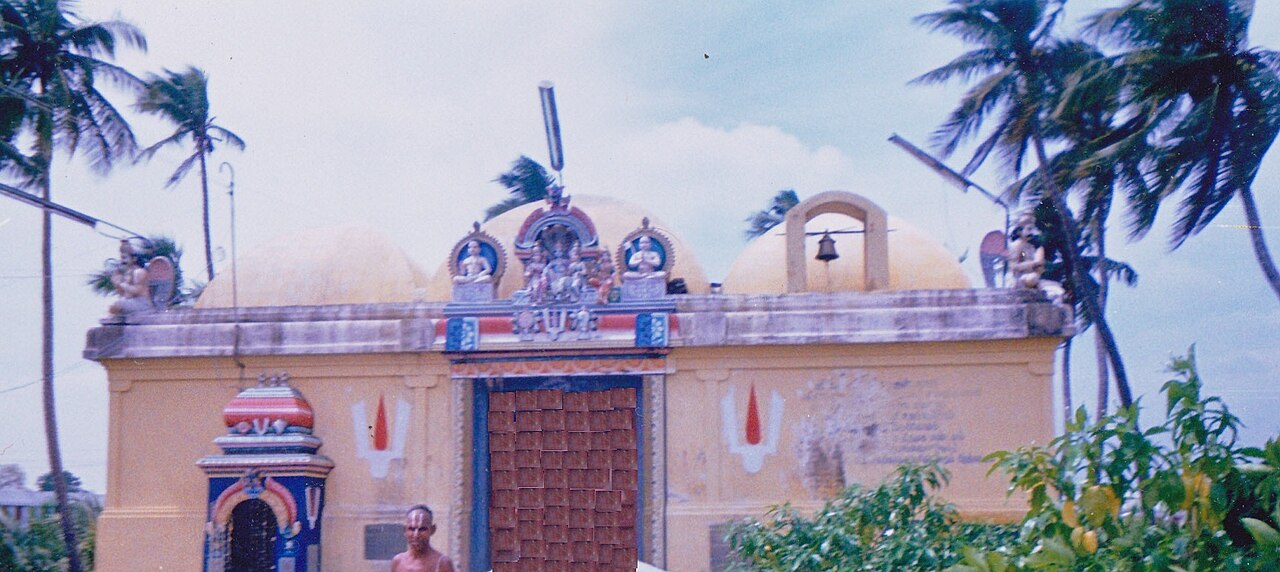
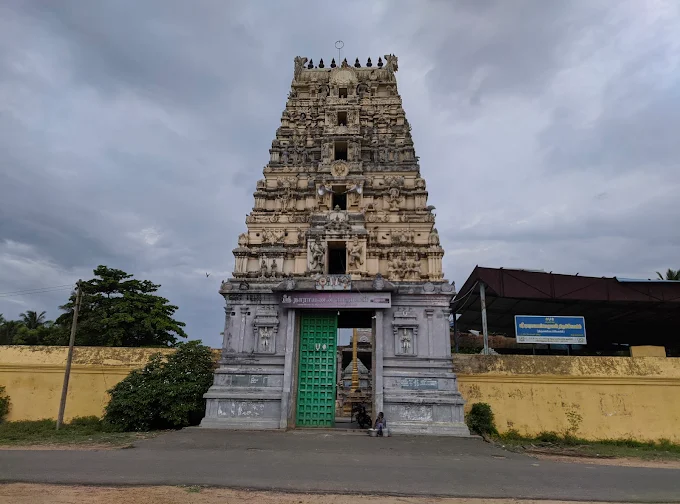
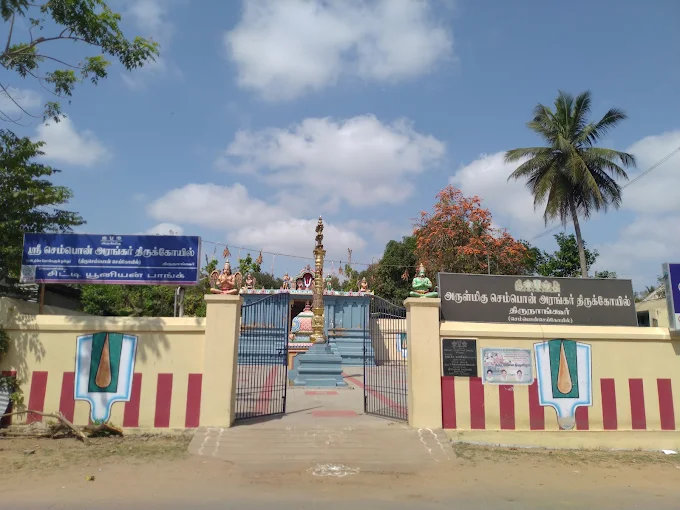
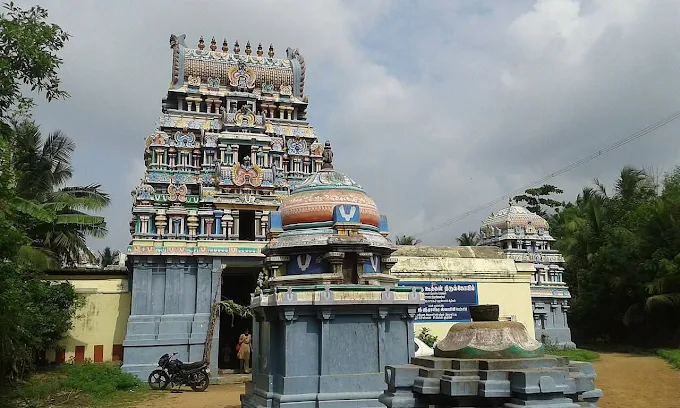
The temple of Appakkudathaan Perumal boasts significant historical antiquity rooted in the architectural and cultural heritage of the Chola empire. Located close to the world-famous Grand Anicut (Kallanai)—built originally by Karikala Chola in the 2nd century CE—the temple site has experienced layered construction spanning centuries. Inscriptional evidence etched into the temple granite confirms royal patronage during the reign of the Medieval Cholas, specifically featuring inscriptions dating to the 18th regnal year of Aditya Chola I (late 9th century CE) as well as subsequent epigraphs from Rajaraja Chola I, Rajendra Chola I, and Later Chola monarchs recording endowments of land, oil for perennial lamps, and provisions for temple services. Further renovations and architectural additions were made under the patronage of the Vijayanagara Empire and Nayaka rulers. Built in classical Dravidian temple architecture, the temple stands on a natural elevated knoll or artificial mound known traditionally as 'Indragiri', rising about 20 feet above the surrounding river plains, accessible by a flight of 21 stone steps. The temple is entered through a prominent three-tiered Rajagopuram facing east, while the inner sanctum housing the colossal reclining deity faces west beneath the 'Indira Vimanam'. Traditional temple lore (sthala purana) attributes the origin of the temple's unique name to the legend of King Upamanyu, who was cursed by Sage Durvasa to lose his physical prowess and regal status. Advised to feed thousands of people daily in Thirupper Nagar to expiate the curse, Upamanyu provided feasts until Lord Vishnu arrived disguised as an elderly brahmin with an insatiable appetite. After consuming all the food, the elder requested a pot of sweet fried 'appam'. When King Upamanyu devotedly offered a pot filled with sweet appam, the Lord was pleased, revealed His true transcendental cosmic form, and liberated the king from his affliction, forever earning the name Appakkudathaan.
Devotees traditionally worship Lord Appakkudathaan and pray before the Santhana Gopalan idol in the sanctum with offerings of appam to seek blessings for childbirth.
Based on the legend of King Upamanyu's redemption from Sage Durvasa's curse, devotees believe heartfelt prayers here alleviate lingering curses and severe life obstacles.
Temple tradition holds that Lord Vishnu dispelled the fears of longevity faced by Sage Markandeya here, inspiring faith that sincere worship grants mental strength and removes fear of untimely death.
Traditional lore recounts that Indra's pride was subdued here, teaching humility and spiritual refinement to devotees seeking inner peace.
Associated with the final hymns of Nammalvar before his divine union with the supreme Lord, worshipping here is believed to assist seekers on the path toward spiritual liberation.
A unique, traditional daily offering of freshly prepared ghee appams placed in a special vessel before Lord Appakkudathaan, subsequently distributed to devotees as sacred prasadam.
Ceremonial holy bath conducted with herbal waters, milk, honey, and sanctified substances for the processional deity (Utsavar Sri Appala Ranganathan) on auspicious occasions and festival star days.
Special prayer ritual conducted before the Santhana Gopalan idol in the sanctum sanctorum by married couples praying for progeny.
Chanting of the thousand sacred names of Lord Vishnu accompanied by floral offerings to the presiding deity for health and general prosperity.
No festivals available.
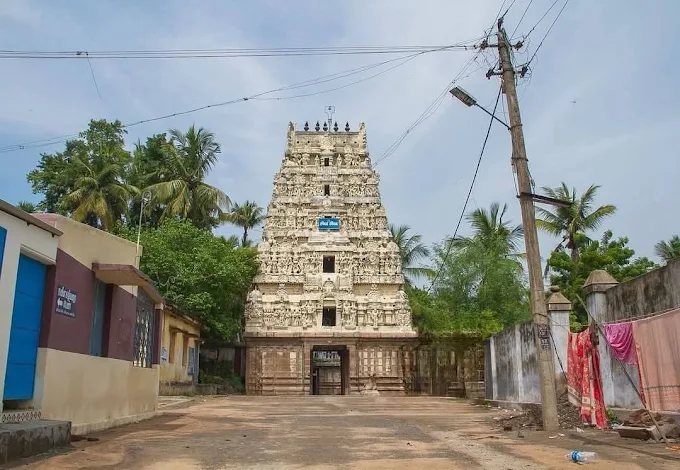
📍 2.93 km away
📍 3.23 km away
📍 8.62 km away
📍 11.72 km away
📍 13.11 km away

📍 13.37 km away
Stays near Koviladi Appakudathaan Perumal Temple

📍 Near Kurinji Andavar Temple · 166.9 km
stayStarting from ₹2,000 / night
Discover more temples you may be interested in
You may also like these temples