☰
🛕 Lord Vishnu | 📍 Anbil, Lalgudi, Tiruchirappalli, Tamil Nadu
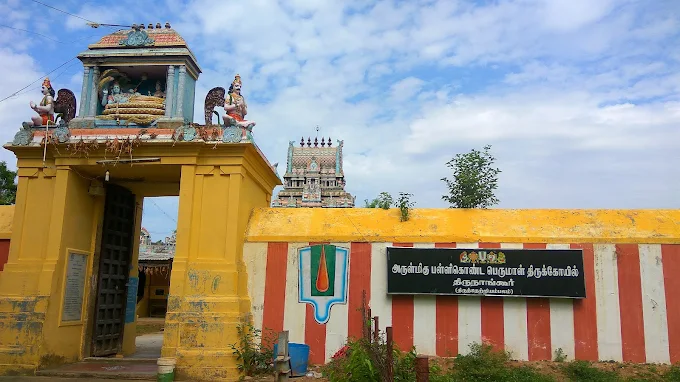
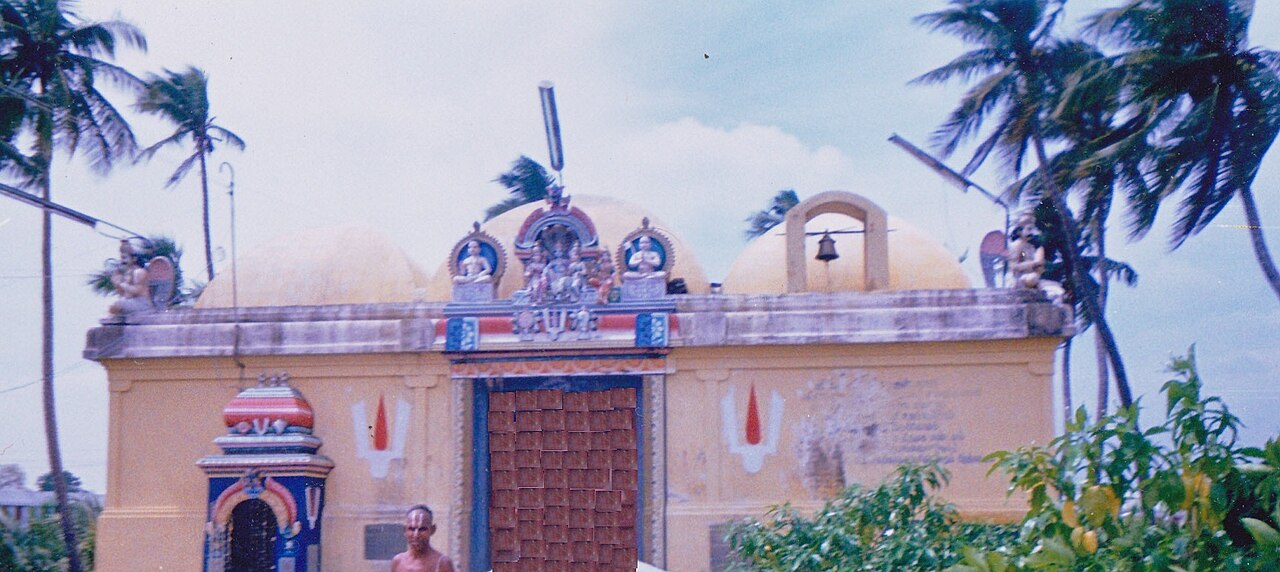
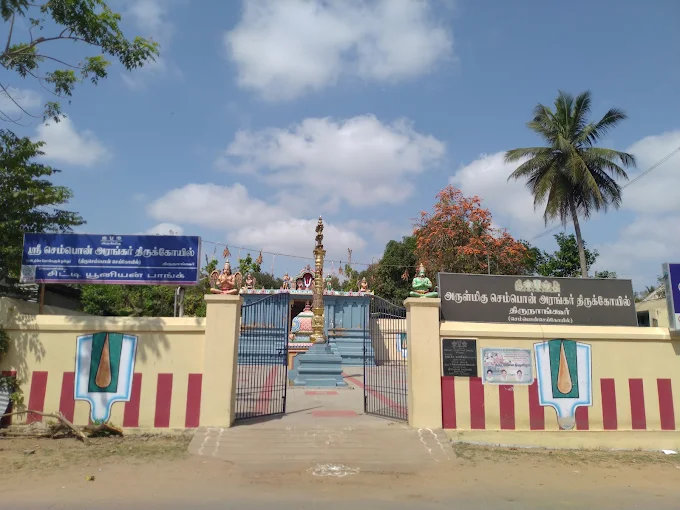
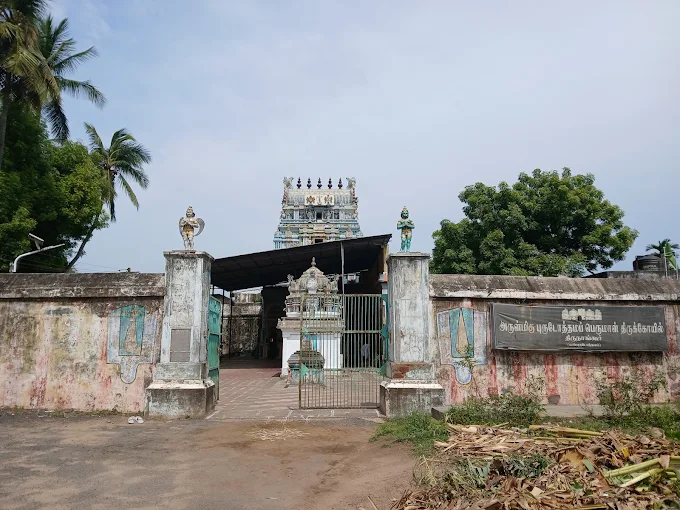
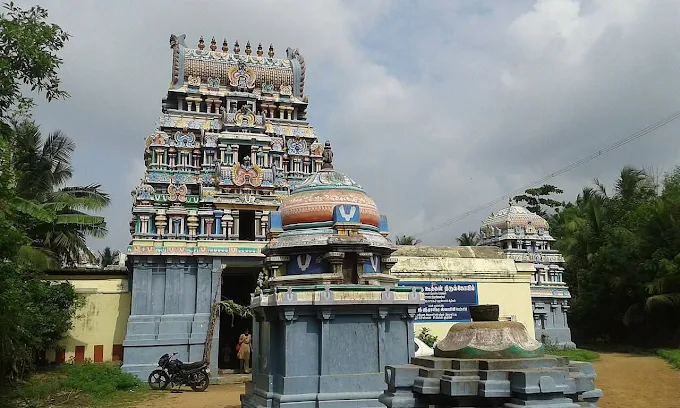
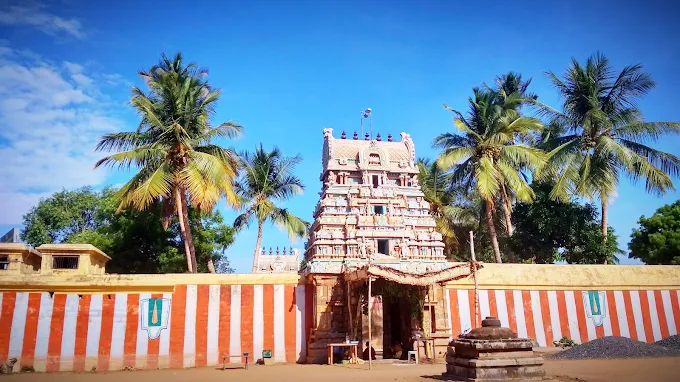
Sri Vadivazhagiya Nambi Perumal Temple, also celebrated as Sundararaja Perumal Temple and Thiru Anbil, is an ancient Hindu shrine revered as one of the 108 Divya Desams dedicated to Lord Vishnu. Located peacefully on the northern bank of the Kollidam River near Tiruchirappalli, it holds an eminent place in Sri Vaishnava sacred geography as part of the Chola Nadu Divya Desams. The presiding deity, Lord Vishnu, is enshrined in a majestic reclining posture (Bhujanga Sayanam) facing east on the coils of Adisesha, known as Sundararaja Perumal, while His processional idol bears the name 'Vadivazhagiya Nambi'—signifying one who possesses peerless beauty and divine grace. His divine consort, Goddess Lakshmi, is worshipped in an adjacent sanctum as Azhagiya Valli Thayar (Sundaravalli). The temple tower above the sanctum is known as the Tharaga Vimanam, and the holy temple water tank is titled Manduka Theertham. Devotional tradition also groups Thiru Anbil among the prominent Pancha Ranga Kshetras along the Cauvery-Kollidam river system. The shrine is consecrated in the Tamil hymns of the Naalayira Divya Prabandham by Thirumazhisai Alvar, who praised the Lord's reclining posture at Anbil in his classic 'Thiruchandha Viruththam' alongside other monumental shrines like Srirangam and Thirukkudanthai. Uniquely, the village of Anbil holds the rare dual spiritual glory of housing both a Vaishnava Divya Desam and an ancient Shaiva Paadal Petra Sthalam (Anbil Alanthurai Satyavageeswarar Temple) within close vicinity, sharing sacred water bodies and centuries of harmonious devotional co-existence.
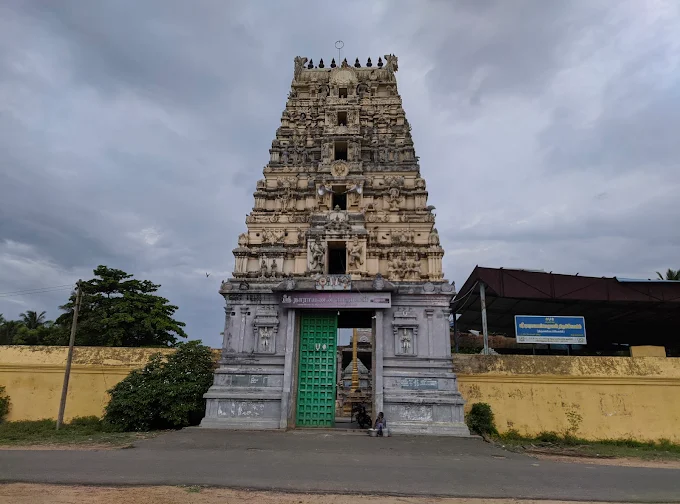
Historically, the Vadivazhagiya Nambi Perumal Temple dates back to the early medieval Chola era, with tangible archaeological and literary evidence indicating widespread royal patronage spanning more than a millennium. The temple is especially famous in epigraphical and South Indian dynastic history because of the celebrated 'Anbil Copper Plates' (Anbil Cheppedugal) issued during the reign of Parantaka Chola II, popularly known as Sundara Chola (10th century CE). These bilingual copper-plate inscriptions, composed in Sanskrit and Tamil, detail the noble ancestry and administrative gifts of Aniruddha Brahmarayar, the chief minister to Sundara Chola, who hailed from this very village of Anbil. Historical records reveal that victorious Chola rulers and court officials made generous endowments of land, gold, and perpetual lamps to both the village shrines and Srirangam. The core granite structure of the temple represents standard early medieval Dravidian architecture, featuring a modest three-tiered Rajagopuram, an enclosed pillared inner circumambulatory passage, and decorative stone mouldings. In subsequent centuries, during the Vijayanagara and Madurai Nayak periods, further structural repairs, mandapa modifications, and maintenance endowments were executed. In sacred folklore and Puranic legend, the temple is known as Mandukapuri; Sage Sutapas (Manduka Maharshi), who had been cursed by Sage Durvasa to take the physical form of a frog for unknowingly failing to welcome him while meditating underwater, was liberated from his curse here after worshipping Lord Vishnu in the Manduka Theertham. Another beloved sthala legend recounts that Lord Brahma, having grown vain about the beauty of his mortal creations, was made to take earthly birth; upon performing intense penance at Anbil, Lord Vishnu appeared before him as an exceptionally handsome youth, demonstrating that true lasting beauty is spiritual rather than physical, thereby purging Brahma's ego. Today, the shrine is protected and administered under the Hindu Religious and Charitable Endowments (HR&CE) Department of the Government of Tamil Nadu.
According to temple tradition, worshipping Lord Vadivazhagiya Nambi helps alleviate past-life karmic distress and ancestral afflictions, as exemplified by the legend of Sage Sutapas being relieved of Sage Durvasa's curse.
Devotional faith holds that praying here removes pride, vanity, and inner turmoil, drawing from the sacred story of Lord Brahma realizing true spiritual humility before the divine form of the Lord.
Devotees, particularly young unmarried individuals, offer prayers at the separate shrines of Azhagiya Valli Thayar and Goddess Andal to overcome planetary obstacles in marriage and foster marital joy.
Meditating upon the peerlessly graceful form of Vadivazhagiya Nambi is believed to inspire aesthetic joy, positive temperament, mental purity, and overall auspiciousness in personal and family life.
Ceremonial sacred bath performed with milk, curd, honey, and sanctified water for the processional deity (Utsavar) and Salagrama moorthies, particularly on Ekadasi days, Tamil birth stars, and Fridays for Thayar.
Traditional chanting of the thousand sacred names of Lord Maha Vishnu accompanied by the offering of sacred tulasi garlands for divine grace.
Grand festive observance during the Tamil month of Margazhi, featuring special alankaram, recitation of the Nalayira Divya Prabandham, and special processions.
Annual sacred river festival during the month of Maasi where the processional deity visits the Kollidam River banks for holy immersion rites and community blessing.
No festivals available.
📍 0.56 km away
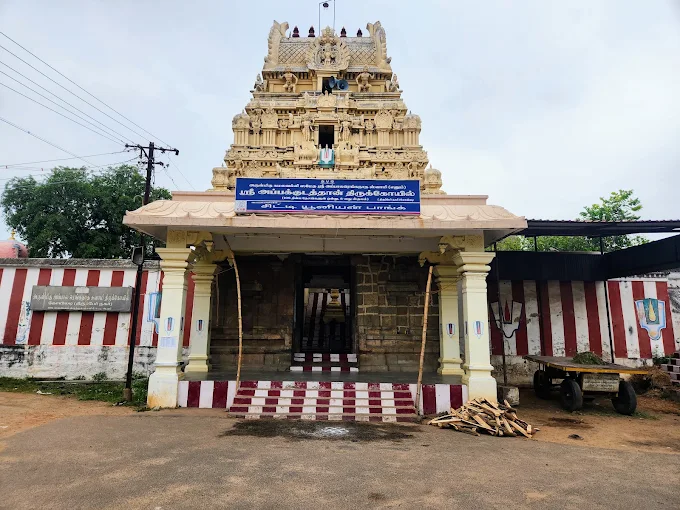
📍 3.23 km away
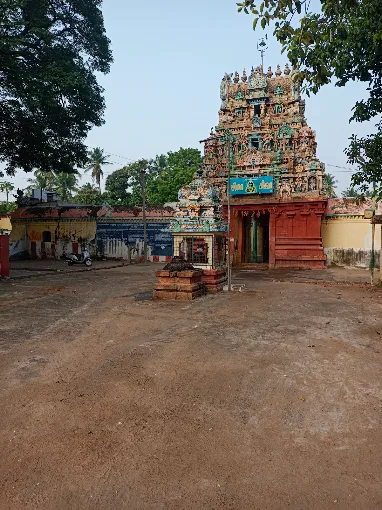
📍 10.26 km away
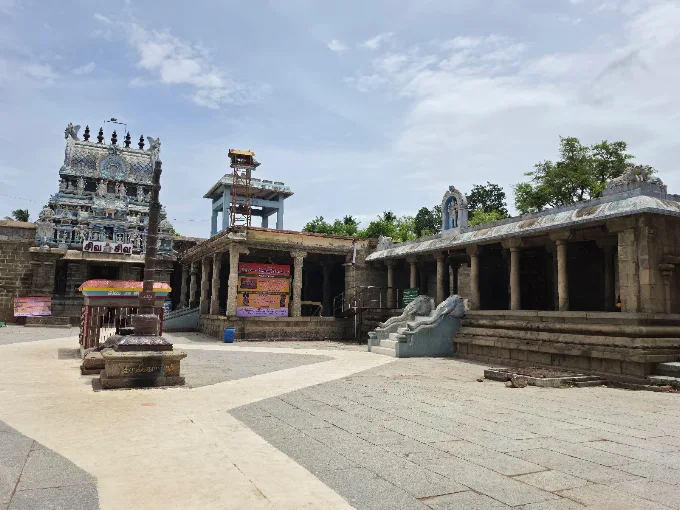
📍 11.26 km away

📍 11.99 km away
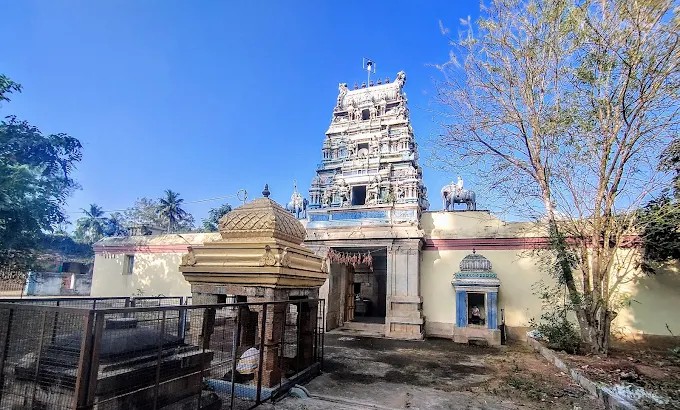
📍 12.57 km away
Stays near Anbil Vadivazhagiya Nambi Perumal Temple

📍 Near Kurinji Andavar Temple · 167.5 km
stayStarting from ₹2,000 / night
Discover more temples you may be interested in
You may also like these temples