☰
🛕 Lord Devi | 📍 Chitrakoot, Chitrakoot, Uttar Pradesh
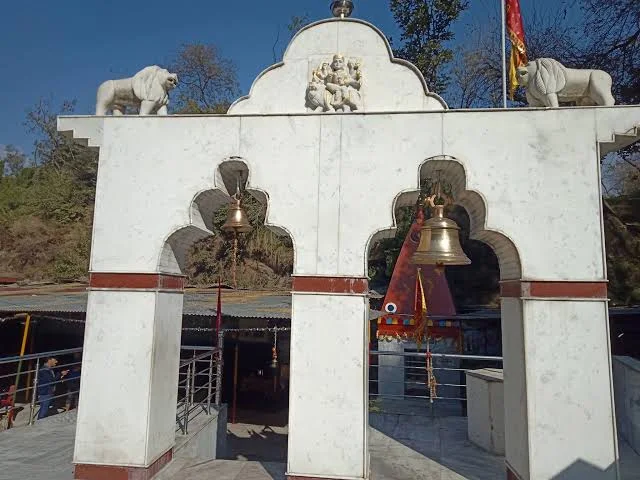
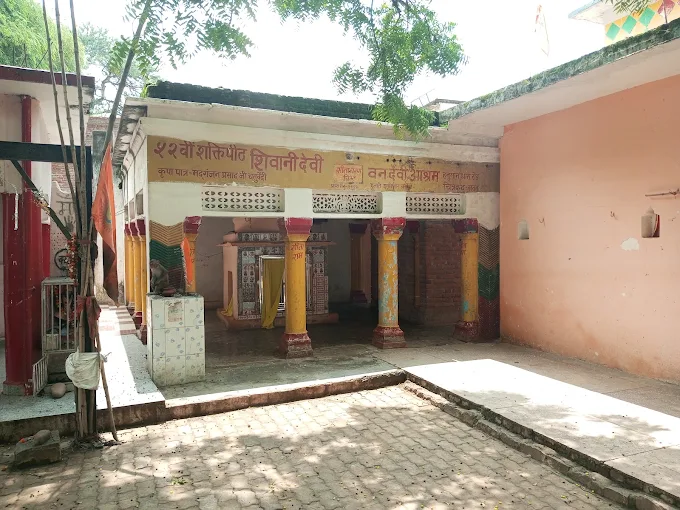
Chitrakuta Ramgiri Shakti Peetha (commonly venerated locally as the Maa Shivani Temple or Phoolmati Devi Mandir) is revered as one of the sacred 51 Shakti Peethas described in classical Hindu texts such as the Shiva Purana, Devi Bhagavata Purana, and Kalika Purana. According to Shakta theology, when Goddess Sati immolated herself at King Daksha's yajna, Lord Shiva wandered the universe carrying her sacred remains in deep grief and divine fury. To preserve cosmic order, Lord Vishnu severed her physical body into 51 pieces using his Sudarshana Chakra; traditional lore holds that the right breast ('Dakshina Stana') or chest of Devi Sati fell upon the sacred Ramgiri hill situated in the Chitrakoot region. At this Shakti Peetha, the presiding feminine divinity is worshipped as Devi Shivani (a primordial manifestation of Adishakti, also reverenced as Phoolmati Devi or Shankari), and Lord Shiva is venerated in the form of Bhairava as Chanda (Chand Bhairav or Kamadanath). Chitrakoot itself occupies a paramount station in Indian spiritual geography, situated at the border region of Uttar Pradesh and Madhya Pradesh along the Mandakini River. Devotional lore holds that Lord Rama, Sita Devi, and Lakshmana resided in the forests of Chitrakoot for eleven and a half years during their exile, frequently visiting and venerating the divine mother at this hill shrine. Worship here is traditionally associated with inner strength, motherhood blessings, spiritual wisdom, and liberation.
Historically, the Chitrakoot region stands as one of the oldest centers of asceticism, Vedic meditation, and literary heritage in central India. Epigraphical and literary records from ancient India confirm that Chitrakoot and its surrounding hills have been continuous pilgrimage centers since the early Vedic and Epic periods. The Valmiki Ramayana, the Mahabharata, and classical Sanskrit works—most notably Mahakavi Kalidasa's 'Meghaduta', where Chitrakoot is eulogized as 'Ramagiri'—substantiate the profound antiquity of the area. Medieval devotional records also document the visits of mystic poets such as Goswami Tulsidas, Surdas, and saint-philosophers who performed severe austerities on these forested ranges. In classical Shakta textual traditions, Ramgiri is consistently cited as a major Shakti Peetha. However, there is a historical debate among scholars and devotees regarding the exact geographical assignment of the original Ramgiri Shakti Peetha: while dominant tradition and the local populace of Chitrakoot identify the peetha with the Shivani / Phoolmati Devi shrine near the sacred hills of Chitrakoot (Ramgiri/Kamadgiri), another regional tradition connects the Ramgiri peetha with the ancient Maa Sharda Devi Temple atop Trikuta Hill in Maihar (Satna district, Madhya Pradesh). Structurally, the Shivani temple complex in Chitrakoot features traditional North Indian vernacular stone and masonry architecture, which has undergone periodic restorations by local rulers, ascetic akhadas, and charitable pilgrim trusts over several centuries.
Devotees traditionally believe that worshipping Devi Shivani at this breast peetha invokes divine maternal nourishment, compassion, and unwavering fortitude during life's adversities.
Offering prayers to both Devi Shivani and Bhairava Chanda is traditionally believed to banish debilitating fear, evil spirits, and unseen negative planetary afflictions.
Pilgrims traditionally observe fasts and tie protective sacred threads or offer chunari here, believing the compassionate Mother fulfills sincere worldly and spiritual prayers.
Drawing from the ancient tapasya energy of rishis and Lord Rama in Chitrakoot, meditation here is believed to still restless minds and accelerate inner awakening.
Women devotees especially worship the goddess as Phoolmati Devi for marital happiness, healthy progeny, and long-lasting domestic auspiciousness.
Extensive nine-day sacred rituals, Chandi homam, and recitation of Durga Saptashati performed during the seasonal Chaitra and Ashwin Navratri festivals.
Devotional offering of a sacred red veil (chunari), traditional vermilion (sindoor), glass bangles, and floral garlands to the deity for wish fulfillment and marital bliss.
Ritual feeding and gifting of young girls as living embodiments of Goddess Durga, traditionally conducted on Ashtami or Navami days.
Special lighting of earthen oil lamps and continuous prayer offerings observed during monthly Amavasya nights, when Chitrakoot sees peak pilgrim congregations.
No festivals available.
📍 100.28 km away

📍 213.63 km away
📍 215.83 km away
📍 215.94 km away

📍 216.18 km away
📍 216.40 km away
Stays near Chitrakuta Ramgiri Shakti Peetha

📍 Near Kurinji Andavar Temple · 1,698.2 km
stayStarting from ₹2,000 / night
Discover more temples you may be interested in
You may also like these temples