☰
🛕 Lord Devi | 📍 Yamunotri, Uttarkashi, Uttarakhand
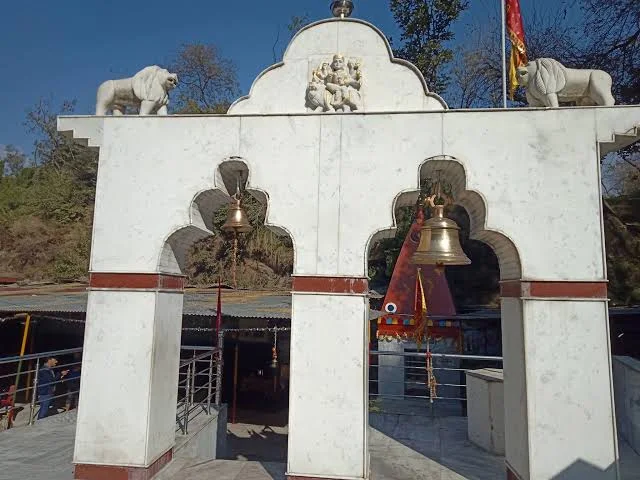
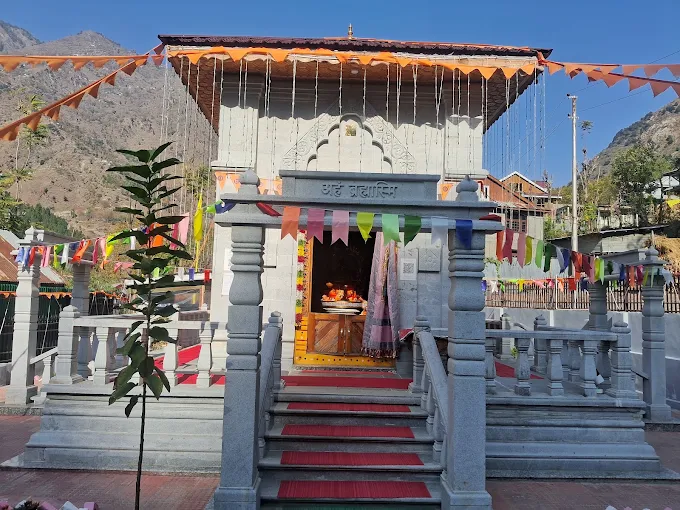
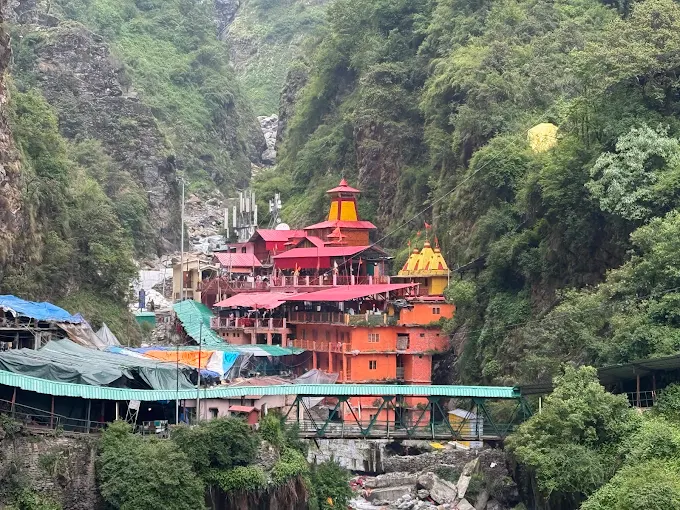
Yamunotri Temple is the venerated seat of Goddess Yamuna and marks the traditional starting point of the revered Chhota Char Dham pilgrimage in the Garhwal Himalayas of Uttarakhand. Perched at an elevation of approximately 3,291 meters on the western flank of the Bandarpunch mountain range in Uttarkashi district, the shrine honours the sacred Yamuna River, personified in Hindu tradition as a gentle yet powerful goddess. In Hindu cosmology, Yamuna is revered as the daughter of Surya, the Sun God, and Sanjna, and the sister of Yama, the God of Death, and Shani, the deity of justice and karma. Because of this divine lineage, devout pilgrims believe that offering prayers at Yamunotri and taking a ritual dip in the river provides liberation from past sins and frees one from the dread of untimely death. Directly adjoining the sanctuary are thermal geothermal springs, most notably the scalding Surya Kund, where pilgrims traditionally cook rice and potatoes in cloth bags as sacred prasad. The adjacent reddish-brown rock, known as Divya Shila, is traditionally paid homage to before entering the inner sanctum. The pilgrimage to Yamunotri combines strenuous mountain devotion with intense spiritual reverence, concluding with the annual transition on Bhai Dooj when the deity's winter murti is ceremoniously relocated to nearby Kharsali village.
While devotional tradition links the sanctified landscape of Yamunotri to the hermitage of the Vedic sage Asit Muni who meditated here in antiquity, the documented architectural history of the shrine dates to the 19th century. Historically, pilgrims visited the rugged river gorge long before an elaborate stone shrine was erected, facing extreme alpine weather, avalanches, and flash floods. The earliest stone temple structure at this remote precipice is credited to Maharaja Pratap Shah (and earlier foundations under Raja Sudarshan Shah) of the princely kingdom of Tehri Garhwal in the 1830s. The harsh Himalayan conditions, recurring winter snow accumulation, and regional seismic tremors repeatedly caused structural damage to the alpine building. In the late 19th century, Maharani Guleria of Jaipur undertook a major reconstruction and reinforcement of the temple, establishing much of the architectural core seen today. Constructed primarily of local mountain stone, timber, and granite to withstand the freezing temperatures and seismic activity, the sanctum features a modest Garhwali architectural design, crowned with a conical roof and housing a central deity carved from polished black marble, alongside a secondary deity of Goddess Ganga. The hereditary pujaris of the temple belong exclusively to the Brahmin community of the nearby ancestral village of Kharsali, who have maintained the daily worship traditions, rituals, and seasonal transfers of the deity for generations.
According to Hindu sacred tradition, Yamuna is the sister of Yama, the God of Death; devout belief holds that praying to her and bathing in her sacred waters protects devotees from untimely death and grants peace of mind.
Pilgrims hold the long-standing belief that offering prayers at Yamunotri and receiving the holy river waters washes away accumulated past sins and leads toward spiritual liberation.
Reflecting the divine bond between Yamuna and her brothers Yama and Shani, worshippers traditionally pray at Yamunotri for the prosperity, longevity, and harmonious relations among brothers and sisters.
The geothermal sulfur water of Surya Kund and adjoining mountain springs is traditionally believed by visitors to relieve bodily exhaustion, arthritis pain, and skin ailments after the arduous mountain climb.
Devotees perform traditional ritual oblations and tarpana along the banks of the sacred river, believing it bestows eternal peace upon deceased ancestors.
A sacred preparatory ritual performed at the consecrated red stone pillar near Surya Kund, traditionally undertaken by pilgrims prior to offering worship inside the main sanctum.
A unique community ritual where pilgrims immerse cloth bags containing uncooked rice and potatoes into the boiling waters of Surya Kund, subsequently presenting the naturally boiled food as offering to the goddess.
Special Vedic archana and water ablution performed on behalf of individual families by the authorised Kharsali priests for personal prosperity and spiritual purification.
No festivals available.
📍 45.57 km away
📍 64.73 km away
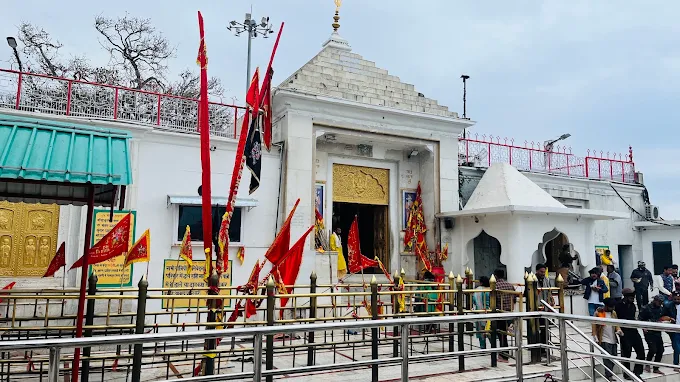
📍 186.47 km away
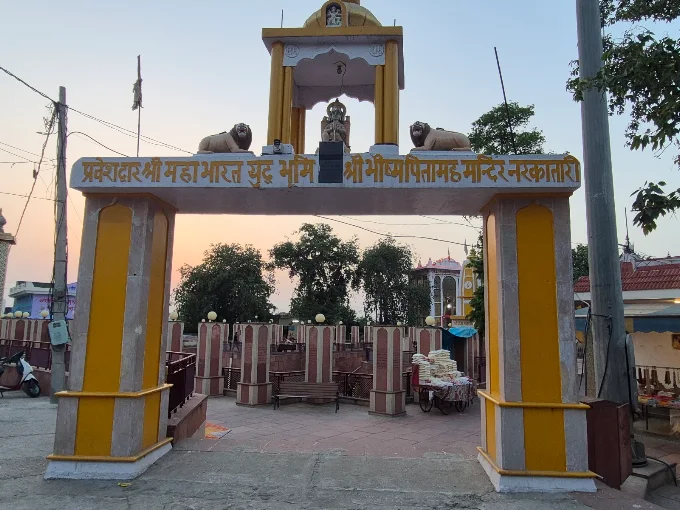
📍 193.13 km away
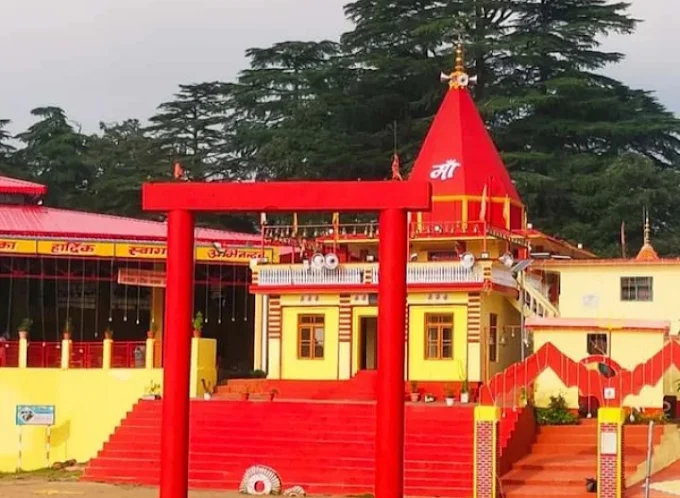
📍 221.76 km away
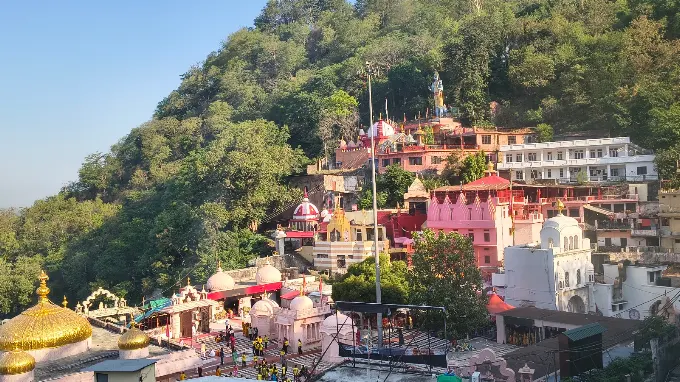
📍 225.08 km away
Stays near Yamunotri Temple

📍 Near Kurinji Andavar Temple · 2,310.6 km
stayStarting from ₹2,000 / night
Discover more temples you may be interested in
You may also like these temples