☰
🛕 Lord Vishnu | 📍 Thirunagai, Nagapattinam, Tamil Nadu
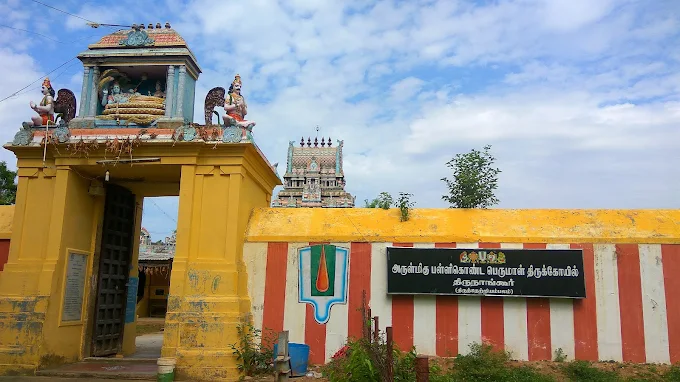
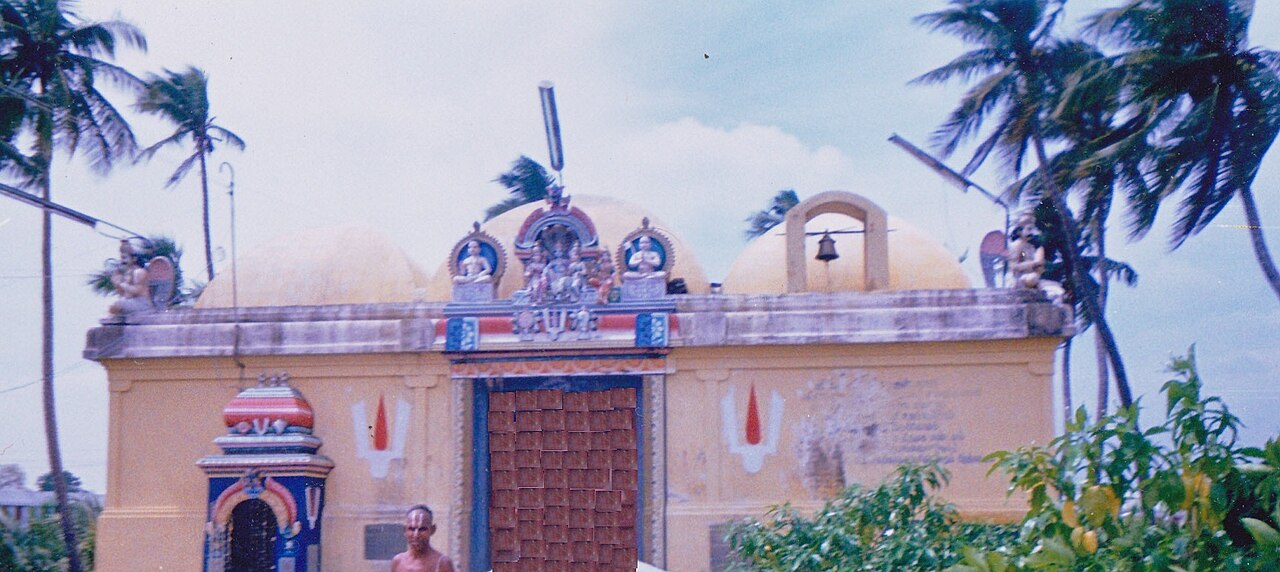
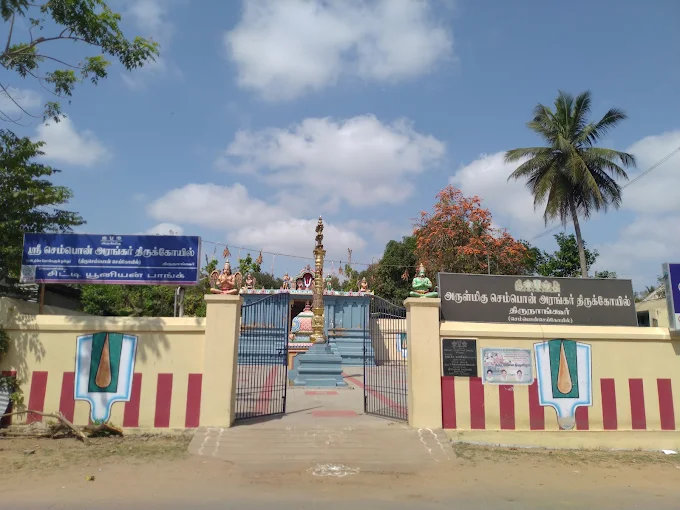
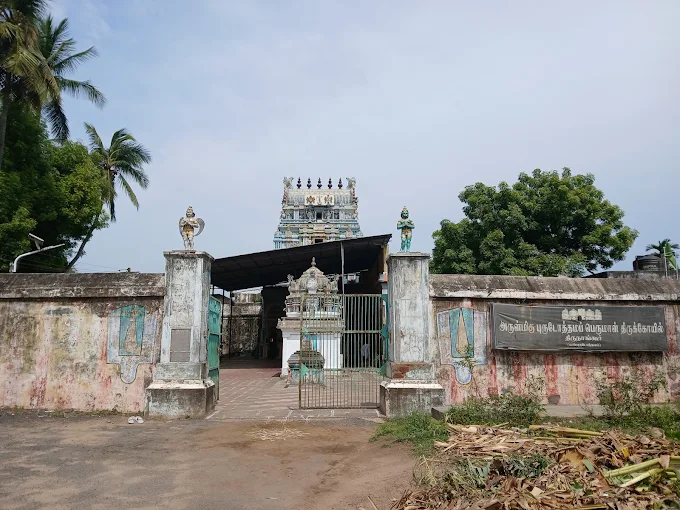
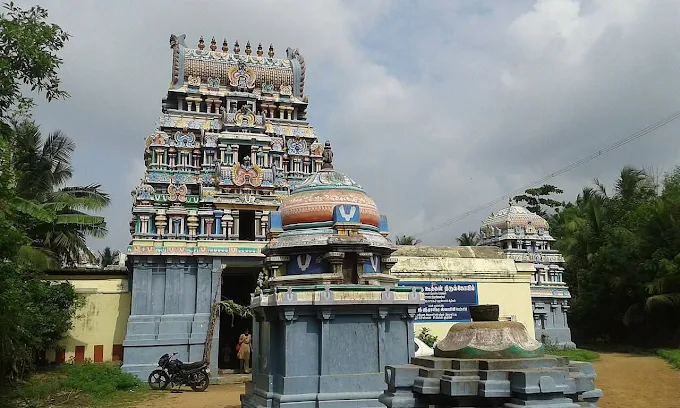
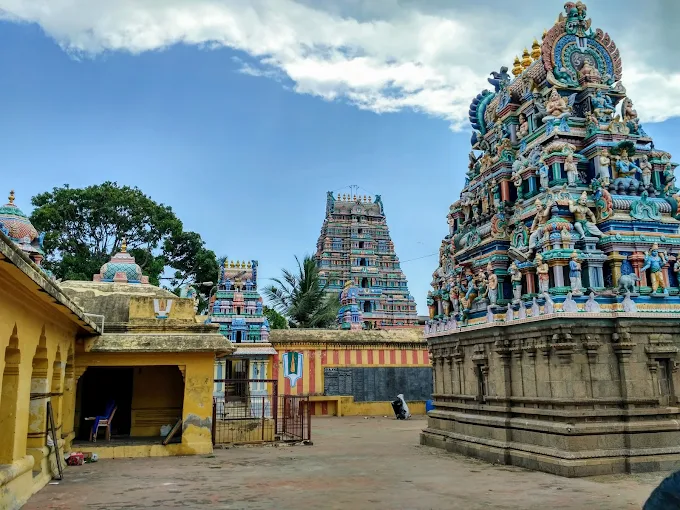
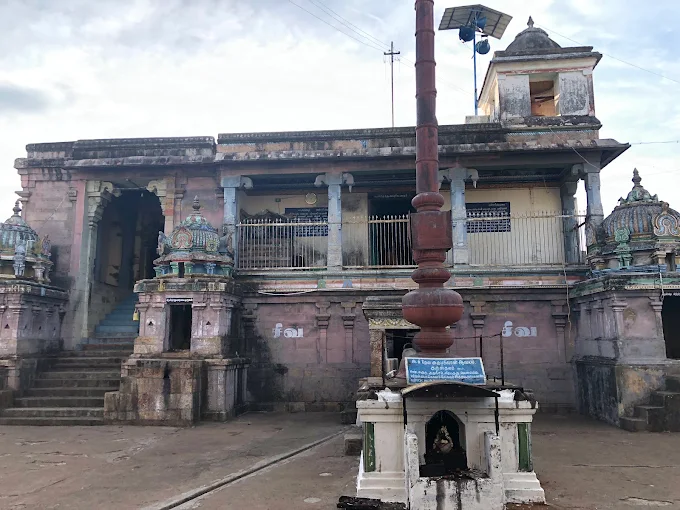
Thirunagai Soundararaja Perumal Temple (also referred to as Arulmigu Soundararaja Perumal Temple) in Nagapattinam is one of the revered 108 Divya Desams, celebrated in the Nalayira Divya Prabandham by the 8th-century Alvar saint Thirumangai Alvar. The temple holds exceptional theological importance as one of the few shrines where Lord Vishnu is envisioned and worshipped in all three cardinal divine postures: 'Nindra' (standing posture as Sri Neelamegha Perumal / Soundararaja Perumal in the main sanctum), 'Irundha' (seated posture as Sri Govindaraja Perumal), and 'Kidantha' (reclining posture as Sri Ranganatha Perumal). Thirumangai Alvar was deeply enchanted by the sublime beauty and divine charm of the Lord here, composing ten soul-stirring hymns (pasurams) in which he addresses the deity affectionately as 'Nagai Azhagan' (the handsome one of Nagapattinam). The presiding goddess is worshipped in her own shrine as Sri Soundaravalli Thayar (with the procession deity known as Gajalakshmi). The sacred temple pond is known as the Saara Pushkarani, and the presiding vimanam over the moolasthanam is titled the Soundarya Vimanam. The sacred tree (sthala vriksham) is the mango tree. Another architectural and spiritual rarity of this temple is the depiction of Garudalwar in an uncommon seated posture, alongside a separate sub-shrine for Ashtabhuja Narasimha (an eight-armed form of Narasimha). Positioned along the historic estuary where the Odambokki (a tributary of the Cauvery, traditionally revered as Vriddha Kaveri) enters the Bay of Bengal, the Lord is affectionately praised by devotees as 'Kaveri Thuraivan'.
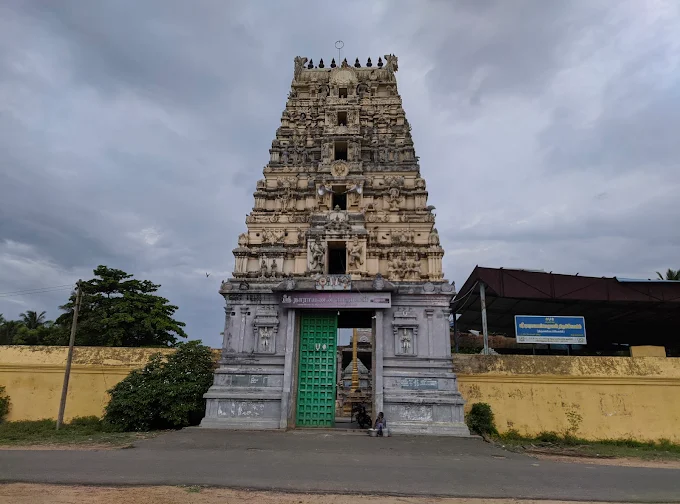
Nagapattinam has been a prominent international maritime and commercial trading port since the Sangam period and early historic times, later serving as a primary naval base under the Medieval Cholas. According to traditional temple lore and puranic accounts recorded in the Brahmanda Purana, the sacred site was originally an expanse known as Sundararanyam. Adisesha, the celestial serpent king, is believed to have performed intense penance here seeking the grace of Lord Vishnu, giving the town its enduring name of 'Naga-pattinam'. The legends also associate the site with penances performed by Dhruva in the Treta Yuga, Sage Markandeya in the Dvapara Yuga, and King Saleesa Chola in the Kali Yuga. Historical and epigraphical records confirm that the present stone structural complex was founded during the Medieval Chola period in the late 8th to 10th centuries CE. Two ancient stone inscriptions dating from the Chola dynasty have been officially documented inside the temple precincts, chronicling royal grants, land endowments, and ritual provisions. In subsequent centuries, substantial structural additions, tall granite prakaram walls, pillared mandapams, and the imposing five-tiered Rajagopuram were developed and renovated through the patronage of the Thanjavur Nayak rulers and subsequently maintained under the Thanjavur Maratha principality. During historical maritime eras, traditional records mention that a continuous ceremonial light kept burning atop the towering gopuram functioned informally as a navigation beacon for seafaring vessels approaching the Nagapattinam harbor. Today, the temple is protected, maintained, and administered by the Hindu Religious and Charitable Endowments (HR&CE) Department of the Government of Tamil Nadu.
Devotees traditionally believe that worshiping Soundararaja Perumal relieves planetary afflictions associated with Rahu and Ketu, drawing from the belief that Adisesha himself prayed here and received divine grace.
According to devotional belief rooted in the legend of King Saleesa Chola's blessed union at this shrine, sincere prayers to Soundaravalli Thayar and the Lord help remove marital delays and bring domestic harmony.
Pilgrims hold the traditional faith that taking a holy dip in the sacred Saara Pushkarani and offering prayers aids in inner cleansing, spiritual vitality, and healing from physical illnesses.
Worship at the rare Ashtabhuja Narasimha (eight-handed Narasimha) shrine inside the complex is traditionally performed to dispel fear, inner anxiety, and external spiritual obstacles.
Inspired by the puranic accounts of Dhruva and Sage Markandeya attaining high spiritual knowledge here, devotees pray to Soundararaja Perumal for clarity of thought, academic focus, and spiritual elevation.
Ritualistic sacred bath offered to the processional deity (Utsavar) using holy water, milk, curd, honey, and sandalwood paste on auspicious asterisms like Rohini and Ekadasi days.
Devotional chanting of the thousand divine names of Lord Vishnu or Sri Soundaravalli Thayar with offerings of tulsi and fragrant blossoms, performed on behalf of individual devotees upon request at the counter.
A celebrated ritual during the annual Brahmotsavam where Lord Soundararaja Perumal is mounted atop the divine vehicle Garuda and taken in procession through the town streets.
Ceremonial celestial wedding re-enactment of Lord Soundararaja Perumal with Goddess Soundaravalli Thayar, sponsored by devotees seeking family harmony and auspicious marital blessings.
No festivals available.

📍 0.65 km away

📍 4.67 km away
📍 8.47 km away

📍 10.98 km away
📍 12.55 km away

📍 15.82 km away
Stays near Thirunagai Soundararaja Perumal Temple

📍 Near Kurinji Andavar Temple · 263.5 km
stayStarting from ₹2,000 / night
Discover more temples you may be interested in
You may also like these temples