☰
🛕 Lord Vishnu | 📍 Thirukkannangudi, Nagapattinam, Tamil Nadu
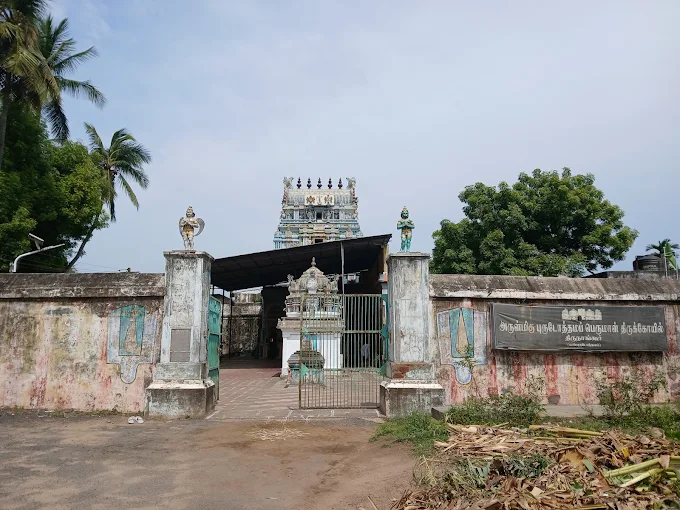
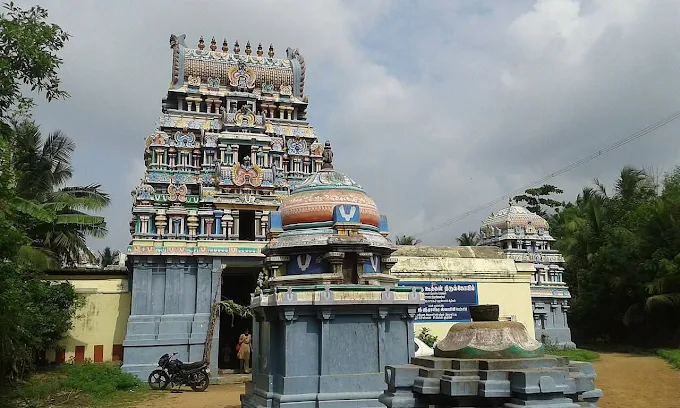
Thirukkannangudi Sri Loganatha Perumal Temple is one of the 108 Divya Desams venerated in the Sri Vaishnava tradition, celebrated through 10 pasurams sung by the eighth-century Azhwar saint Thirumangai Azhwar in his Periya Thirumozhi. The temple is renowned as one of the 'Pancha Krishna Kshetrams' (along with Thirukannapuram, Thirukkannamangai, Thirukabisthalam, and Thirukoilur), and is also considered an integral site among the Pancha Narayana Kshetrams of the region, where Lord Vishnu is venerated in the form of Damodara Narayanan. According to sacred lore, the moolavar (presiding deity) stands facing east with Abhaya Hastham as Loganatha Perumal ('Shyama Maamedi En Thalaivan', referring to his dark cloud-like complexion) alongside Sridevi and Bhoodevi, with figures representing Brahma, Gautama, Bhrigu, and Uparicharavasu. The utsava murti is Damodara Narayanan, depicting the Lord tied by devotion.
The sthalam is famously associated with five divine wonders ('Aascharyangal') immortalized in traditional lore: 'Kaya Magizha Maram' (the sthala vriksham, a sacred bullet-wood tree believed never to wither, beneath which young Krishna was tied by rishis); 'Urangapuli' (a tamarind tree whose foliage remained watchful); 'Oora Kinaru' (a freshwater well said to have miraculously appeared to quench Thirumangai Azhwar's thirst); 'Thola Vazhakku' (an allusion to Thirumangai Azhwar successfully winning his legal dispute without loss); and the sacred temple tank 'Shravana Theertham'. It also stands as an astrological parihara kshetram for devotees born under the Anusham (Anuradha) nakshatra.
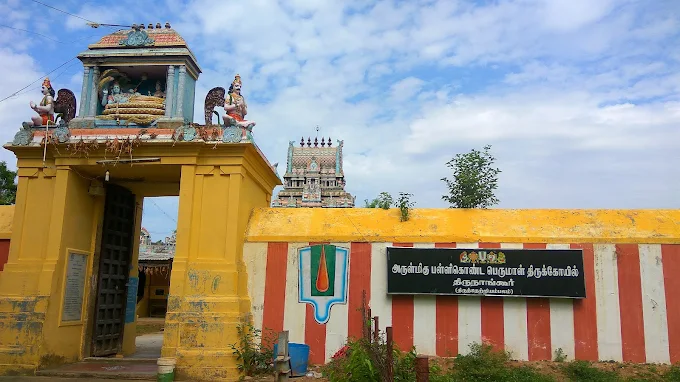
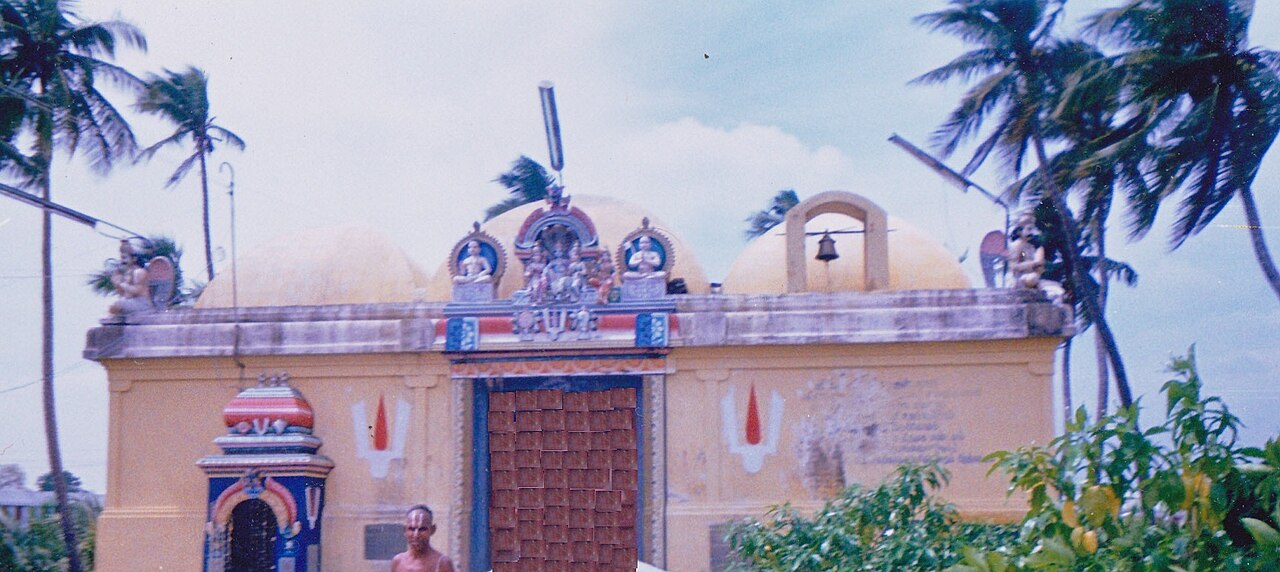
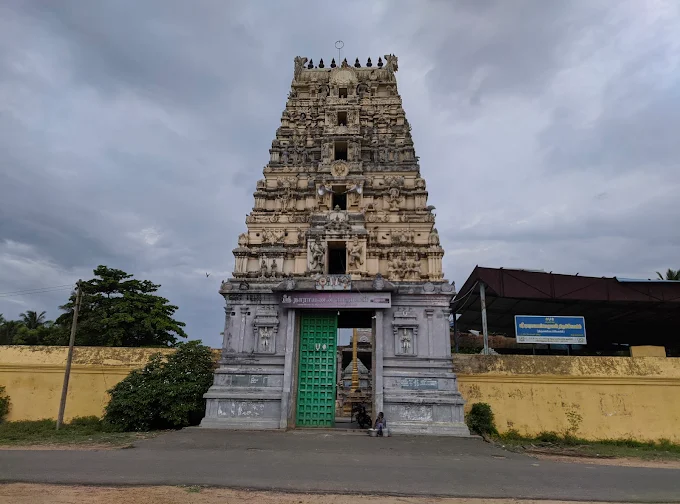
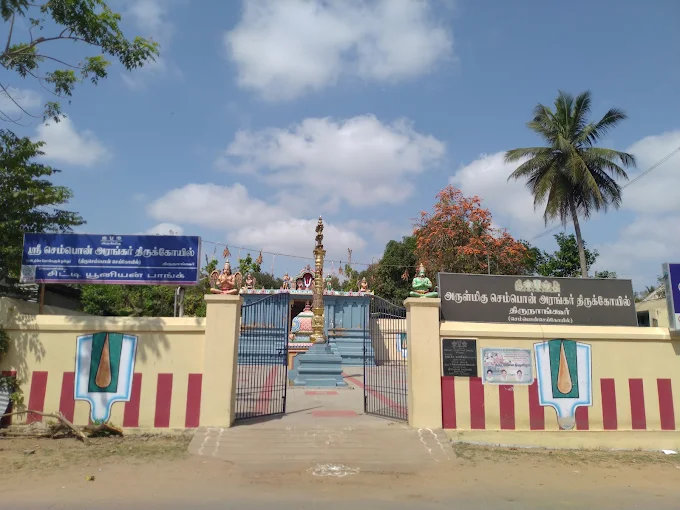
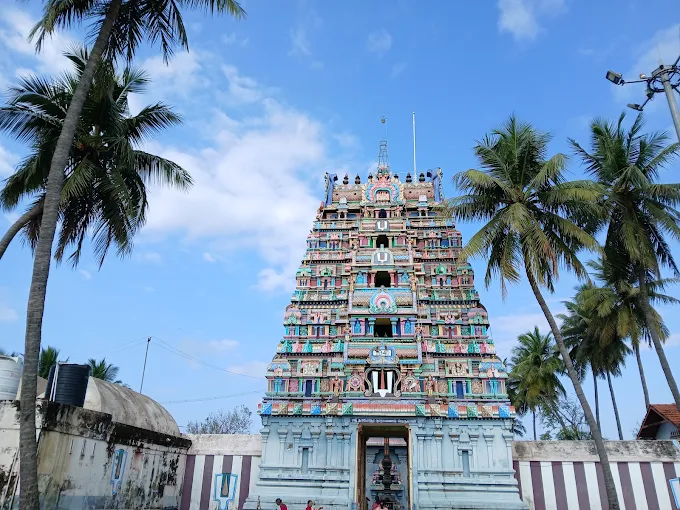
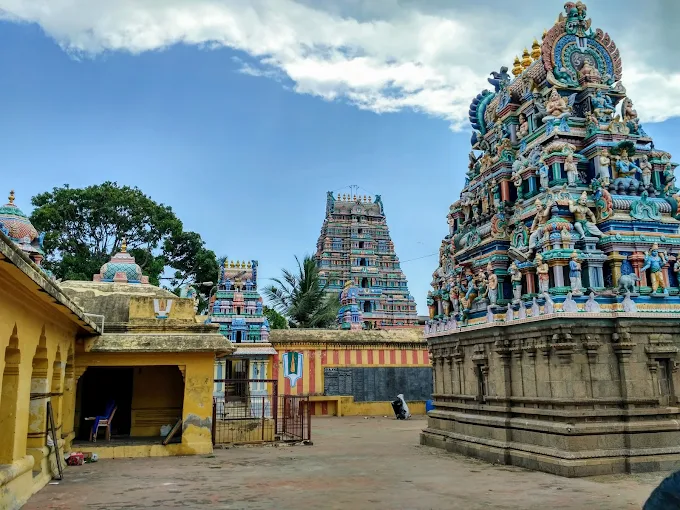
Historical analysis indicates that the stone structure of Thirukkannangudi Loganatha Perumal Temple was predominantly developed during the Medieval Chola era around the 9th to 11th centuries CE, with structural expansions, mandapams, and outer perimeter enclosures supported in subsequent centuries by the Vijayanagara Empire and the Nayak rulers. Built adhering to traditional Dravidian temple architecture, the complex features a five-tiered Rajagopuram facing east, granite prTimeline prakaram walls, an ornate sanctum tower designated as the Utpalavataga Vimanam, and subsidiary shrines for Sri Loganayagi Thayar, Vijaya Anjaneyar, Ramanuja, and the Azhwars.
Traditional and religious history recounts that Sage Vashistha molded an idol of Lord Krishna out of fresh butter and worshipped it with intense devotion. Due to his pure tapas, the butter never melted. Testing his devotee, Lord Krishna assumed the form of an innocent cowherd child, devoured the butter idol, and ran toward a Magizha tree. Meditating sages in the forest bound the divine child to the tree with their ropes of pure love, earning Him the name 'Damodara Narayanan' and bestowing the sacred site the name 'Thirukkannankudi' ('the residence where Kannan stayed'). Another historical tradition links the site to Thirumangai Azhwar, who passed through this hamlet while securing funds to construct the ramparts of Sri Ranganathaswamy Temple in Srirangam. The temple is presently protected and administered by the Hindu Religious and Charitable Endowments (HR&CE) Department of the Government of Tamil Nadu.
According to traditional temple belief, couples praying to Lord Damodara Narayanan and making offerings of sweet milk porridge (paal payasam) are believed to be blessed with virtuous children, recalling the divine child form of Lord Krishna.
Devotees traditionally consider this shrine as a sacred parihara kshetram for individuals born under the Anusham (Anuradha) birth star, offering special worship for planetary peace and progress.
Associated with the legend of 'Thola Vazhakku' where Thirumangai Azhwar was vindicated, devotees with prolonged litigation, disputes, or ethical struggles pray here seeking righteous resolution and victory.
According to traditional lore, taking a holy dip in or sprinkling water from the sacred Shravana Theertham pushkarini washes away past karmas and leads toward spiritual liberation (Moksha).
The grand annual ten-day Brahmotsavam festival celebrated during the Tamil month of Panguni (March-April), featuring celestial vehicle processions of Utsavar Damodara Narayanan and chariot festival.
An annual festival in the Tamil month of Masi where the Utsavar proceeds towards the Nagapattinam sea coast for the sacred ritual sea bath (Theerthavari), joined by regional community devotees.
Special Margazhi festival observing the ceremonial opening of the Paramapada Vaasal (Northern Gateway of Heaven) with special Divya Prabandham chanting and thirumanjanam.
A traditional devotional offering of milk pudding (paal payasam) prepared for Lord Loganatha Perumal by devotees seeking the blessing of progeny.
No festivals available.

📍 2.77 km away

📍 3.82 km away
📍 4.88 km away
📍 8.47 km away

📍 8.70 km away

📍 10.58 km away
Stays near Thirukkannangudi Loganatha Perumal Temple

📍 Near Kurinji Andavar Temple · 255.2 km
stayStarting from ₹2,000 / night
Discover more temples you may be interested in
You may also like these temples