☰
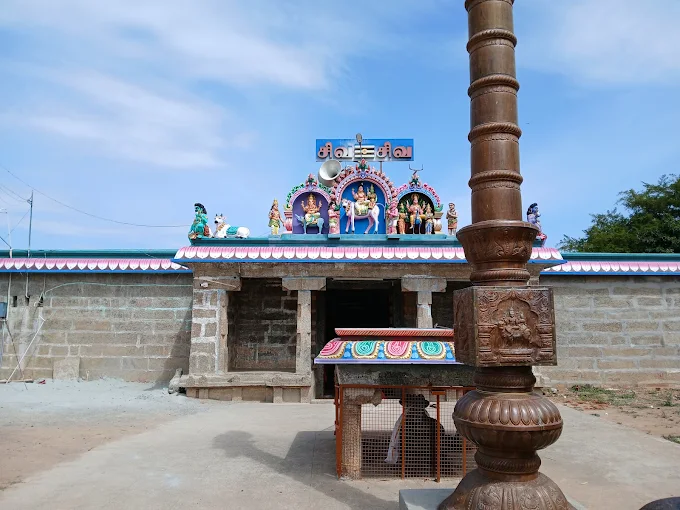
🛕 Lord Shiva | 📍 Neivanai, Kallakurichi, Tamil Nadu
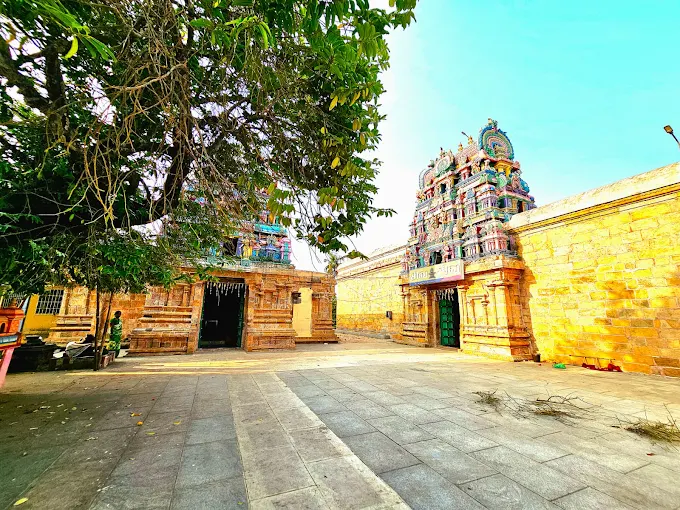
Sri Swarnakadeswarar Temple at Neivanai is one of the important ancient Shiva temples of Tamil Nadu and belongs to the sacred group of Thevaram Paadal Petra Sthalams. The temple is traditionally identified with the ancient place-name Nelvennai / Thirunelvennai, and it is counted as the 10th Shiva Sthalam of Nadu Naadu in traditional Shaiva pilgrimage listings. The presiding deity is Lord Shiva worshipped as Swarnakadeswarar, while another traditional name of the Lord is Vennaiappar or Nelvennai Nathar. The Goddess is worshipped as Neelamalarkanni, also known as Brihannayaki.
The temple's foremost importance comes from its association with Tirugnanasambandar, one of the principal Tamil Shaiva Nayanmars. Sambandar praised the Lord of Nelvennai in his Thevaram hymns, making this village shrine part of the sacred literary geography of Tamil Shaivism. The temple therefore has significance not only as a place of worship but also as a living monument to the early medieval Tamil Bhakti movement.
One of the most distinctive features of the temple is the Swayambhu Shiva Lingam. Traditional temple accounts describe the Lingam as self-manifested. The deity is also associated with the name Porkudam Koduthu Aruliya Nayanar, meaning the Lord who bestowed a golden pot. This name is connected with the temple's principal Sthala Purana, in which Shiva is believed to have helped the people of the region during a devastating flood and subsequently blessed them with gold. This is a religious tradition and should be presented separately from independently documented history.
Another remarkable feature is the Rudraksha Pandal above the sanctum. Temple sources describe approximately 7,500 large Rudraksha beads forming this distinctive sacred canopy over the deity. This feature gives the temple an unusual visual and devotional identity among the Shiva temples of Nadu Naadu.
The temple is also known for a rare solar phenomenon associated with Maha Shivaratri. Traditional accounts state that early-morning sunlight falls upon the feet of the Shiva Lingam, after which the Lingam is said to appear in different colours, traditionally described as blue, green, white and red. This is a temple tradition connected with the annual solar alignment and should be described as a reported religious/architectural phenomenon rather than a supernatural scientific claim.
The temple complex contains several important subsidiary shrines and images. These include shrines for the four major Shaiva saints Tirugnanasambandar, Appar, Sundarar and Manikkavasagar, along with Murugan with Valli and Deivanai, Lakshmi Narayana, Kasi Viswanatha with Visalakshi, Dakshinamurthy, Lingodbhava, Durga, Brahma and Chandikeswara. The presence of these shrines makes the temple valuable for understanding the wider ritual and iconographic traditions of Tamil Shaivism.
The temple's Sthala Vriksham is the Punnai tree, while the sacred water source is traditionally identified as the temple well. The temple is associated with prayers for wisdom, prosperity and relief from sins according to local devotional tradition.
Major observances include Maha Shivaratri, Tirukarthikai and Arudra Darshan. For devotees following the Thevaram pilgrimage route, Neivanai is particularly valuable because of its connection with Sambandar and the ancient Nelvennai sacred tradition.
The sacred history of Neivanai Swarnakadeswarar Temple is closely connected with the ancient place-name Nelvennai and the Tamil Shaiva devotional tradition. The temple is regarded as one of the Paadal Petra Sthalams and is traditionally associated with the hymn of Tirugnanasambandar. Local traditions identify the Lord as Swarnakadeswarar, Vennaiappar and Porkudam Koduthu Aruliya Nayanar, reflecting different layers of the temple's sacred history.
According to Sthala Purana tradition, the surrounding region was once extremely fertile, with abundant paddy cultivation. Prosperity caused the inhabitants to become less attentive to worship. A severe period of rain and flooding then threatened the settlement. Shiva is said to have appeared in the form of a young man and instructed the villagers to collect their paddy sacks and construct a protective embankment. After the danger passed, the mysterious youth gave the people pots of gold to compensate for their losses and then revealed his divine identity. Because the Lord was associated with the golden pot, he came to be worshipped as Swarnakadeswarar. The traditional explanation also connects the name Nelvennai/Neivanai with the paddy embankment. This is a sacred legend rather than independently verified historical evidence.
The temple's connection with Tirugnanasambandar is one of its most important historical and literary features. Sambandar's Thevaram hymn preserves the sacred identity of Nelvennai within the Tamil Bhakti tradition. Temple traditions further say that when Sambandar was travelling and reached the area at night, Goddess Neelamalarkanni guided him towards the temple. The place associated with the traditional call of the Goddess is remembered locally as Ethalavadi.
The temple is traditionally described as an ancient shrine, with some temple-reference sources assigning an antiquity of approximately 1,000–2,000 years. Such broad age claims should be treated cautiously unless supported by specific archaeological dating. More useful for a historical database are the temple's literary connection with Sambandar, its architectural remains and the inscriptional evidence associated with the shrine.
The temple contains several architectural and iconographic features typical of Tamil Shaiva temples. The complex includes the sanctum of Swarnakadeswarar, a separate shrine for Neelamalarkanni/Brihannayaki and a number of subsidiary shrines. Images of the four major Shaiva saints—Sambandar, Appar, Sundarar and Manikkavasagar—are present. Other important images include Murugan with Valli and Deivanai, Lakshmi Narayana, Kasi Viswanatha with Visalakshi, Dakshinamurthy, Lingodbhava, Durga, Brahma and Chandikeswara.
An important inscriptional record associated with the temple records a Kumbabhishekam on 26 May 2010, providing a modern documentary marker in the temple's continuing history. The present temple should therefore be understood as a living shrine whose religious identity is ancient but whose physical structures and maintenance have undergone periodic renovation.
The temple's unusual Rudraksha Pandal is another important feature. Temple sources describe thousands of Rudraksha beads forming the sacred canopy above the Shiva shrine. Along with the Swayambhu Lingam, this gives the temple a distinctive ritual and visual character.
The annual festival calendar includes Maha Shivaratri, Tirukarthikai and Arudra Darshan. Maha Shivaratri is particularly associated with the temple's traditional solar-light phenomenon, in which early-morning sunlight is said to reach the feet of the Lingam.
Thus, the history of Swarnakadeswarar Temple can be understood through three connected layers: the ancient sacred identity of Nelvennai, the Thevaram heritage of Tirugnanasambandar, and the continuing architectural and ritual life of the temple at Neivanai.
No daily poojas available.
No special rituals available currently.
No festivals available.
📍 17.35 km away
📍 22.49 km away
📍 48.25 km away
📍 53.60 km away
📍 64.42 km away

📍 72.37 km away
Stays near Sri Swarnakadeswarar Temple, Neivanai

📍 Near Kurinji Andavar Temple · 256.0 km
stayStarting from ₹2,000 / night
Discover more temples you may be interested in
You may also like these temples