☰
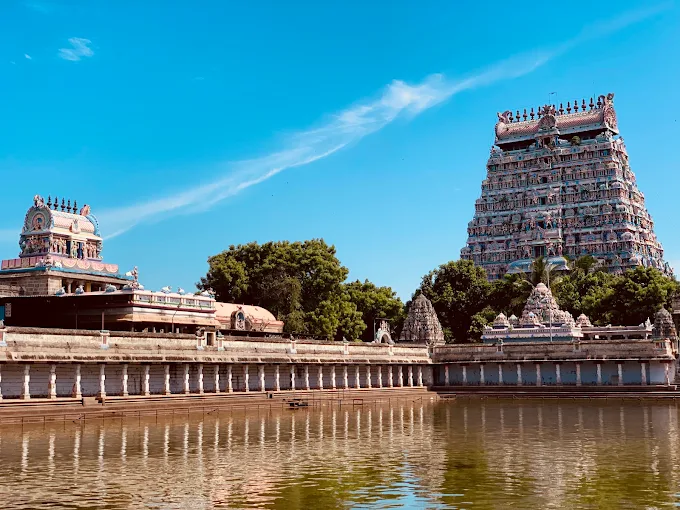
🛕 Lord Shiva | 📍 Chidambaram, Cuddalore, Tamil Nadu
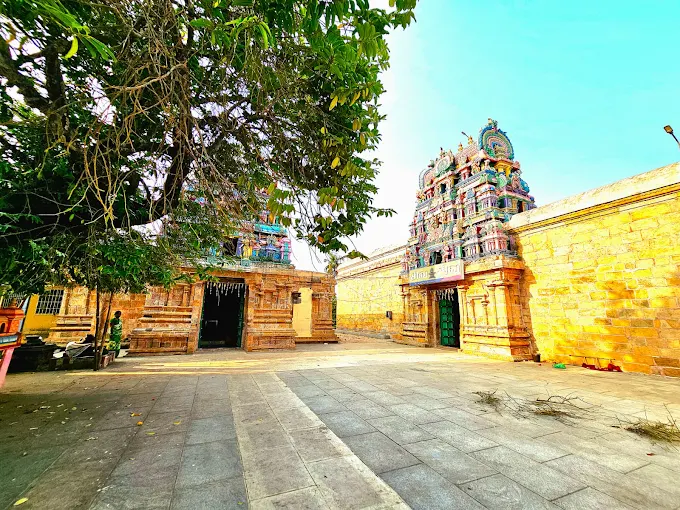
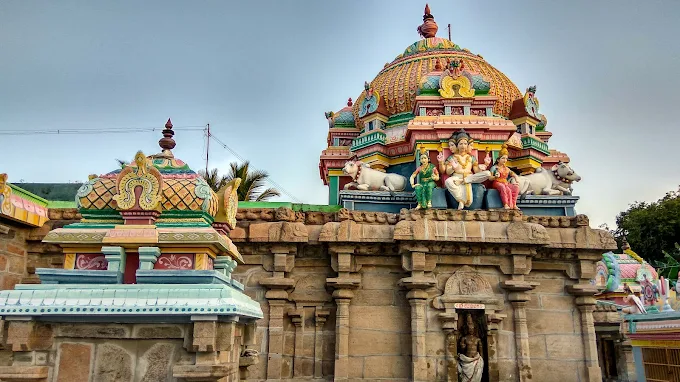
Thillai Nataraja Temple at Chidambaram is one of the most revered and spiritually profound Shaivite shrines in Hinduism. It serves as the primary Akasha Sthalam (ether or cosmic space) among the Pancha Bhoota Sthalams—the five sacred shrines representing the fundamental elements of nature. Unlike the vast majority of Shiva temples where the deity is consecrated in an aniconic Lingam, the presiding deity here is revered as Nataraja, the Cosmic Dancer, performing the eternal Ananda Tandava (Dance of Bliss) in the Chit Sabha. This divine dance embodies the Pancha Krityas (five cosmic functions): Srishti (creation), Sthiti (preservation), Samhara (dissolution), Tirobhava (illusion), and Anugraha (liberation).
A paramount doctrine of the temple is the worship of Shiva in three forms: Rupa (manifest form as the bronze idol of Nataraja), Arupa-Rupa (manifest-formless as the Chandramouleeswara Spatika Lingam and the Ratnasabhapathi ruby deity), and Arupa (completely formless as the Chidambara Rahasyam). The Chidambara Rahasyam is located behind a curtain to the right of Nataraja, where no idol resides; when drawn, it reveals an empty space adorned with a garland of golden Vilva leaves, representing the all-pervading, formless supreme consciousness (Chidakasha). The sanctum roof of the Chit Sabha is plated with 21,600 golden tiles, symbolizing the total number of breaths an average human takes in a day, fastened by 72,000 golden nails representing the human body's nadis (energy channels).
Chidambaram is also unique for harmonizing Shaivite and Vaishnavite traditions; the Govindaraja Perumal shrine (one of the 108 Divya Desams) is located right within the central courtyard, allowing devotees to view Nataraja and Govindaraja from a single vantage point. The temple is managed by the Thillai Dikshitars, an exclusive hereditary community of Vedic priests who follow Vedic ritual procedures handed down according to Patanjali's sutras rather than the standard Shaiva Agamas.
Traditional Religious Beliefs:
According to sacred temple sthala puranas (such as the Chidambaram Mahatmyam), sages Vyaghrapada (the sage with tiger paws) and Patanjali (an incarnation of Adisesha) performed intense austerities in the Thillai mangrove forest to witness Lord Shiva's divine cosmic dance. Pleased by their penance, Shiva promised to manifest His Ananda Tandava in the Thillai assembly on Thai Poosam day. Tradition also states that the legendary King Sveta Varman of Gauda Desha came on pilgrimage, bathed in the temple's Shivaganga holy tank, and was cured of skin ailments; he subsequently took the name Hiranyavarman ('golden-bodied') and gilded the sanctum roof with gold. The hereditary Dikshitar priests (the 'Tillai Moovayiravar' or three thousand) are traditionally believed to have accompanied Patanjali from Mount Kailash.
Recorded Inscriptional and Archival History:
Literary evidence from the Sangam and early post-Sangam eras associates the site of Thillai with spiritual pre-eminence. The Shaivite Nayanmars—Appar, Tirugnanasambandar, Sundarar, and Manikkavacakar (7th to 9th centuries CE)—composed deeply revered hymns (Thevaram and Thiruvasagam) celebrating the temple, while Manikkavacakar composed the Tiruvacakam and Tirukkovaiyar here.
Epigraphical evidence demonstrates that the temple received extensive imperial patronage from successive South Indian dynasties:
1. Chola Dynasty (10th–13th Centuries): Chola emperors revered Nataraja as their 'Kula Nayakam' (family deity). King Parantaka I (907–955 CE) famously gilded the Chit Sabha with gold procured through his victories, earning the title 'Pon Veintha Cholan'. Rajaraja I and his mentor Nambiyandar Nambi recovered the lost Shaivite Thevaram palm-leaf manuscripts preserved in the Chidambaram temple corridors. Later Cholas, including Kulothunga I, Vikrama Chola, and Kulothunga II, carried out major structural expansions, erected perimeter walls, and constructed gopurams.
2. Pandya Dynasty (13th Century): King Jatavarman Sundara Pandya I (c. 1251 CE) lavishly endowed the temple, gilded the Kanaka Sabha and gopurams with gold, and built several gateways.
3. Vijayanagara Empire & Nayakas: The Vijayanagara rulers made substantial additions. Emperor Krishnadevaraya renovated and completed the magnificent North Gopuram around 1516 CE after his Udayagiri campaign. The Nayakas of Gingee and Thanjavur subsequently patronized the shrines and restored the temple following periods of political turbulence and military conflicts in the 17th and 18th centuries.
Devotees traditionally believe that contemplating the formless space of Chidambara Rahasyam dispels ignorance and worldly illusions, leading to spiritual wisdom and ultimate liberation (Moksha).
According to sacred lore, having darshan of the cosmic Ananda Tandava of Lord Nataraja purifies the devotee's mind and mitigates past karmic burdens.
Because Lord Nataraja is the primordial master of dance and rhythm, dancers, musicians, and artists traditional pray here to receive divine grace, creative mastery, and artistic excellence.
Based on the traditional miracle of King Hiranyavarman whose skin affliction was cured, pilgrims bathe in the sacred Shivaganga tank and offer prayers for good health and recovery from chronic ailments.
A traditional daily devotional seva where devotees sponsor milk, curd, honey, panchamritam, and sacred ash for the anointment of the Chandramouleeswara crystal lingam during one of the six kaalams.
Special archana and viewing conducted daily during the 10:00 AM Irandaam Kaalam ritual, where the priest holds a lit flame behind the translucent ruby murti to reveal its divine effulgence.
Devotional offering and special archana performed during the drawing aside of the sacred golden-leaf curtain in the Chit Sabha, honoring the formless Akasha aspect of Lord Shiva.
According to tradition, Lord Nataraja is bathed only six times a year (including on Marghazhi Arudra Darshanam and Aani Thirumanjanam); devotees can sponsor sacred ingredients for these monumental public ceremonial abhishekams.
Aani Thirumanjanam is the second major 10-day Brahmotsavam observed annually at Chidambaram, held during the Tamil month of Aani. The festival features ceremonial flag hoisting, da...
According to temple ritual tradition, while daily poojas are performed six times a day, the principal icon of Lord Nataraja receives full ritual bathing (Maha Abhishekam) only six...
The Margazhi Brahmotsavam is the most significant annual festival celebrated at the Chidambaram Nataraja Temple. Observed across 10 to 11 days during the Tamil month of Margazhi, t...
The Natyanjali Festival is a prominent annual classical dance festival staged during Maha Shivaratri in Chidambaram, organized by the Chidambaram Natyanjali Trust with institutiona...

📍 9.11 km away

📍 10.35 km away
📍 18.10 km away
📍 18.21 km away

📍 18.54 km away

📍 18.96 km away
Stays near Chidambaram Nataraja Temple

📍 Near Kurinji Andavar Temple · 273.1 km
stayStarting from ₹2,000 / night
Discover more temples you may be interested in
You may also like these temples