☰
🛕 Lord Vishnu | 📍 Sirkazhi, Mayiladuthurai, Tamil Nadu
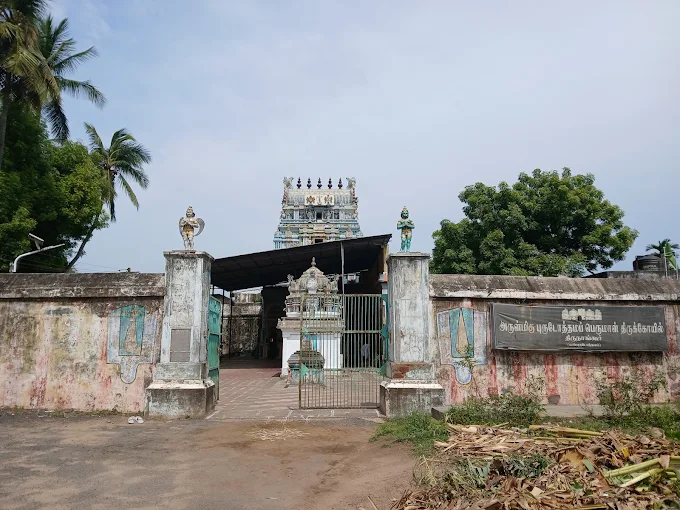
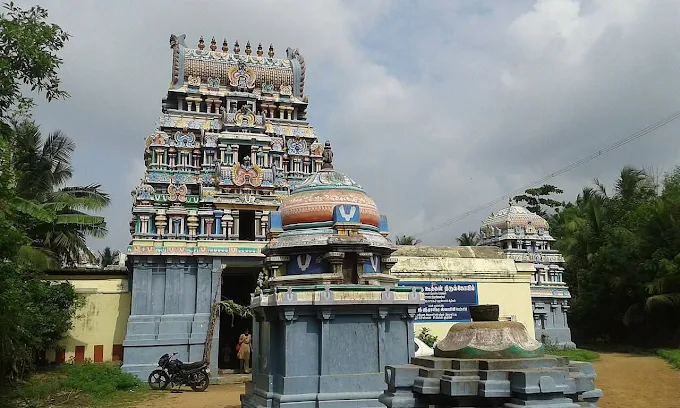
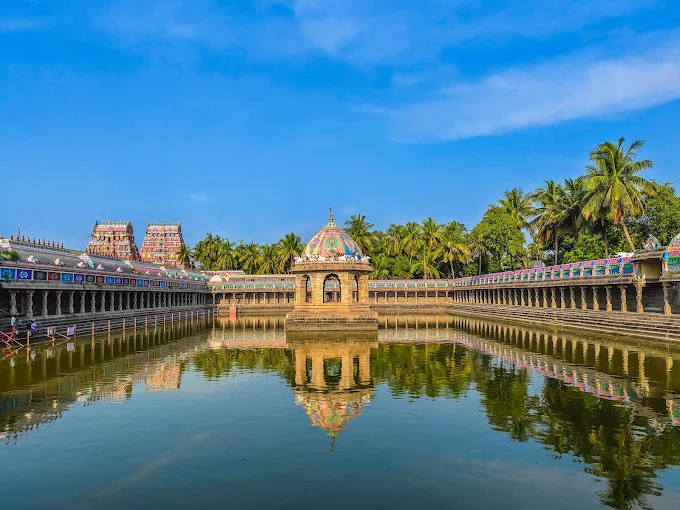
Kazheesirama Vinnagaram, popularly known as Thadalan Kovil or Sri Trivikrama Narayana Perumal Temple, is one of the 108 Divya Desams—the sacred Vaishnavite shrines glorified by the Alvar poet-saints. Located in the ancient town of Sirkazhi in Tamil Nadu's Mayiladuthurai district, this temple holds a unique theological place as one of the very few Divya Desams where Lord Vishnu is enshrined in His cosmic Trivikrama posture (the 'Ulagalantha' form). The presiding deity, Lord Trivikrama Narayana, stands facing east with His left leg majestically raised upwards at a ninety-degree angle toward the celestial realm (Satya Loka), measuring the heavens, while His right foot is placed firmly on the earth. His right hand is outstretched in a posture receiving charity (dhanam) from King Mahabali, and a finger on His left hand asks where the promised third measure of land should be placed.
The temple is also venerated as one of the five 'Vinnagarams' (celestial abodes) sung specifically by Thirumangai Alvar, who dedicated a set of ten exquisite verses (pasurams) in his Periya Thirumozhi to the Lord of this sthalam. The processional deity (utsava murti) is lovingly revered as 'Thadalan' or 'Man Alantha Thadalan'—a term derived from the Tamil root words 'Thal' (earth/world) and 'Aalan' (sovereign ruler/possessor), meaning the supreme ruler who measured and possessed the entire earth. Sri Andal also celebrates the Lord by this loving name. Uniquely, the processional deity is also commemorated as 'Thavittu Panai Thadalan' in memory of an ancient devotee who protected the murti inside a pot filled with paddy husk during a period of turmoil.
Beside the main sanctum, Mother Mahalakshmi is worshipped as Lokanayagi Thayar and Mattavizhum Kuzhali Thayar ('the Divine Mother whose tresses shed fresh blossoms'). The temple's vimana is known as the Pushkalavartha Vimanam, and the sacred temple tanks are the Sanga Pushkarani and Chakra Theertham. Geographically and culturally, the temple is an intrinsic part of the legendary Chola Nadu pilgrimage circuit, standing within close proximity to both the historic Saivite Brahmapureeswarar (Sattainathar) Temple and the sacred Thirunangur cluster of 11 Divya Desams.
Historical Inscriptions and Architecture:
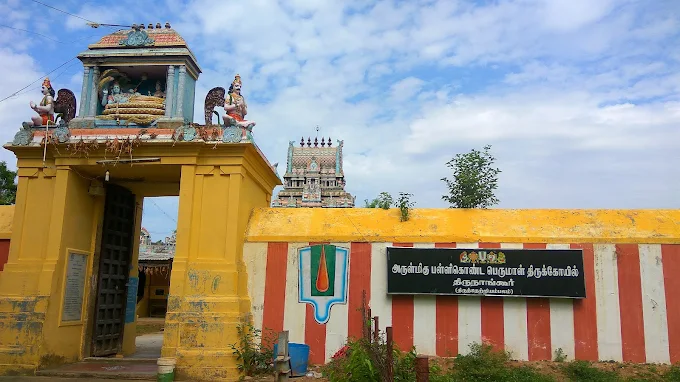
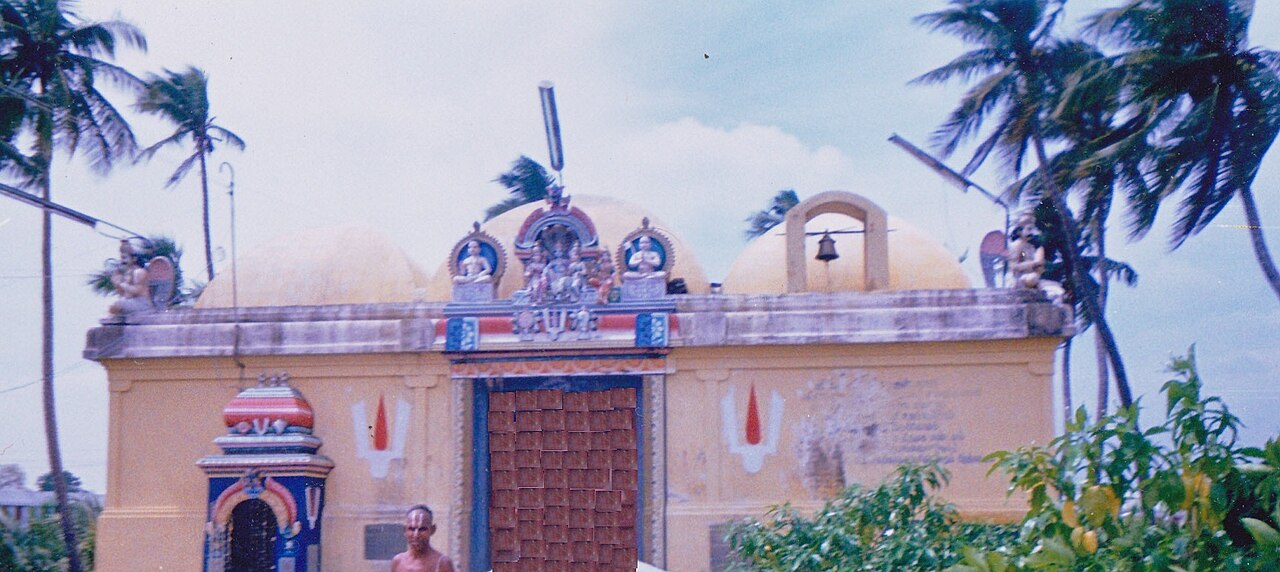
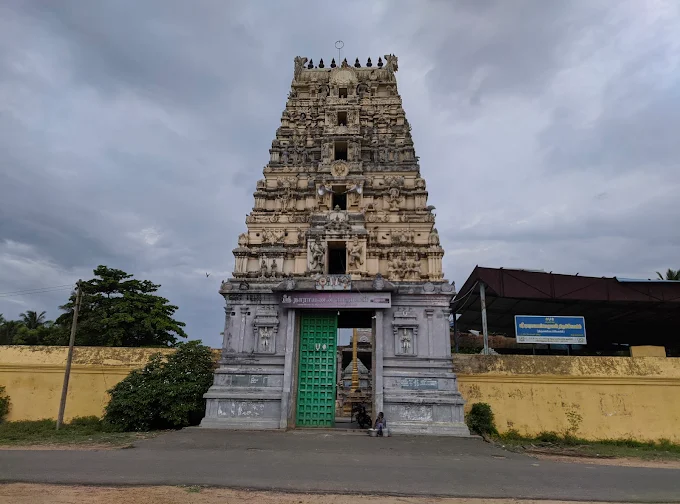
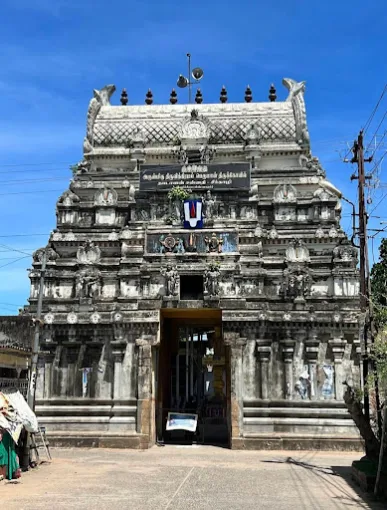
From an epigraphical and architectural standpoint, Kazheesirama Vinnagaram reflects significant medieval Chola craftsmanship with subsequent layers of renovation during the Vijayanagara Empire and Thanjavur Nayak periods. The core stone sanctum sanctorum (garbhagriha), the ardhamandapa, and the pillared halls exhibit architectural markers characteristic of 10th- to 12th-century CE Chola patronage. Epigraphical records identified in the precinct document royal and local endowments consisting of cultivable agricultural lands, gifts of milch cows and sheep for burning perpetual ghee lamps (nandha-vilakku), and provisions for conducting daily worship according to traditional Agama rites. The temple compound is enclosed by thick granite boundary walls, pierced by an imposing three-tiered Rajagopuram at the eastern entrance. The temple is currently administered under the Hindu Religious and Charitable Endowments (HR&CE) Department of the Government of Tamil Nadu.
Traditional Legends and Devotional History:
1. Sage Romasa and Brahma's Longevity: According to traditional Sthala Purana texts (drawing from the Brahmanda Purana where the site is called Patalika Vanam and Uttama Kshetram), Brahma once developed pride regarding his exceedingly long lifespan that spanned multiple yugas. To humble his vanity, Sage Romasa—whose body was covered in thick ascetic hair—performed rigorous penance at this grove towards Lord Vishnu. Pleased by his devotion, Narayana manifested as Trivikrama and granted Romasa a boon that with the shedding of every single strand of hair from the sage's body, Brahma's lifespan would be reduced by one year. This revelation reminded Brahma of the impermanence of cosmic status compared to the supreme eternity of the Lord.
2. The Thavittu Panai (Husk Pot) Preservation: Devotional tradition recounts that during a turbulent historical era when the temple fell into disrepair and faced hostile incursions, an elderly devout Vaishnava woman safeguarded the bronze processional deity by hiding Him inside a large earthenware pot filled with paddy bran (thavittu panai). She performed secret daily worship for years. Subsequently, Lord Narayana appeared in a dream to Thirumangai Alvar, directing him to retrieve the sacred icon from the elderly devotee. The Alvar recovered the murti and reverently restored the shrine, earning the deity the affectionate title 'Thavittu Panai Thadalan'.
3. The Meeting with Saint Thirugnanasambandar: Sirkazhi is also the birthplace of the child Saivite saint-poet Thirugnanasambandar. Traditional chronicles of the Alvars (Guru Paramparai) state that when Thirumangai Alvar visited Sirkazhi with his musical retinue singing hymns in praise of Vishnu, Sambandar's followers engaged him in a friendly theological debate. Sambandar asked the Alvar to compose a verse on the spot beginning with the word 'Kural' (meaning dwarf / also referring to the Thirukkural meter). Thirumangai Alvar spontaneously composed the opening stanza of his famous decad: 'Oru kuralaai iru nilam moovadi mann vendi...', portraying how the cosmic Lord appeared as a dwarf (Vamana) to measure all the worlds. Deeply moved and admiring the Alvar's supreme poetic mastery and spiritual insight, Sambandar bestowed upon Thirumangai Alvar his own sacred spear (vel) and an anklet. A bronze icon of Thirumangai Alvar bearing this spear is enshrined inside the temple to this day.
Because Lord Trivikrama placed His sacred foot upon the earth to sanctify all land, devotees traditionally believe that praying here and placing a small sample of earth from their plots before the deity remedies Vastu flaws and blesses new property construction.
Commemorating the quelling of King Mahabali's pride and Lord Brahma's vanity regarding lifespan, traditional belief holds that sincere worship here instills humility, inner peace, and relief from arrogance.
Based on the legend of Sage Romasa obtaining prolonged longevity through Lord Trivikrama's boon, devotees traditionally offer prayers here for enduring good health, vitality, and protection from untimely ailments.
Devotional tradition reveres Lokanayagi Thayar and Lord Thadalan as granters of family continuity; childless couples routinely offer special thirumanjanam and archana seeking the blessing of healthy children.
The cosmic upward-stepping stance of Trivikrama is traditionally venerated as symbolic of elevation and rapid progress, leading devotees to pray here for career milestones, job promotions, and successful endeavors.
A unique traditional offering wherein devotees bring earth or layout documents from their plots to be placed at the holy feet of Lord Thadalan for sanctification and relief from Vastu obstacles.
Ceremonial holy bath (abhisheka) performed for the bronze processional deity Thadalan and Consorts with milk, curd, honey, panchamritam, and fragrant herbal waters on auspicious tithis and Swati nakshatra.
Chanting of the thousand divine names of Lord Vishnu while offering fresh sacred basil (thulasi) garlands to the elevated sanctum deity.
The flagship annual festival held in the Tamil month of Vaikasi (May–June), where Utsava Murti Thadalan is mounted on the golden Garuda Vahana and taken out in grand street procession.
Celebrated in the Tamil month of Margazhi (December–January), during which the sacred Paramapada Vasal doorway is opened and the concealed right foot of Trivikrama Perumal is traditionally unveiled for public veneration.
No festivals available.

📍 0.56 km away

📍 0.90 km away
📍 3.42 km away
📍 5.31 km away

📍 6.87 km away

📍 7.00 km away
Stays near Kazheesirama Vinnagaram Trivikrama Perumal Temple

📍 Near Kurinji Andavar Temple · 269.1 km
stayStarting from ₹2,000 / night
Discover more temples you may be interested in
You may also like these temples