☰
🛕 Lord Vishnu | 📍 Thirukoodalur, Thanjavur, Tamil Nadu
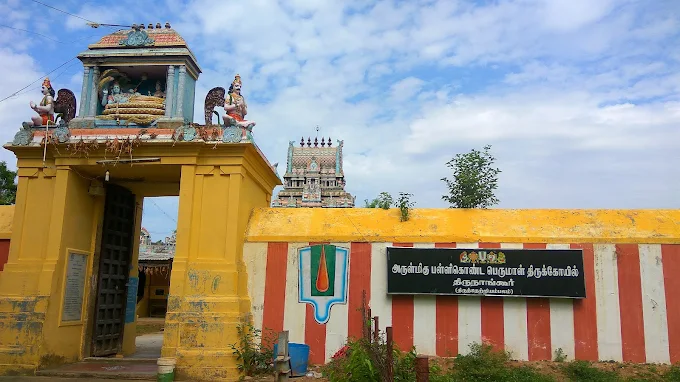
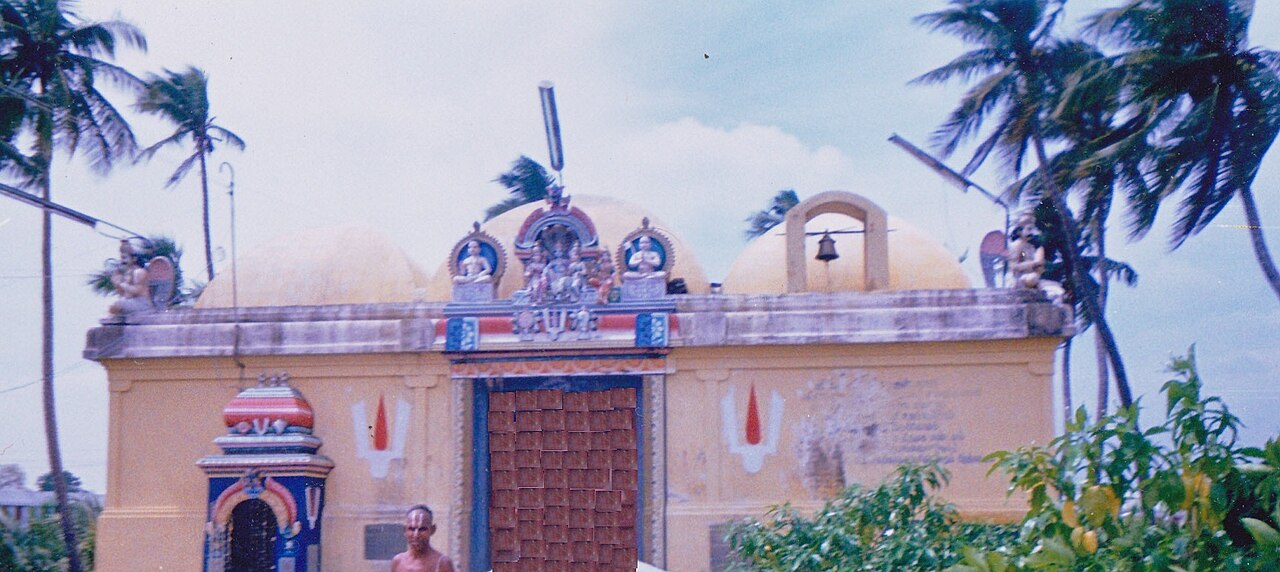
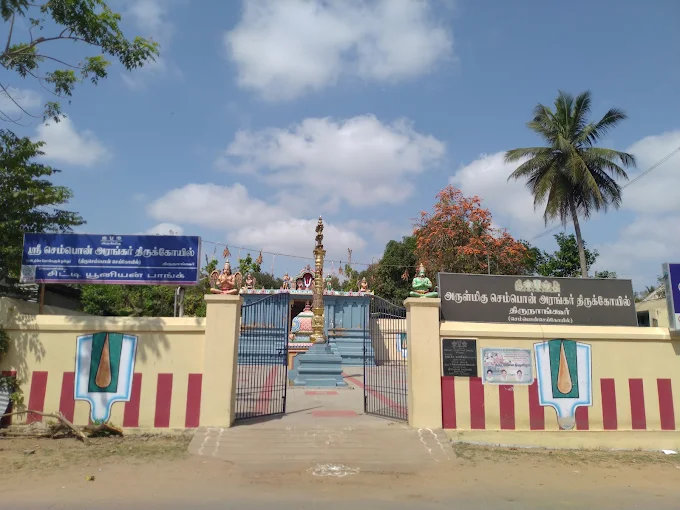
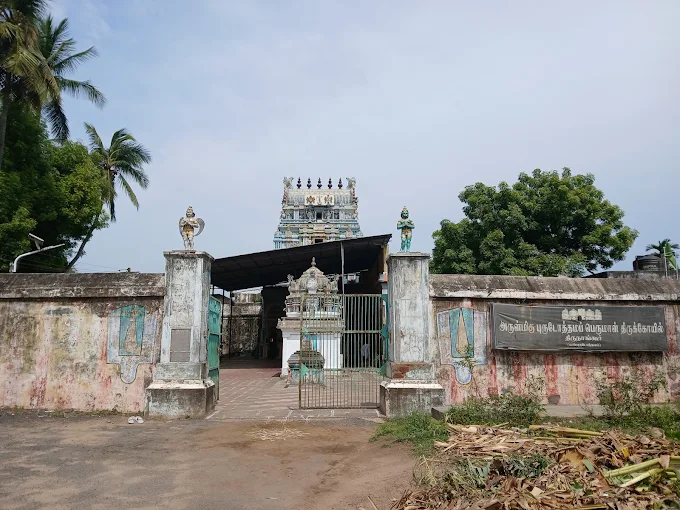
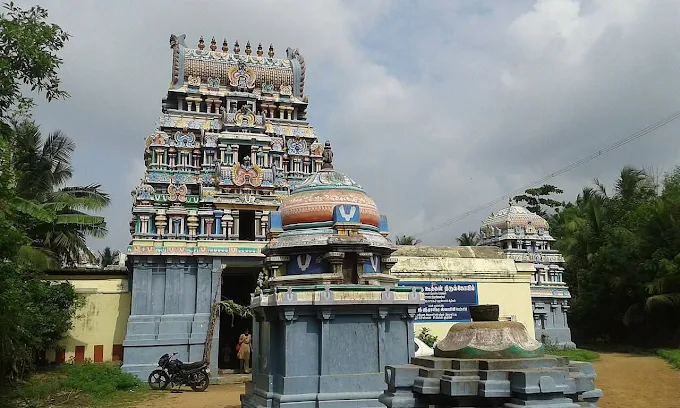
Thirukoodalur Jagatrakshaka Perumal Temple (also reverently known as Sri Vaiyam Katha Perumal Temple or Aaduthurai Perumal Koil) is one of the 108 Divya Desams, the sacred abodes of Lord Vishnu sanctified by the Tamil Vaishnavite poet-saints, the Azhwars. It is numbered among the ancient shrines of Chola Nadu. The presiding deity is worshipped as Sri Jagatrakshakan ('Vaiyam Katha Perumal' in Tamil, translating to 'The Lord who protected the universe') and is seen in a majestic standing posture (Nindra Thirukkolam) facing east beneath the Suddha Satwa Vimanam. His divine consort is Goddess Lakshmi, venerated locally as Padmasani Thayar or Pushpavalli Thayar.
According to Vaishnava theology and sthala purana, this kshetram is hailed as 'Sangama Kshetram' or 'Thirukoodalur' because devas, sages, and celestial beings assembled (koodal) here to offer collective prayers to Lord Maha Vishnu. Religious tradition holds that when the demon Hiranyaksha plunged the Earth (Bhooma Devi) into the cosmic depths of Patala Loka, Lord Vishnu heeded the prayers of the gathered celestials, split open the netherworld, vanquished the demon, and redeemed the Earth, later emerging as the Varaha avatar at Srimushnam. Azhwar saint Thirumangai Azhwar was enchanted by this divine protection and celebrated the deity with ten sacred pasurams in the Nalayira Divya Prabandham, calling the town 'Pugunthan Oor' (the holy place the Lord entered).
Another sacred legend connects the temple to King Ambarisha, an ardent Vishnu devotee. When the irascible Sage Durvasa was about to curse the pious king for observing the holy Dvadasi fast, Lord Vishnu dispatched His Sudarshana Chakra to safeguard the monarch. The processional bronze deity (Utsavar) is notably depicted in a posture ready to release His discus in defense of surrendered devotees. In astrological and religious belief, this temple is also venerated as a remedy center for Ketu dosha. A revered botanical marvel on the temple grounds is an ancient sacred jackfruit tree (Sthala Vriksham), whose trunk naturally formed a relief shaped distinctly like a divine conch (Shankhu).
The historical origins of Thirukoodalur Jagatrakshaka Perumal Temple reflect layers of medieval and early modern South Indian patronage, distinct from its sacred legends. Epigraphical and architectural evidence indicates that the earliest stone temple structure dates back to the Medieval Chola era, around the 8th to 10th century CE. The site was clearly an active religious settlement during the early medieval period, evidenced by its glorification in the 8th–9th century canon by the Vaishnavite poet Thirumangai Azhwar. The region around the fertile Kaveri and Kollidam river deltas flourished as a core religious heartland of the Cholas.
In subsequent centuries, the structural complex was maintained and augmented under the regimes of the Later Pandyas, the Vijayanagara Empire, and the Thanjavur and Madurai Nayaks. Local historic chronicles document that an earlier temple structure situated close to the banks of the Kaveri and Kollidam rivers suffered severe damage during massive historical floods, which submerged sections of the old shrine.
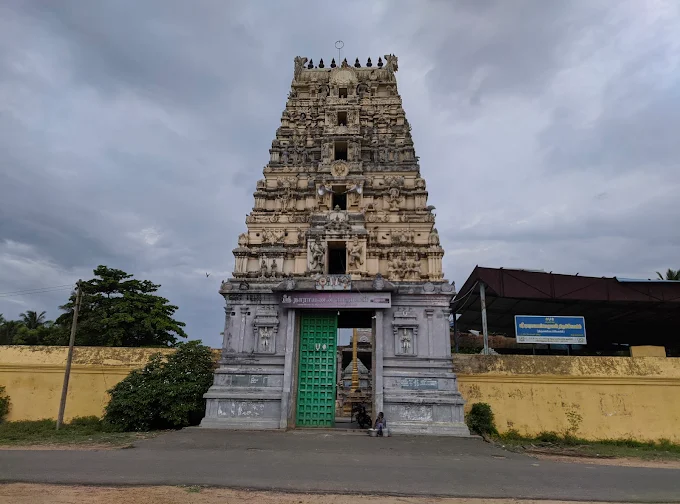
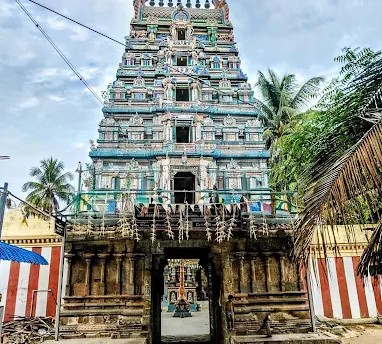
The present physical temple complex, featuring a five-tiered Rajagopuram, stone mandapams, and perimeter walls, owes its comprehensive reconstruction to Rani Mangammal (1689–1704 CE), the famed Queen Regent of the Madurai Nayak dynasty. In deep devotion, Rani Mangammal rebuilt the sanctuary at this elevated ground, recovered and consecrated the ancient idols, and endowed the historic temple car named 'Ambarisha Ratha'. A bas-relief portrait carving depicting Queen Mangammal can still be seen on one of the stone pillars within the temple precincts.
Architecturally, the temple embodies typical Dravidian layout patterns, including a granite sanctum sanctorum, an ardha-mandapa, maha-mandapa, and separate sub-shrines for Andal, the Azhwars, and Acharya Sri Ramanuja. In 2003 and subsequent years, community trusts and the Hindu Religious and Charitable Endowments (HR&CE) Department undertook major restoration and consecration (Samprokshanam) work to revive this sacred Divya Desam.
Devotees traditionally worship Lord Jagatrakshakan believing that just as He deployed His Sudarshana Chakra to protect King Ambarisha and rescued the Earth from cosmic darkness, He acts as an eternal guardian shielding devotees from dire life problems.
According to traditional astrological lore, Thirukoodalur is revered as a dedicated remedial site for afflictions related to shadow planet Ketu; offering thulasi garlands and worship here is believed to mitigate adverse planetary effects.
It is customary for devotees seeking matrimonial success and harmony in married life to offer rock sugar candy (kalkandu) and freshly churned butter as neivedhyam to Lord Perumal and Goddess Padmasani Thayar.
Religious legend holds that River Cauvery regained her sanctity and purity by praying to the Lord at this spot; taking a holy bath in the Chakra Theertham is traditionally believed to absolve accumulated sins and purify the mind.
Devotional tradition holds that propitiating Pushpavalli Thayar, especially during Pournami or special festivals, blesses families with enduring prosperity, auspiciousness, and freedom from financial distress.
A sacred Vedic fire sacrifice performed on Full Moon (Pournami) days offering 108 lotus leaves and blooms to Goddess Padmasani Thayar for family prosperity.
Special neivedhyam ritual of country butter and sugar candy offered to the Lord seeking marital accord, prosperity, and peace of mind.
Ceremonial holy bathing of the processional deities with panchamritam, milk, curd, honey, and sanctified water on auspicious Ekadasi and asterism days.
Chanting of the thousand sacred names of Lord Vishnu with thulasi leaves for protection and fulfillment of righteous vows.
No festivals available.

📍 0.70 km away

📍 2.82 km away

📍 4.92 km away
📍 6.36 km away

📍 7.30 km away

📍 8.53 km away
Stays near Thirukoodalur Jagatrakshaka Perumal Temple

📍 Near Kurinji Andavar Temple · 202.2 km
stayStarting from ₹2,000 / night
Discover more temples you may be interested in
You may also like these temples