☰
🛕 Lord Vishnu | 📍 Thirukkannapuram, Nagapattinam, Tamil Nadu
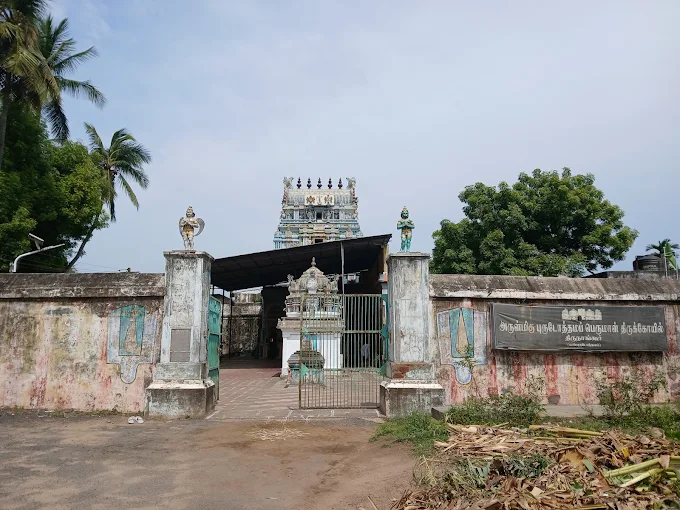
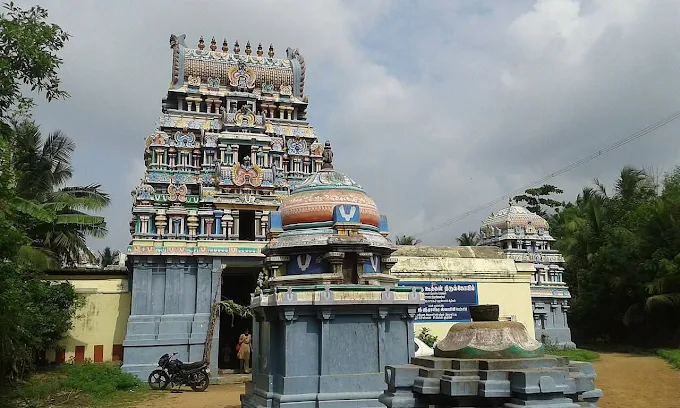
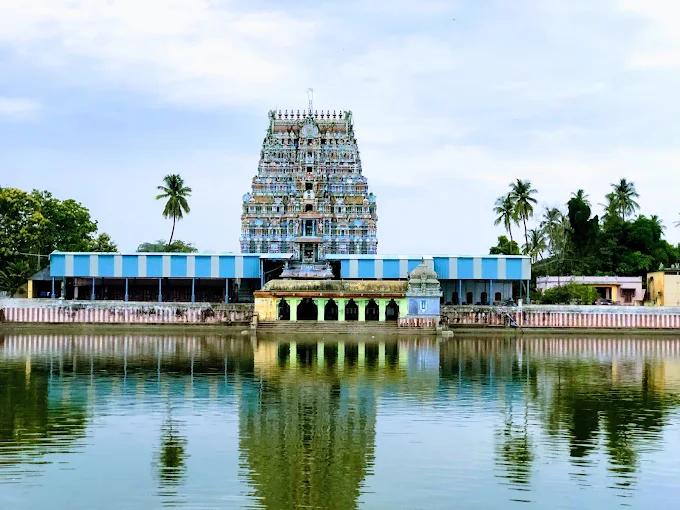
Thirukkannapuram Sowriraja Perumal Temple (also venerated as the Neelamegha Perumal Temple) is the 33rd of the 108 Divya Desams praised in the Nalayira Divya Prabandham by early medieval Alvar saints. Located near Nannilam in the Cauvery delta region of Tamil Nadu, it is revered as the foremost among the five 'Pancha Krishna Kshetras' (along with Thirukannangudi, Thirukkannamangai, Thirukapisthalam, and Thirukoilur). In Sri Vaishnava theology, Thirukkannapuram is honored as 'Keezhaiveedu' (the eastern home of the Supreme Lord), considered spiritually equivalent to Srirangam ('Melai Veedu') and Thirumala-Tirupati. The shrine holds monumental canonical reverence, having been sung by five Alvars—Thirumangai Alvar, Nammalvar, Kulasekhara Alvar, Periyalvar, and Andal—totaling 128 pasurams, with Thirumangai Alvar dedicating more than a century of verses praising the beauty and grace of this kshetra.
The presiding deity in the sanctum sanctorum is Lord Neelamegha Perumal, standing in a majestic pose facing east, flanked by Sridevi and Bhoodevi. Uniquely, the Lord holds the Prayoga Chakra (discus poised for defense and protection) and displays a welcoming Varada mudra symbolizing the universal path of Saranagati (absolute surrender). Tradition holds that this temple represents the Ashtakshara Mahamantra ('Om Namo Narayanaya'), and worshipping here is believed to grant the fruits of absolute salvation, prompting the belief that Thirukkannapuram is a 'Bhooloka Vaikundam' with no separate opening of the Sorgavasal during Vaikunta Ekadasi. The processional deity, Lord Sowriraja Perumal, holds unmatched renown due to the legendary lock of tresses ('Sowri') that manifested on His crown to preserve the word of His humble priest, Rangabhatta. The temple is also famed for granting darshan of the Lord's royal gait ('Nadai Azhagu') to Vibhishana on New Moon days and for the sacred night-time offering known as 'Muniyodharan Pongal'.
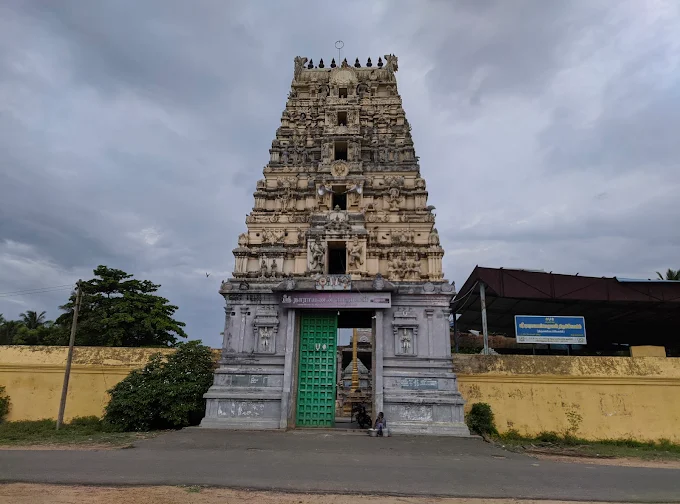
The recorded architectural history of Thirukkannapuram reveals that the temple transitioned from an early brick-and-mortar structure to an expansive stone temple during the reign of the Medieval Cholas, with continuous endowments added by later Pandya kings, the Vijayanagara Empire, and the Thanjavur Nayaks. Epigraphical records on the granite basement and mandapa pillars document royal land donations, perpetual oil lamps, provisions for feeding pilgrims, and maintenance funds for the massive seven-tiered Rajagopuram, temple mandapams, and the outer stone praharams. In medieval literature and inscriptions, the area was known as Kannapuram, part of the fertile Chola territory on the banks of Cauvery distributaries, maintained under royal patronage.
Alongside historical accounts, rich Sthala Puranas from Sanskrit and Vaishnava traditions illuminate the sacred lore of Thirukkannapuram:
1. The Legend of the Sowri (Sacred Tress): The title 'Sowrirajan' arose from a devotional event involving the temple priest, Rangabhatta. The priest had presented a garland meant for the Lord to a devout visitor. When the local king unexpectedly visited the sanctum, the priest retrieved the garland and placed it on the idol before offering it to the king. Discovering a strand of human hair in the garland, the enraged king demanded an explanation. The trembling priest, in total surrender to the deity, declared that the strand was from the Lord's own head. The king declared he would return next morning to verify this. Deeply agonized, Rangabhatta prayed for divine intervention. When the king unfastened the Lord's crown the next morning, he witnessed a natural lock of dark hair (sowri) miraculously growing from the deity's head. When pulled, it even bled, demonstrating the deity's living presence and saving His sincere devotee.
2. Muniyodharan Pongal: A local chieftain named Muniyodharaiyar was a staunch Vishnu devotee who would not eat without offering bhog to the Lord. After being delayed on royal business, he arrived late at night to find the temple gates locked. Grieved, he placed his offering of hot ghee-cooked pongal before the closed temple doors and prayed with tears. Miraculously, temple bells rang from within, and the following morning, the sanctum was filled with sweet aroma, and ghee marks were visible on the lips of the deity. Since then, the 'Muniyodharan Pongal' has remained the permanent midnight offering.
3. Vibhishana's Darshan of the Lord's Gait: Having witnessed Lord Ranganatha in Sayana (reclining) posture at Srirangam, Vibhishana yearned to witness the Lord's majestic walking posture ('Nadai Azhagu'). Directed to Thirukkannapuram, the Lord granted him this walking darshan on a new moon day, commemorated even today during every Amavasya.
Devotees traditionally worship the ancient stone Navagraha panel installed under the main Rajagopuram (traditionally believed to have been established by Indra). Performing archana under Lord Rama and Sita's benevolent gaze is believed to relieve planetary afflictions.
Devotees pray to Mother Thirukannapura Nayagi (Padmavathi Thayar) and Sowriraja Perumal by offering vastrams and archana malas, seeking smooth matrimonial alliances and the boon of progeny.
Because the Lord holds the Prayoga Chakra and miraculously saved His devotee from royal punishment, believers surrender here seeking divine shelter from legal crises, unwarranted accusations, and acute distress.
As Thirukkannapuram is revered as 'Bhooloka Vaikundam' and the embodiment of the Ashtakshara Mahamantra, devout pilgrims believe that circumambulating the sanctum washes away karmic sins and grants liberation.
Due to the sacred legend of the 'Sowri', devotees troubled by hair-related ailments or seeking recovery from chronic health conditions offer special prayers and make vows (sowri-mudi offering) for physical rejuvenation.
A celebrated nightly ritual where rich, aromatic pongal prepared with ample pure ghee is consecrated during the Ardhajama pooja in commemoration of chieftain Muniyodharaiyar's devotion.
A monthly special ceremony performed on every New Moon day (Amavasya) at noon, wherein Lord Sowrirajan is carried out in procession to present His majestic walking posture (Nadai Azhagu) to Vibhishana.
Special archana and parihara worship performed at the unique stone-carved Navagraha panel situated under the Rajagopuram for mitigating planetary adversities.
An annual festival ritual on the 7th day of the Vaikasi Brahmotsavam where Lord Sowriraja Perumal is adorned and worshipped sequentially as Lord Vishnu by day, Lord Brahma at night, and Lord Shiva next morning.
The annual seaside holy bath procession during Masi Magam, where Lord Sowrirajan journeys on Garuda Vahanam to the coastal waters of Thirumalairayanpattinam near Karaikal for sacred immersion.
No festivals available.
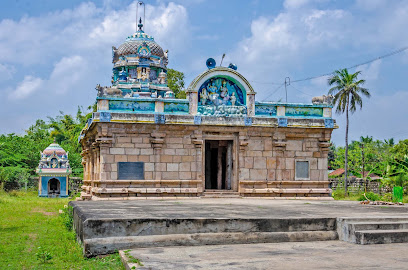
📍 0.23 km away

📍 1.83 km away

📍 1.88 km away

📍 2.00 km away

📍 4.16 km away

📍 4.62 km away
Stays near Thirukkannapuram Sowriraja Perumal Temple

📍 Near Kurinji Andavar Temple · 252.0 km
stayStarting from ₹2,000 / night
Discover more temples you may be interested in
You may also like these temples